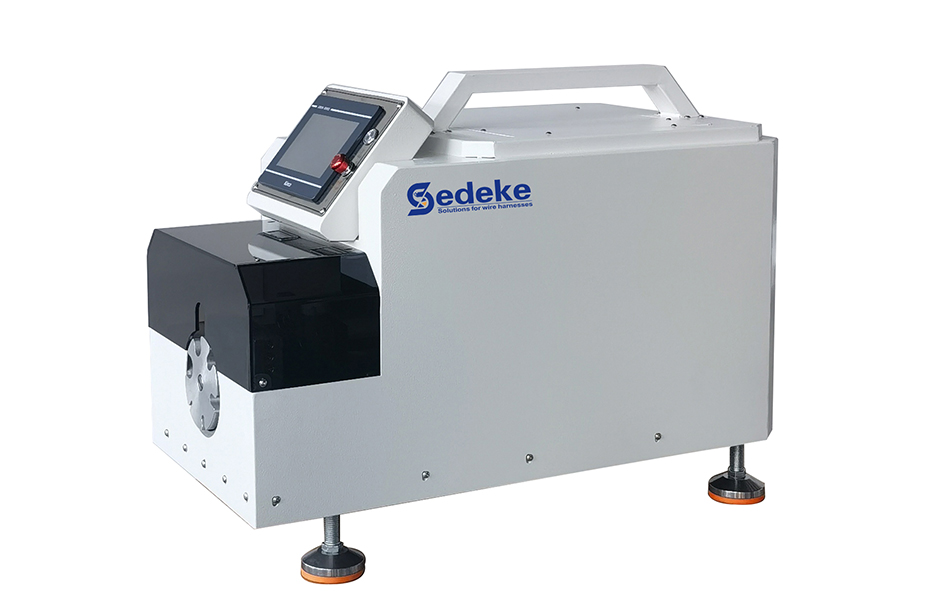


Wire Stripping Machine
Whether you’re working with delicate 0.05 mm² discrete wires or large 50 mm diameter cables, Sedeke offers a wide range of wire stripping machines to meet your needs. Our solutions include pneumatic, electric, multifunctional, rotary, and coaxial stripping options, supporting wire harness and cable processing plants around the world.
•Stripping precision down to 0.01 mm diameter setting accuracy
•Full range coverage: from 0.05 mm² fine wires to ø50 mm large cables
•Dedicated solutions for coaxial, multi-core and braided shield cables
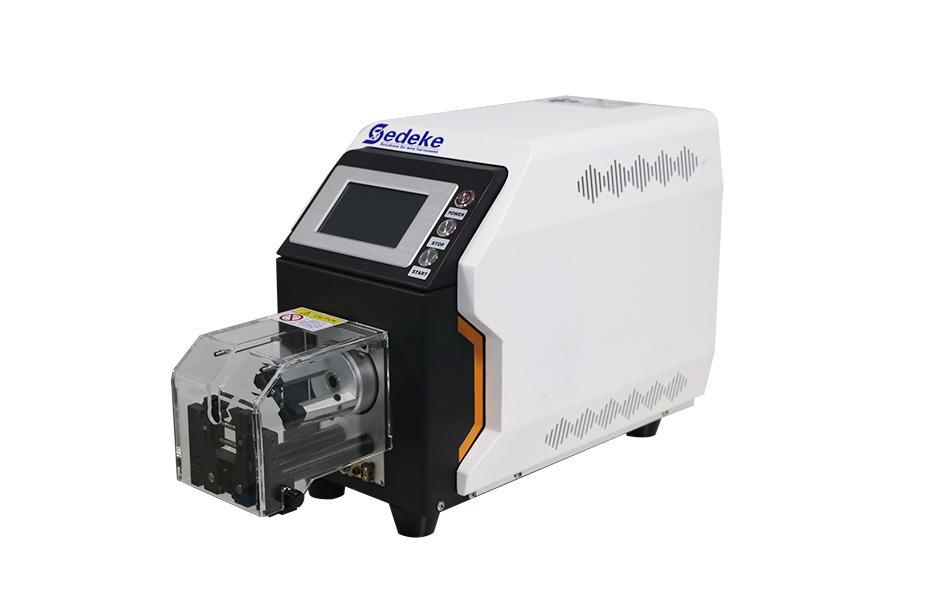
Sedeke wire strippers are widely used in wire harness production, cable assembly, electronics manufacturing, and industrial cable preprocessing. Whether you’re working with fine wires, multi-core cables, coaxial cables, or thicker power cables, we can help you select the right machine based on wire diameter, cable structure, stripping length, and subsequent assembly requirements.
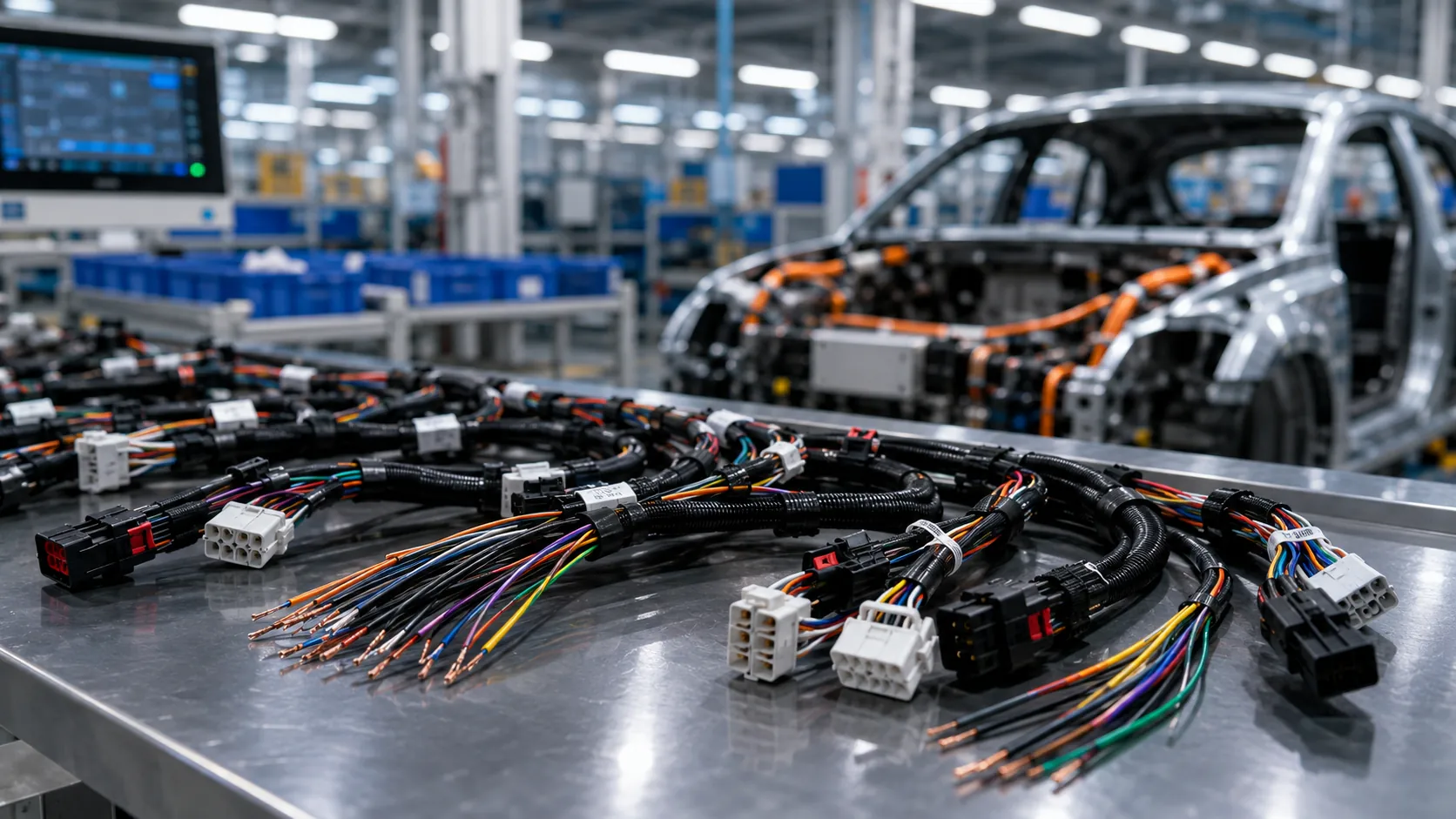
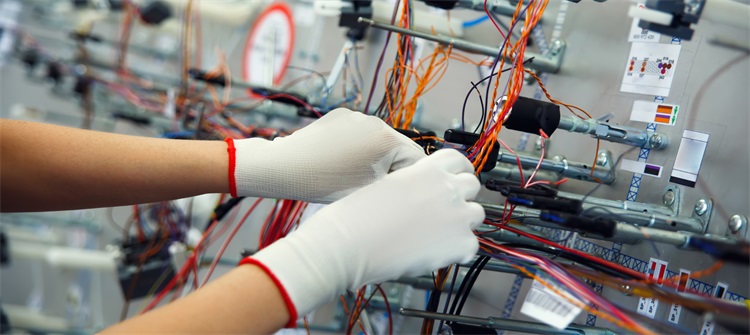
Before crimping or assembling automotive wiring harnesses, it is essential to ensure that the harnesses are of uniform length, with cleanly stripped ends and high precision. Sedeke’s automatic stripping machine meets the processing needs for small-gauge and high-volume wiring harnesses.
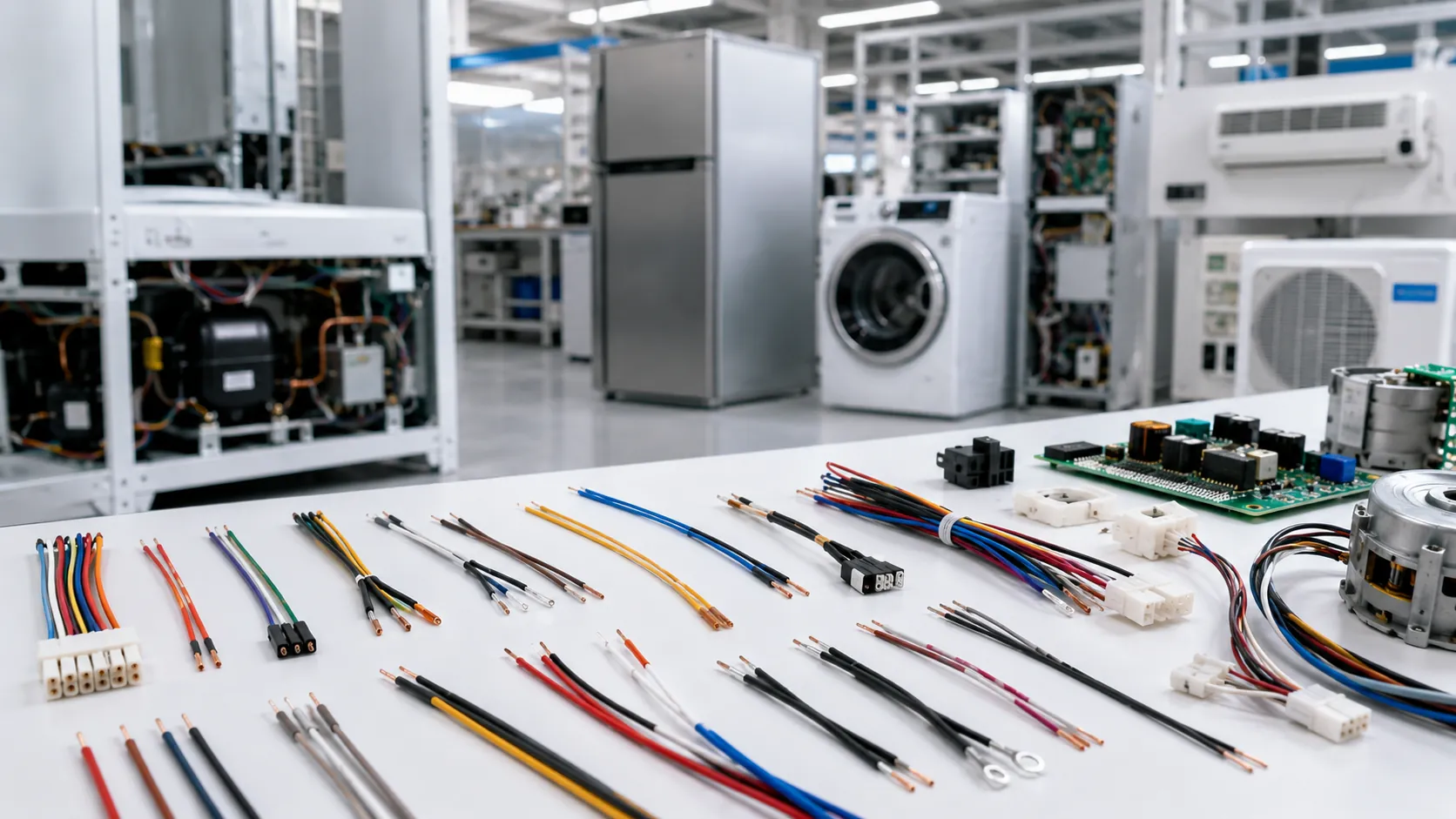
In the manufacturing of electronics and home appliances, fine wires are commonly used for sensors, switches, motors, and internal wiring on circuit boards. These applications require short stripping lengths and thorough removal of the insulation to ensure complete protection of the wire harness during crimping. This helps prevent short circuits and fires in electrical appliances.
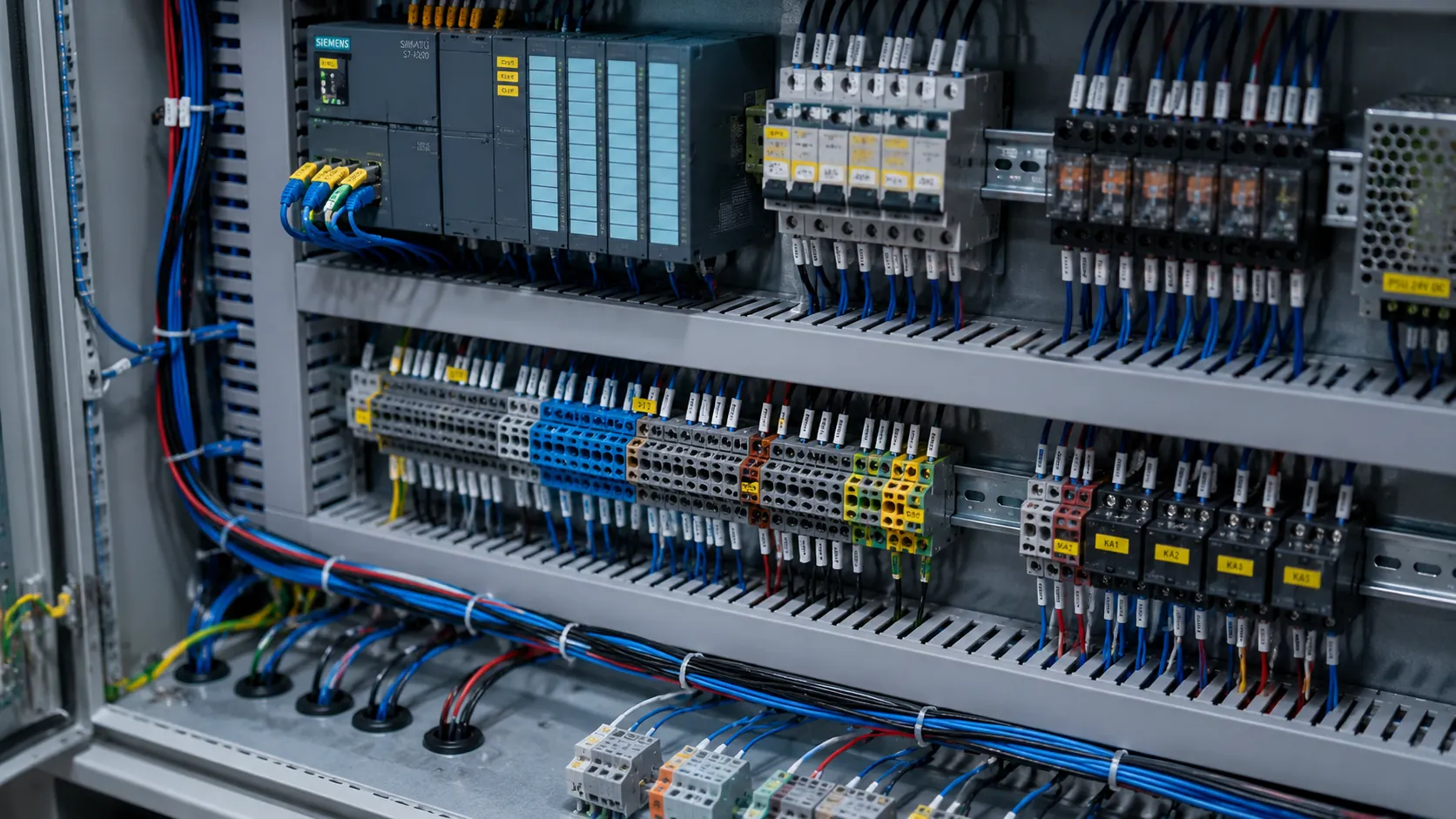
Wiring for industrial automation and control cabinets typically involves a variety of wire gauges, terminal blocks, PLC modules, relays, sensors, and field devices. A consistent wire-stripping process helps operators switch between different wiring tasks and facilitates the crimping of tubular terminals and cabinet assembly.
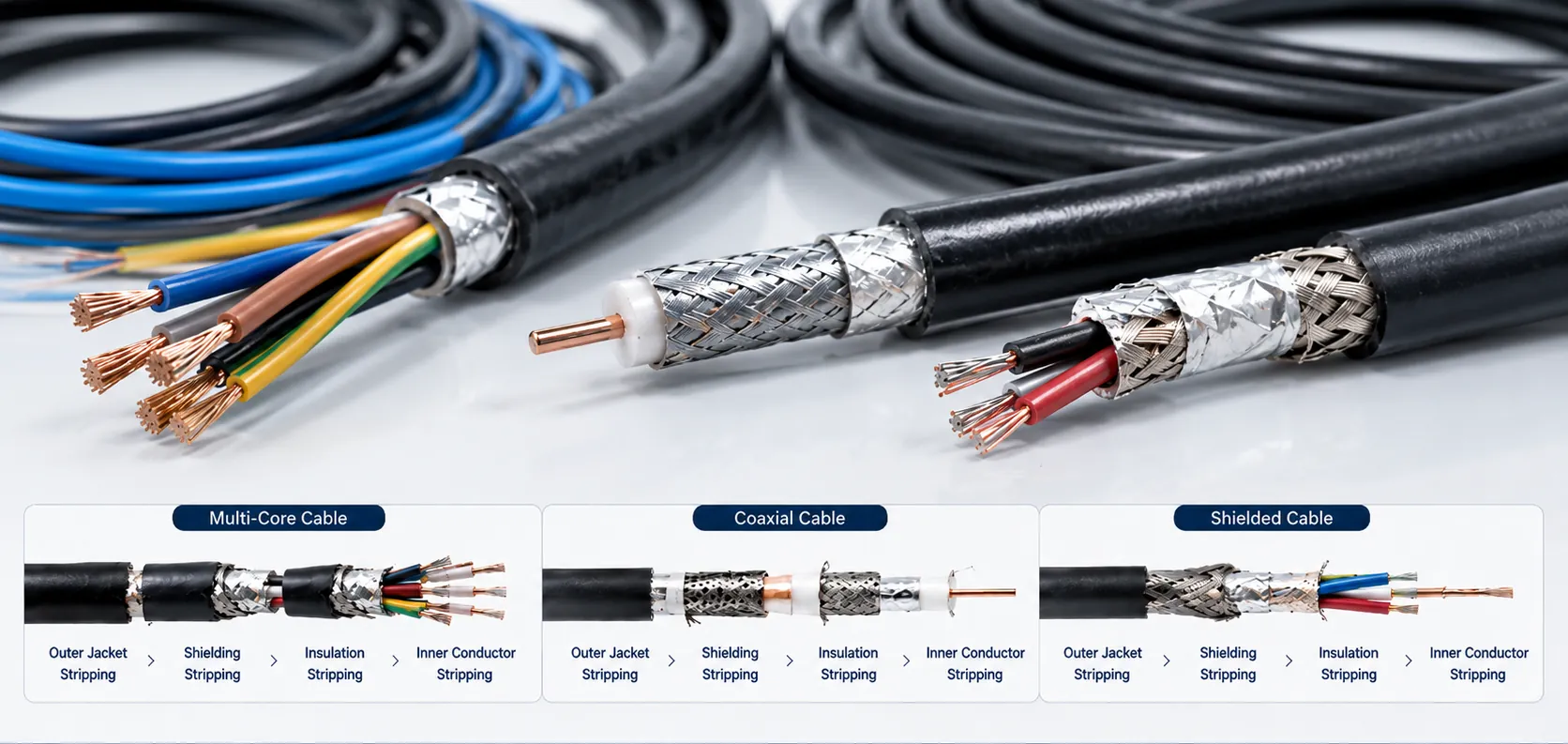
Multi-core cables, coaxial cables, and shielded cables require more precise stripping control because the outer jacket, insulation, shielding, and inner conductors must be stripped in layers. High-precision layered stripping effectively protects the cable structure to ensure stable signal transmission.
Share your wire diameter, cable structure, insulation material and stripping length for application review.
Sedeke has a range of wire stripping machine series designed for fine wires, standard wire harness production, multi-core sheathed cables, larger industrial cables, and coaxial cable preparation. Buyers can compare the different machine series based on wire range, stripping length, feeding method, cable structure, and the production output needed.
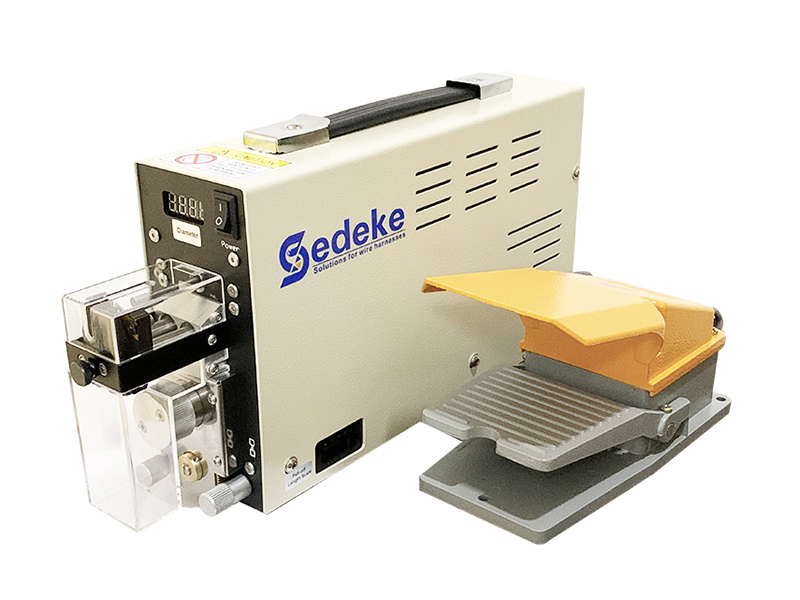
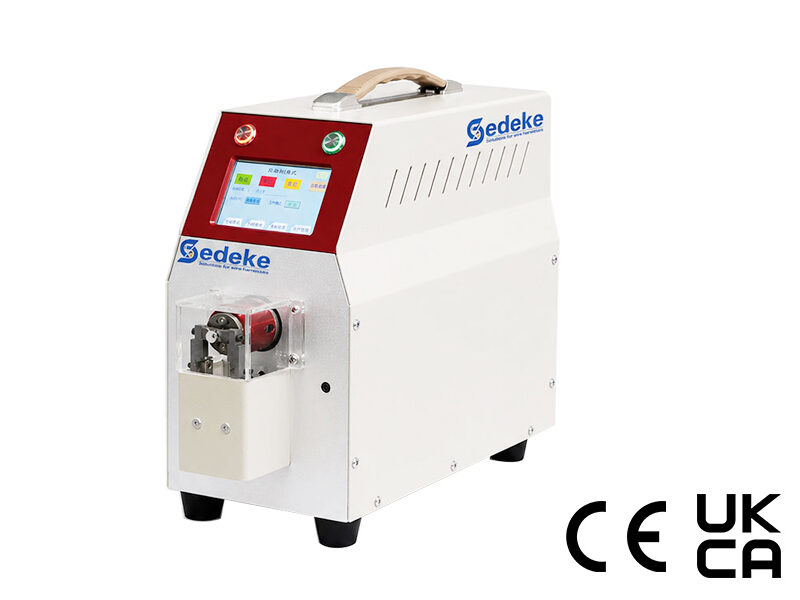
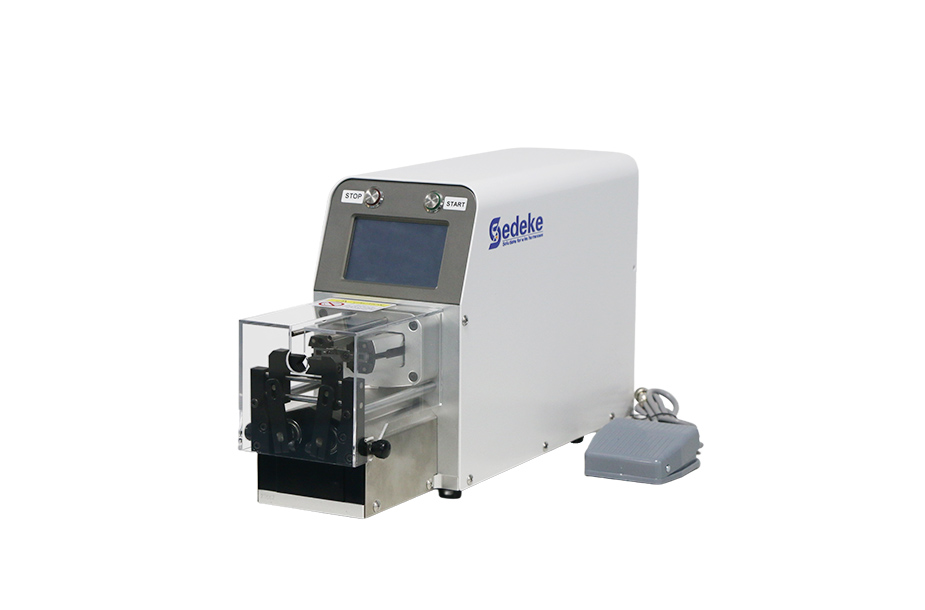
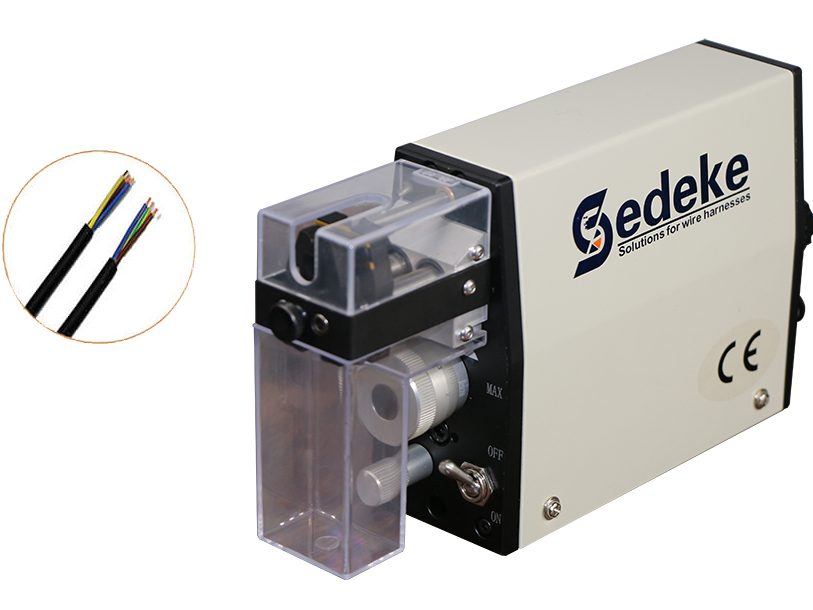
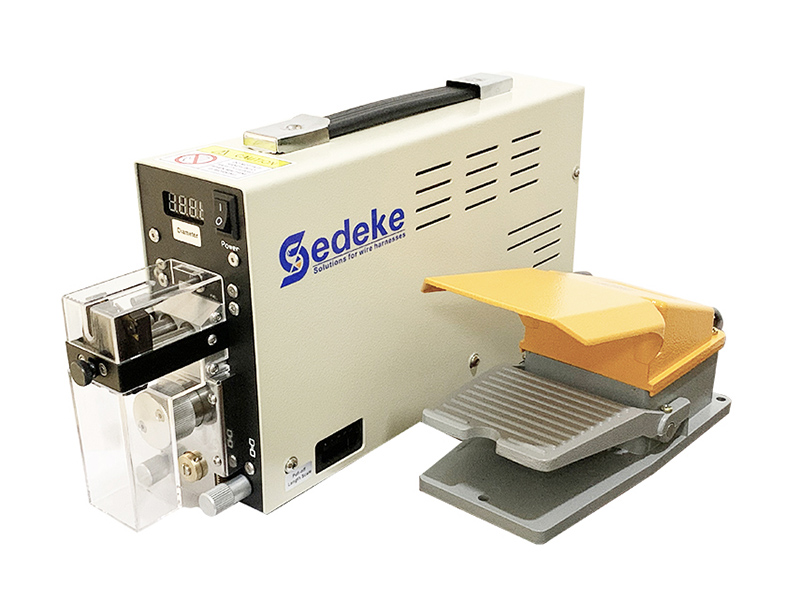
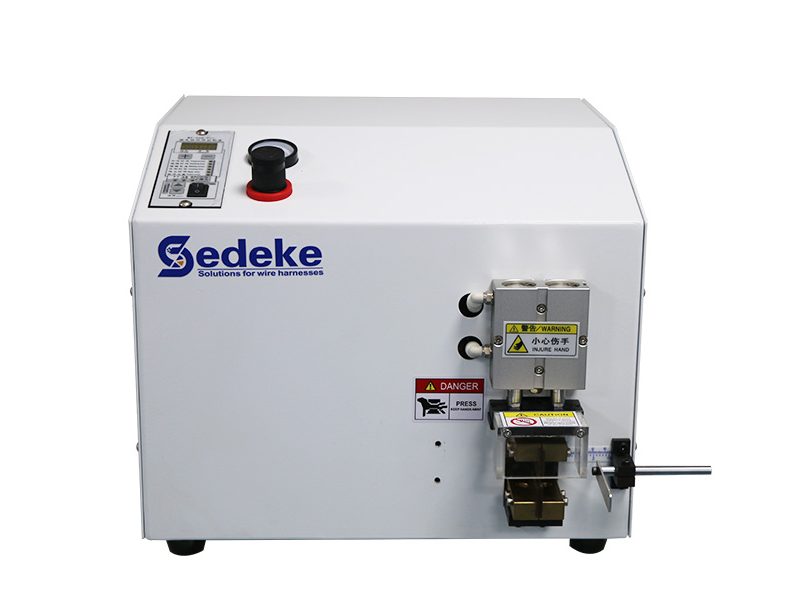
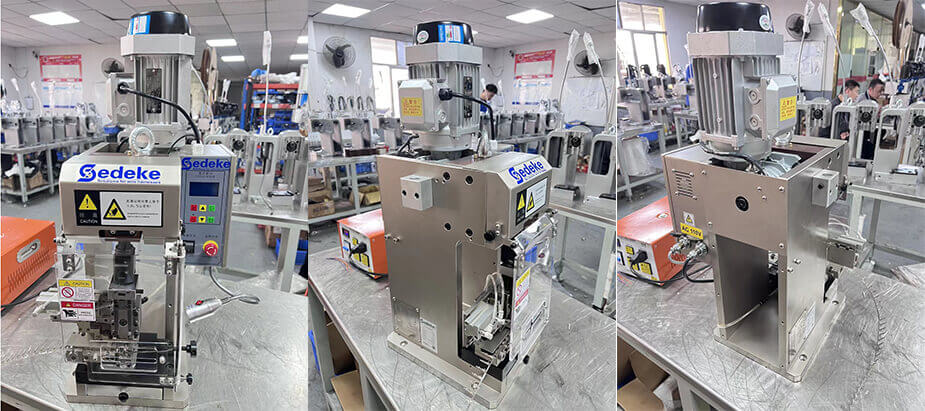
Sedeke benchtop pneumatic and electric wire Stripping Machine. The UniStrip 2016 is primarily pneumatic, while the UniStrip 2018E is primarily electric; both are suitable for stripping the inner conductors of single-core wires or small multi-core wires.
| Model | Type | Wire Size Range | Max Outer Diameter | Stripping Length | Start Mode | Power / Air | Dimensions | Weight |
| UniStrip 2016 | Pneumatic wire stripping machine | 0.05–3.3 mm² | 3.2 mm | 1–20 mm partial / 20 mm full strip | Sensor | 5–6 bar compressed air | 270 × 90 × 135 mm | 2.5 kg |
| UniStrip 2018E | Electric cable wire stripping machine | 0.3–4 mm² | 5 mm | 1–20 mm | Sensor / foot pedal | AC100–240V, 50/60Hz | 370 × 90 × 180 mm | 7 kg |
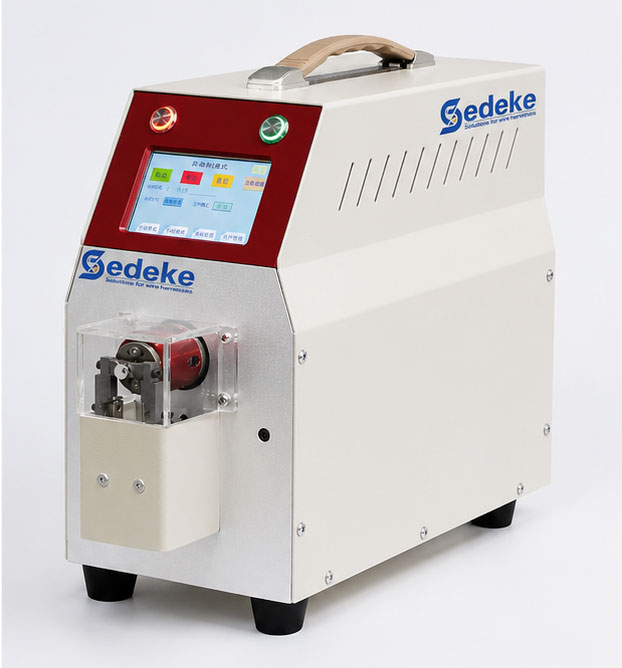
The following Sedeke wire stripping machine are designed for designed for coaxial cables, multi-layer cables, and general-purpose wire stripping.
| Model | Product Type | Processing Diameter / Wire Range | Max Stripping Length | Stripping Layers | Drive / Control | Program Storage | Dimensions | Weight |
| CS-0520 | Semi-automatic coaxial cable stripping machine | 0.4–1.8 mm | 0–20 mm | 6 layers | Lead screw motor | — | 310 × 140 × 280 mm | 18 kg |
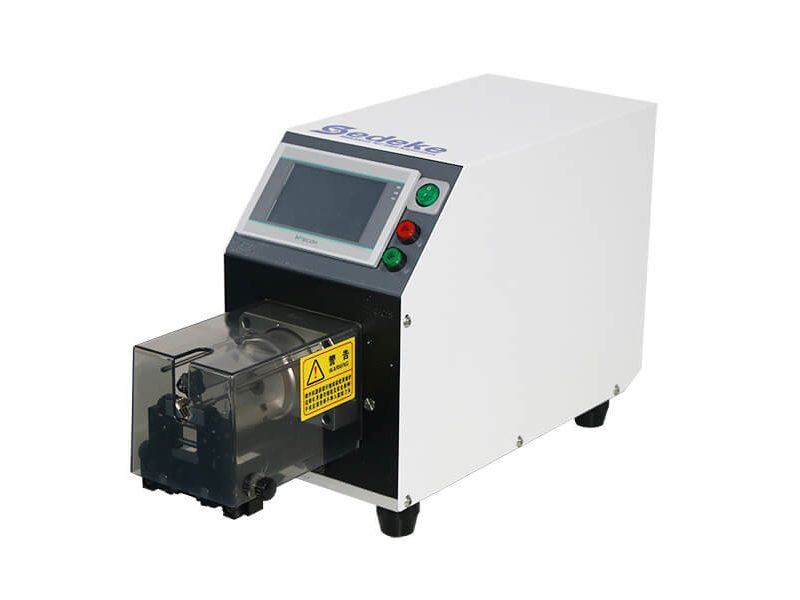
| CS-4507 | Multifunctional wire stripping machine | 0.5–7 mm | 0–45 mm | 4 layers (Multi-core sheathed cable:up to 3 inner cores) | Programmable stripping | Imported tungsten steel | 495 × 138 × 260 mm | 13.8 kg |
| CS-6010 | Multifunctional wire stripping machine | 1–10 mm | 60 mm | 4 layers (Multi-core sheathed cable:up to 3 inner cores) | Programmable stripping | Imported tungsten steel | 550 × 170 × 330 mm | 23 kg |
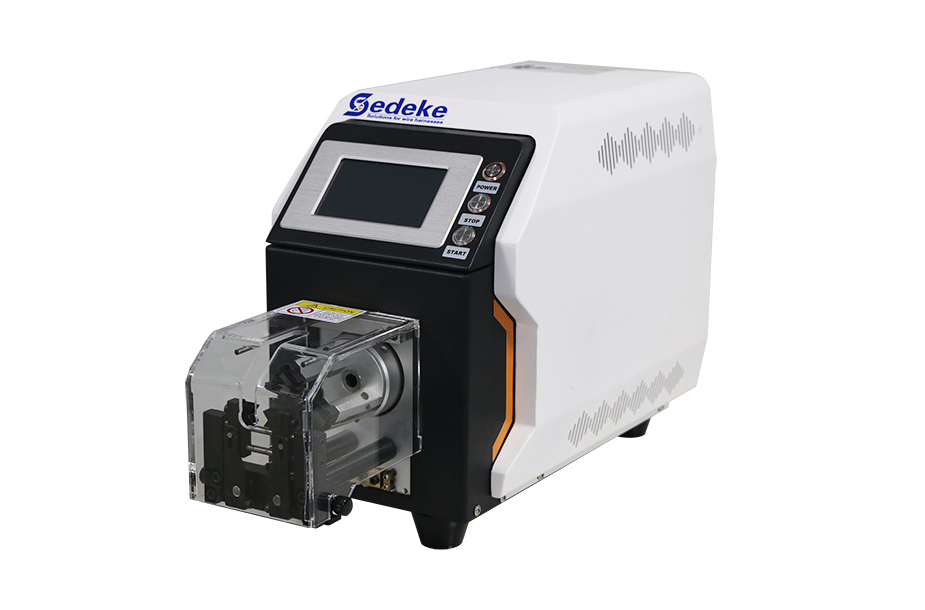
| CS-5507 | Automatic coaxial cable stripping machine | 0.8–7 mm | 0–50 mm | 10 layers | Ball screw drive | Max. 99 programs | 580 × 188 × 285 mm | 24 kg |
| CS-5515 | Automatic coaxial cable stripping machine | 2–15 mm | 80 mm | 10 layers | Ball screw drive | Max. 99 programs | 640 × 260 × 375 mm | 34 kg |
| CS-2486 | Coaxial cable wire stripping machine | 0.5–7.5 mm | 48 mm | 9 layers | Motor / ball screw drive; automatic centering | Max. 99 programs | 530 × 190 × 300 mm | 19 kg |
The following Sedeke wire stripping machine are designed for rotary stripping of braided shielded cables and larger-diameter cables.
| Model | Product Type | Stripping / Diameter Range | Stripping Length | Control / Stripping Method | Power / Air | Dimensions | Weight |
| CS-400 | Braided shield cable stripping machine | Φ0.5–6 mm; larger size needs customization | — | Controlled stripping depth and repeat positioning | 2000W; 0.5Mpa air supply | 400 × 400 × 400 mm | 45 kg |
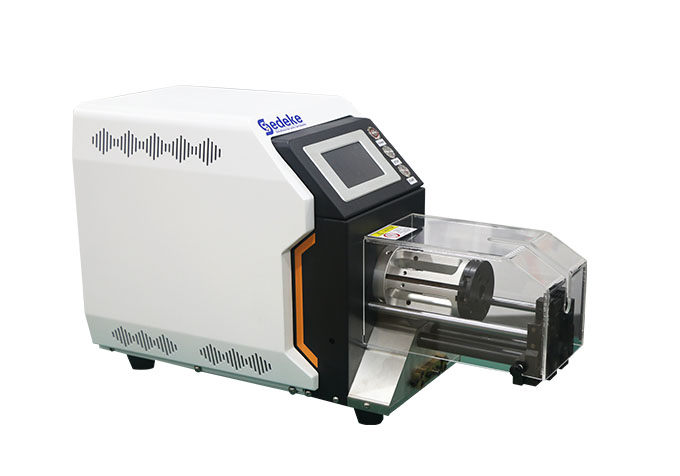
| CS-100 | Rotary cable stripping machine | Φ5–Φ25 mm | 0–100 mm | PLC touch screen; rotary cutting; motor plus screw stripping | 500W; 0.5–0.7Mpa air supply | 820 × 500 × 620 mm | 85 kg |
| CS-300 | Rotary cable stripping machine | Φ12–Φ50 mm | 0–300 mm | PLC touch screen; rotary cutting; motor plus screw stripping | 500W; 0.5–0.7Mpa air supply | 1300 × 450 × 580 mm | 135 kg |
Sedeke can help you evaluate the appropriate stripping process and select the right machine based on cable structure, stripping depth, wire diameter, and production workflow
Your Trouble:
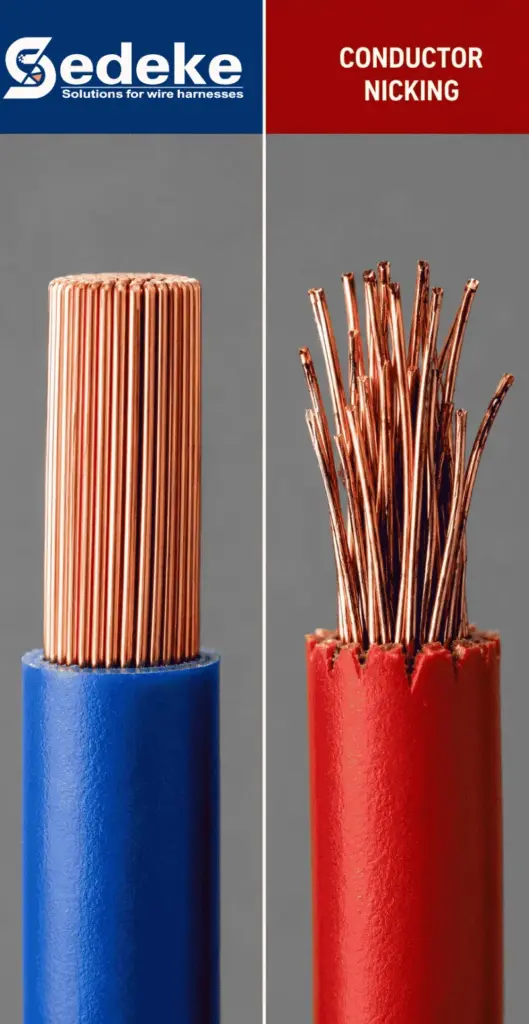
When stripping the fine wires found inside electronic components, sensors, and home appliances, if the blade depth, positioning, or clamping force is not properly adjusted, the inner copper wires can easily be scratched or crushed. Even minor damage to the copper core can affect subsequent soldering and terminal insertion, greatly increasing the likelihood of circuit failures.
Sedeke Solution:
Before you select a machine, Sedeke can help you determine the wire diameter, insulation material, and required stripping length in advance. When processing fine wires, Sedeke prioritizes consistent wire diameter matching, precise control of short stripping lengths, and damage-free insulation stripping—rather than relying solely on processing speed as the criterion for equipment selection.
Your Trouble:
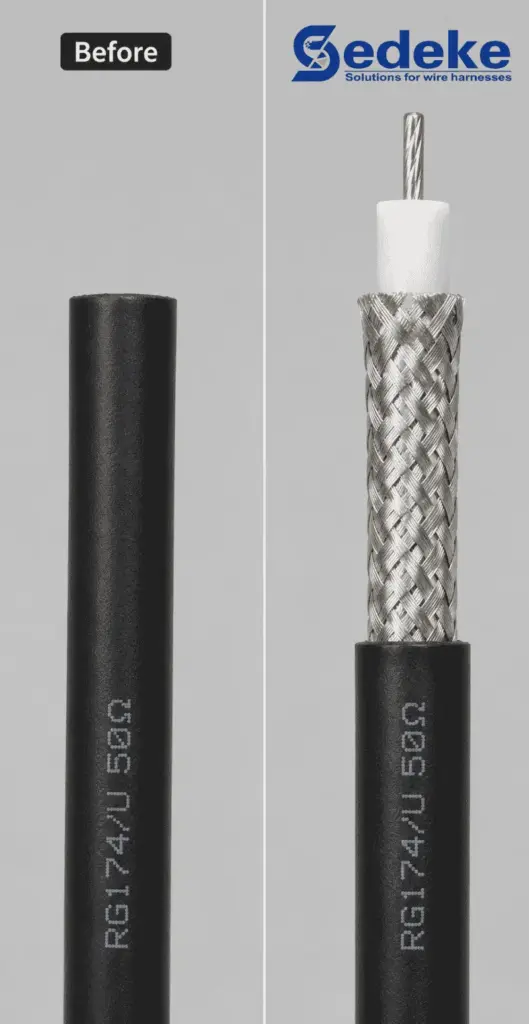
Coaxial cable cannot be stripped using the same method as regular single-strand wire. It consists of an outer jacket, a shielding braid, an inner insulation layer, and the inner conductor, so you must strip it layer by layer. If you cut too shallowly, you won’t be able to remove all the layers of the outer jacket; if you cut too deeply, you risk cutting through the shielding layer or damaging the inner copper conductor.
Sedeke Solution:
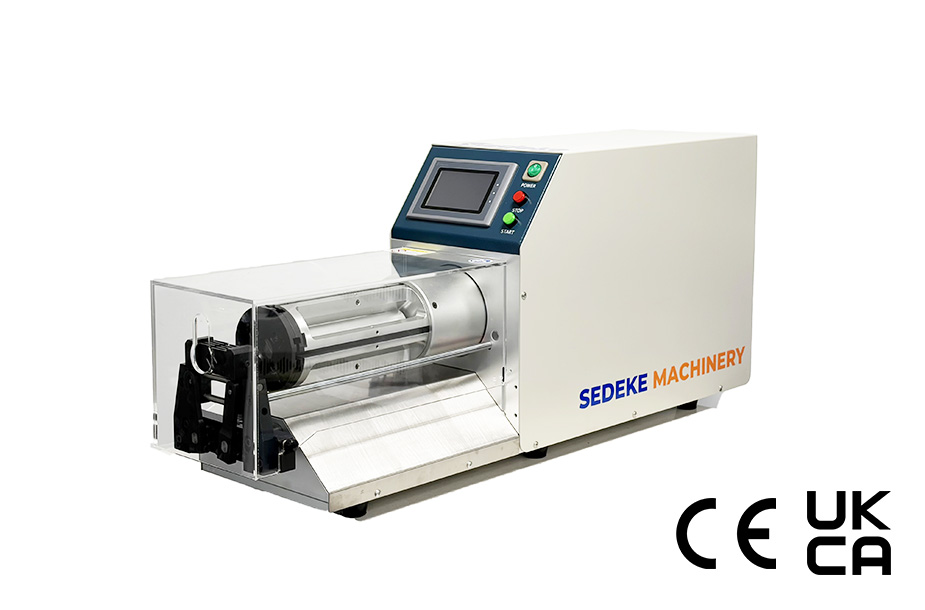
The Sedeke coaxial cable stripping machine solves this problem through layer-by-layer control. The CS-0520 supports 0.01 mm units for stripping length and cutting depth, up to 6 layers of stripping, and a production capacity of 750–1,150 pcs/hour. The CS-5507 and CS-5515 support up to 10 layers of stripping, 0.01 mm units for stripping length, ball screw drives, and imported tungsten steel blades. For applications requiring better centering accuracy, the CS-2486 supports processing outer diameters of 0.5–7.5 mm, 9-layer stripping, cutting depth units of 0.01 mm, automatic centering, and storage of up to 99 program sets.
Your Trouble:
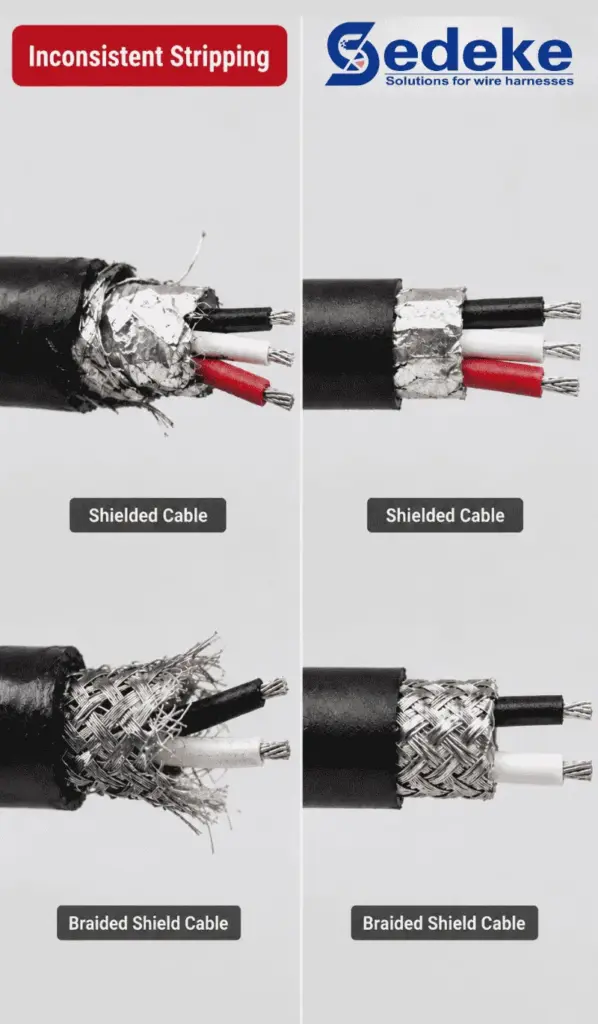
When processing shielded cables and braided network cables, you must strip the outer jacket to expose the shielding mesh, making it easier to ground the cable or crimp terminals onto it. If the depth and location of the stripping vary each time, resulting in uneven lengths of exposed shielding mesh, the finished cable ends will not meet specifications.
Sedeke Solution:
For the pre-processing of braided shielded cables, Sedeke offers specialized stripping machines designed specifically for this type of cable. With a stripping range of Φ0.5–6 mm and parameters that support controlled stripping depth and repeatable positioning, these machines are fully suited for cable end processing scenarios that require consistent shield exposure prior to grounding or terminal assembly.
Your Trouble:
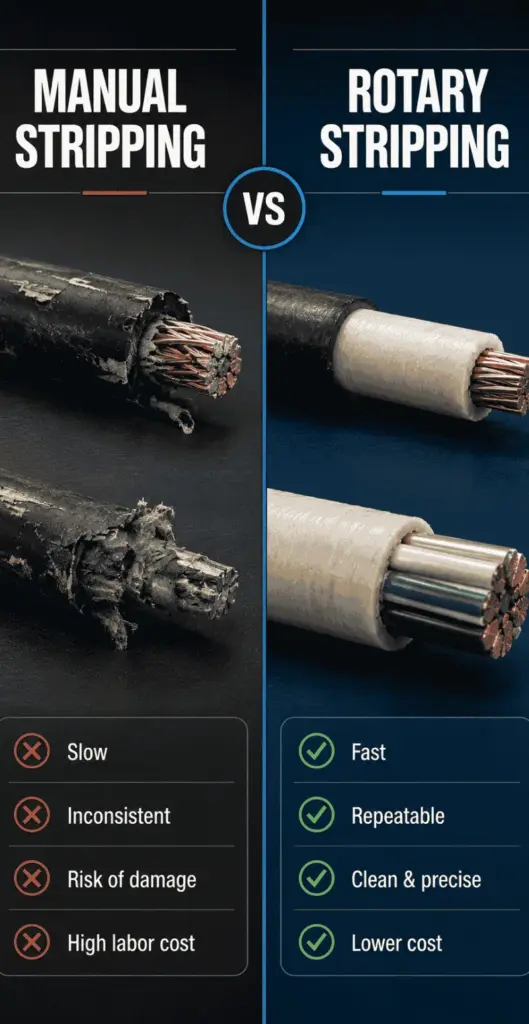
Large-diameter industrial cables have very thick outer jackets, requiring a long section of the jacket to be stripped. Stripping by hand is not only inefficient, but the lengths of the stripped sections also vary, making it difficult to maintain a consistent standard. When dealing with hard outer jackets or when large quantities of cables need to be stripped to the same length, manual stripping makes it nearly impossible to achieve uniform standards.
Sedeke Solution:
The Sedeke CS Series Rotary Stripping Machine provides the perfect solution to the challenges mentioned above. The machine features a rotary ring-cutting mechanism combined with a motorized lead screw for wire feeding, allowing for precise digital adjustment of the stripping stroke. Equipped with a PLC touchscreen, it offers simple and intuitive operation. Both models maintain a stripping tolerance of ±0.2 millimeters and can process 10–30 cables per minute. Compared to manual stripping, this machine is more efficient when handling the outer sheaths of thick cables.
From Cable Sample Evaluation to Stable Stripping Production
Selecting a wire stripping machine by cable diameter alone can lead to conductor damage, incomplete jacket removal, uneven shield exposure or unstable cycle times. Sedeke evaluates the complete cable structure and validates the stripping process before recommending a machine.
Provide the cable outer diameter or wire cross-section, conductor structure, insulation and jacket materials, required strip length, number of layers, target output and sample quantity.
The application review focuses on blade geometry, cutting depth, clamping force, cable centering, stripping sequence and jacket pull-off performance. Actual cable samples should be used whenever possible.
Based on the evaluation results, Sedeke recommends the machine model, blade set, fixture, parameter program, expected cycle rate and any required customization.
The proposed process can be confirmed through stripped samples, test videos and agreed acceptance criteria before production. Setup guidance, operator training, spare blades and technical support can then be prepared for the selected machine.
Include the cable OD, structure, material, strip length, number of layers and target output.
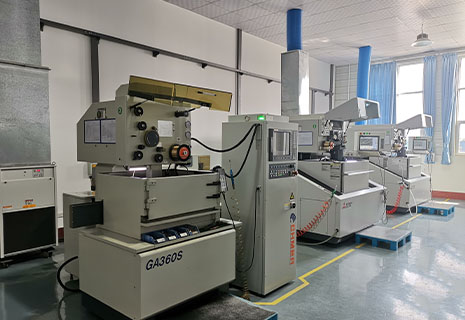
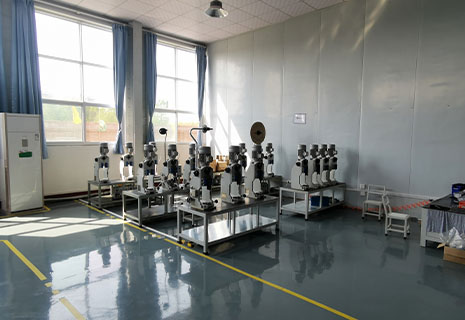
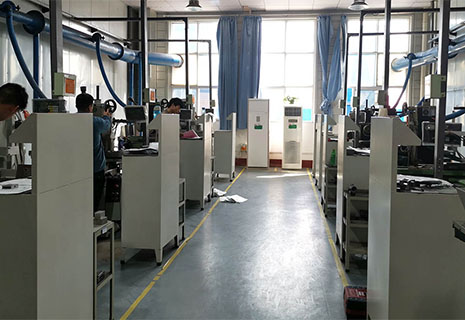
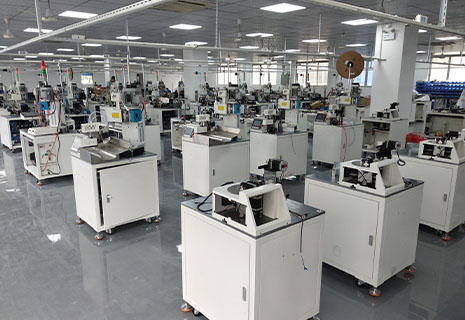
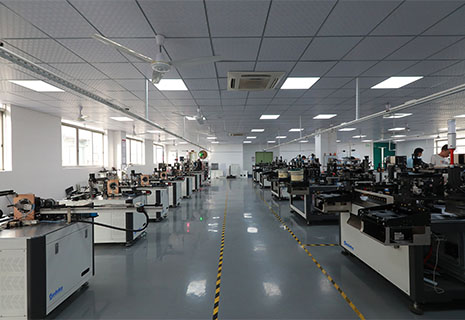
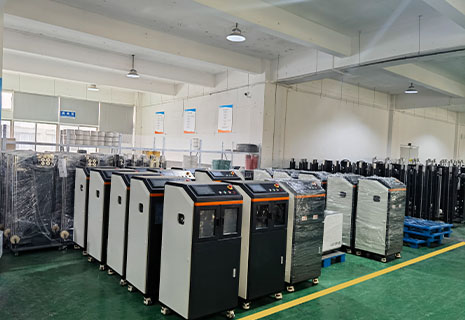
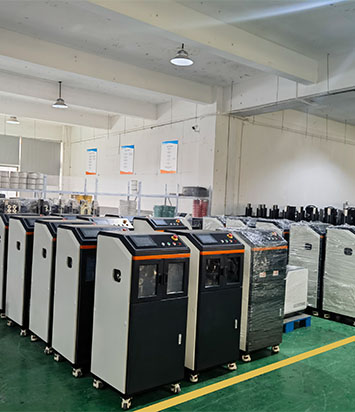
Sedeke has over 25 years of extensive experience in the field of industrial automation wire harness processing. The company operates three R&D and production bases and four major processing plants in Jiangsu and Zhejiang, China, and maintains technical support centers in Europe and Southeast Asia. Its products are sold in more than 50 countries and regions worldwide, and the company has registered its trademarks in nine countries, including Germany and India, demonstrating a mature global supply chain and service capabilities.
The company boasts a technically proficient and experienced R&D team, with a product line that comprehensively covers cutting, stripping, crimping, winding, and fully integrated automated equipment. In addition to offering a series of standardized rubber/plastic wire harness processing machines, Sedeke provides customized wire harness processing solutions that are innovatively optimized and perfectly tailored to meet specific customer requirements.
Sedeke’s equipment and technologies are widely used in high-end manufacturing industries such as automotive wiring harnesses, new energy, rail transit, aerospace, home appliances, power and telecommunications, and medical devices. They help drive the intelligent transformation of factories and serve as a reliable partner brand for industrial support.
A wire stripping machine removes insulation, jackets or cable layers before soldering, crimping, connector assembly, shielding treatment or cable installation. For coaxial, shielded and industrial cables, the stripping process may also need controlled depth, layer separation and conductor protection.
Start with the cable structure, wire diameter, insulation material, stripping length, stripping layers and required output. A fine wire, coaxial cable, braided shield cable and large industrial cable may require different stripping methods.
A pneumatic wire stripping machine uses compressed air and is suitable for simple bench-top stripping tasks. An electric wire stripping machine uses electric control and may offer sensor or foot pedal operation depending on the model
Coaxial cable stripping should focus on processing diameter, maximum stripping length, stripping layers, cutting depth control, blade material and program storage. Sedeke’s coaxial cable stripping range includes semi-automatic and automatic options for different cable diameters and layer requirements.
Yes. Sedeke has a braided shield cable stripping solution for cables within the confirmed stripping range. For larger sizes or special shield structures, buyers should confirm cable diameter, shield type and whether customization is required.