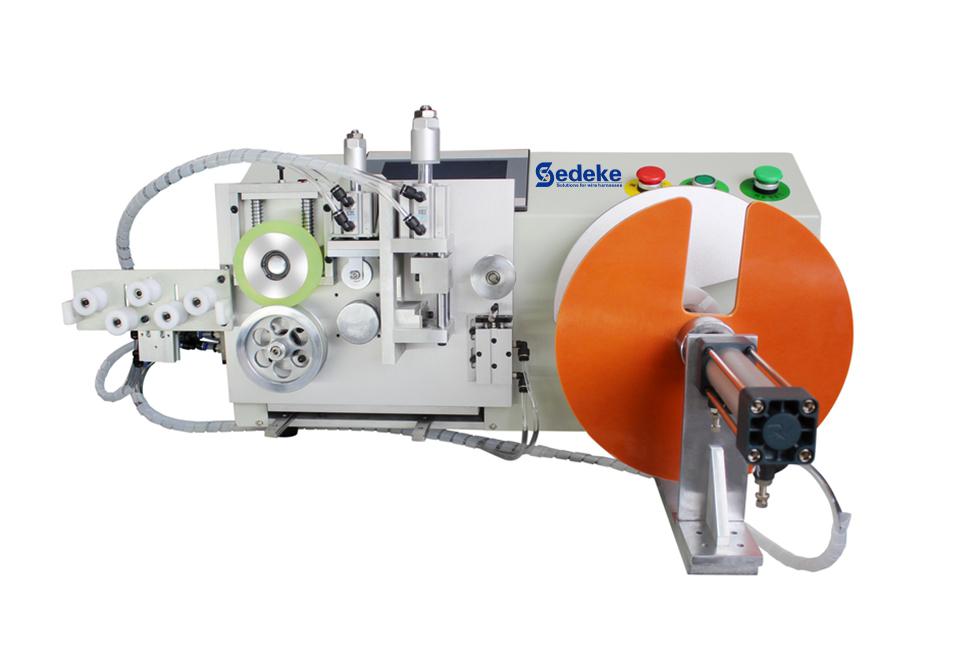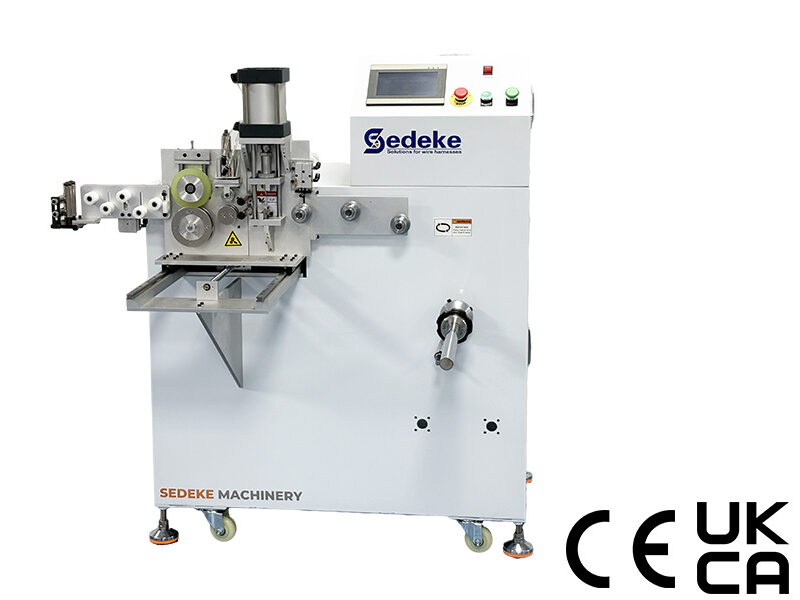


Wire Winding Machine
Turn loose wire and cable into consistent, ready-to-handle coils with a Sedeke automatic wire winding machine. Choose benchtop or floor-type equipment for adjustable length or turn settings, controlled sorting during winding, and optional binding or tying when the finished coil needs to stay secured for handling, storage or the next production step.
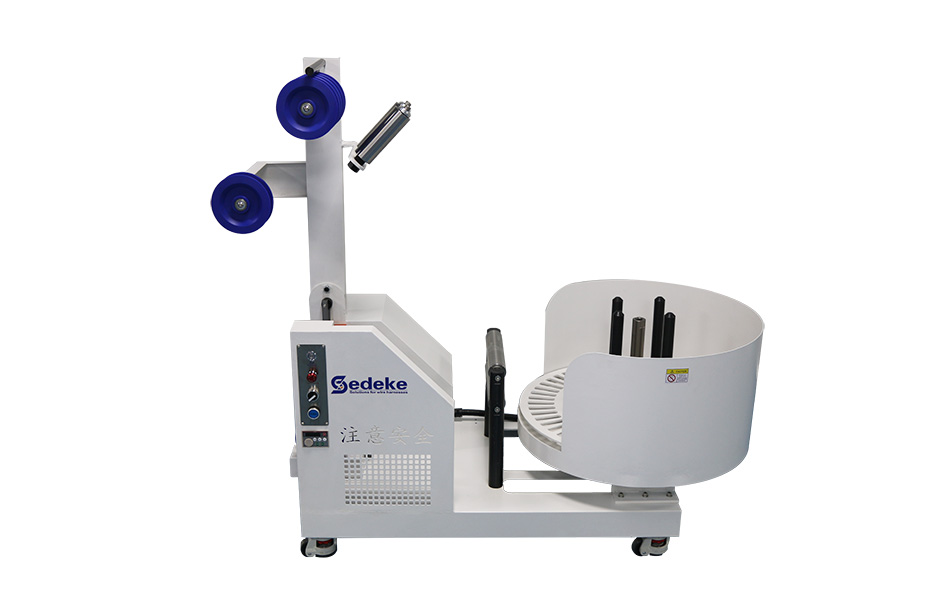
Changes in coil size, wire placement or the way a finished coil is secured can create extra handling and rework. Sedeke addresses these issues with adjustable winding formats, controlled sorting and integrated coil fixing.
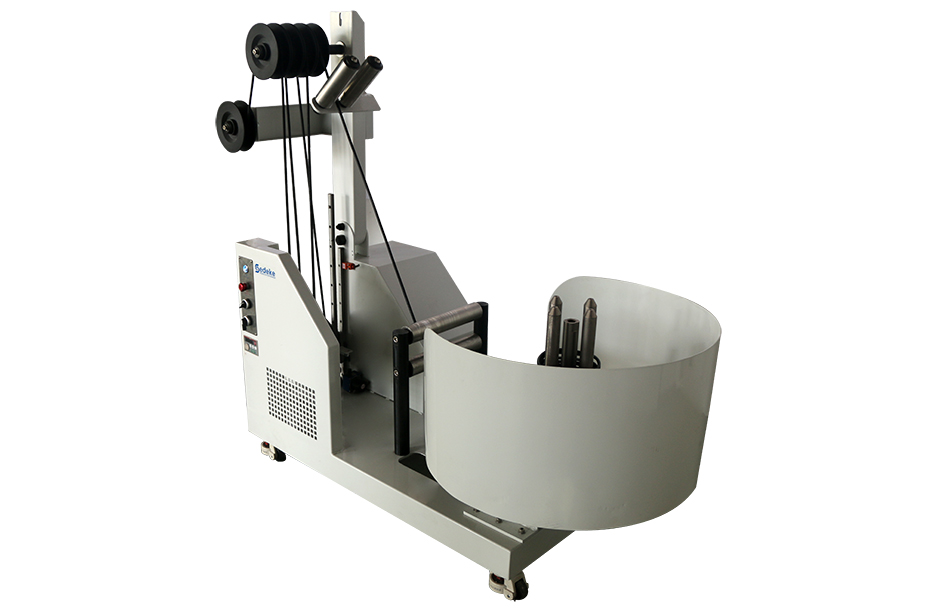
A coil that changes size between batches may not fit its package or downstream station. Sedeke machines use adjustable winding length or turn settings with model-specific inner-diameter ranges. The CB-B15 covers 50 to 200 mm, while the CB-F30MCS and CB-F150MCS cover 50 to 300 mm. This provides a defined machine setup for the required coil.
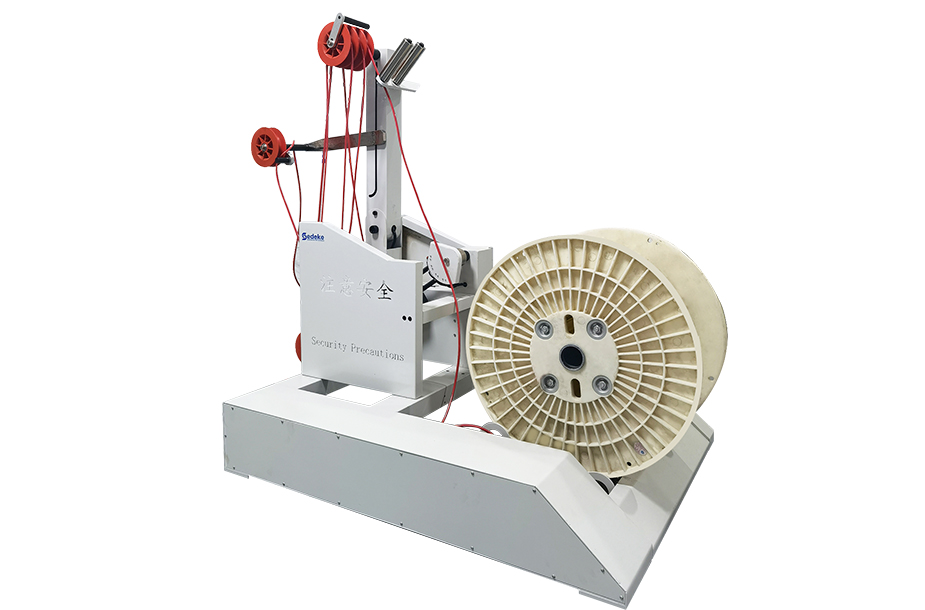
Wire can gather in one area of the winding disc or cross over itself when its lateral position is not controlled. Sedeke wire winding machines with automatic sorting move the wire across a specified stroke as the coil forms. Published strokes range from 100 mm on compact benchtop equipment to 200 mm on the CB-F500MCS, with longer optional strokes on selected models. The selected stroke should match the target coil width.
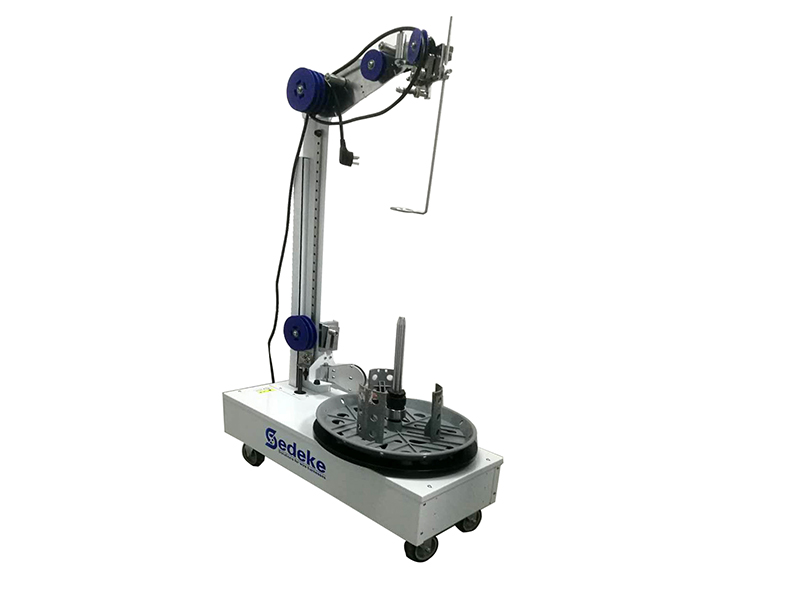
A finished coil can lose its shape when it is lifted or moved to the next operation. Sedeke combines winding with binding or tying on selected equipment. The CB-BT15 and CB-B15CST handle 18 to 45 mm bundle diameters, while floor-type machines extend the available range to 40 to 80 mm. An automatic wire coiling machine with integrated binding secures the coil before it leaves the station.
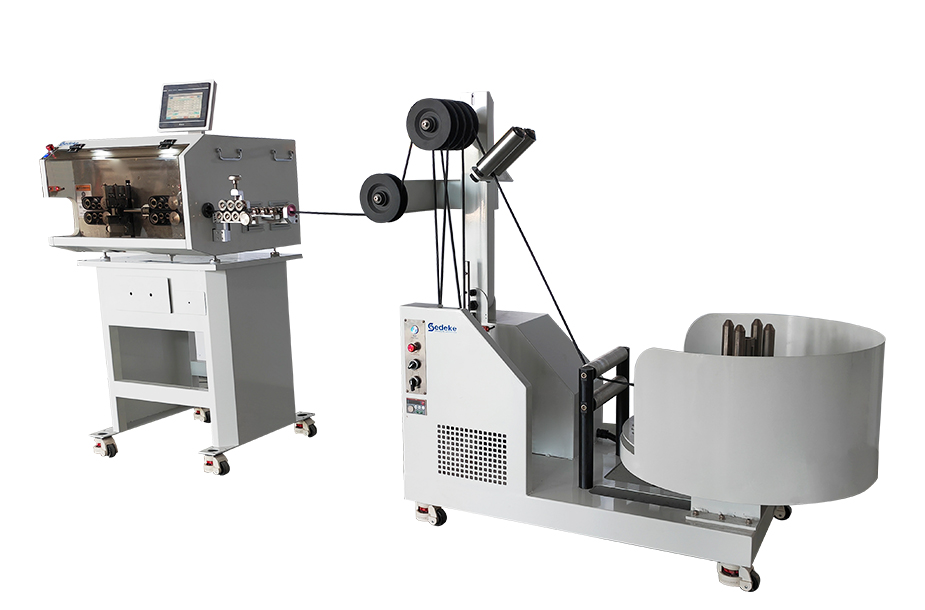
Larger cable coils place more load on the winding station and are harder to reproduce by hand. Sedeke publishes loading weights of 3 kg and 15 kg for the CB-F30MCS and CB-F150MCS, while the CB-F500MCS is rated at 50 kg. These floor-type configurations provide a powered cable winding machine format with defined coil diameter, sorting stroke and speed parameters.
Compare the required coil size and loading weight first, then check whether the job needs winding only or automatic binding after the coil is formed. The range includes compact desktop wire winding machine formats, higher-load floor type wire winding machine configurations, integrated wire winding and binding machine options and a wire winding and tying machine series.
| Series / Models | Format and Function | Loading Weight | Winding ID | Setting | Speed | Disc / Sorting Stroke | Binding or Tying | Power | Dimensions (mm) |
|---|---|---|---|---|---|---|---|---|---|
| CB-B15 | Desktop winding | 1.5 kg | 50-200 mm | Length or turns adjustable | 1-6 turns/s | 280 mm / 100 mm | None | 500 W | 700 × 750 × 360 |
| CB-BT15 | Desktop winding + binding | 1.5 kg | 50-200 mm | Length or turns adjustable | 1-8 turns/s | 280 mm / 100 mm | 18-45 mm bundle; 0.6 s/time | 500 W | 1100 × 440 × 430 |
| CB-F30MCS / CB-F150MCS | Floor winding | 3 / 15 kg | 50-300 mm | Length or turns adjustable | 1-8 turns/s | 280 / 320 mm; sorting 120 mm, optional 200 mm | None | 500 / 800 W | 800 × 1000 × 1030 |
| CB-FT314 / CB-FT1514 | Floor winding + binding | 3 / 15 kg | 50-200 / 50-250 mm | Turns adjustable | 1-13 turns/s | 280 / 320 mm; sorting 120 mm, optional 200 / 220 mm | 18-45 mm bundle; 0.6 s/time | 800 / 850 W | 1000 × 940 × 1140 |
| CB-FT348 / CB-FT1548 | Floor winding + binding | 3 / 15 kg | 50-250 / 50-300 mm | Length or turns adjustable | 1-13 turns/s | 280 / 320 mm; sorting 120 mm, optional 200 / 220 mm | 40-80 mm bundle; 0.6 s/time | 800 / 850 W | 1000 × 310 × 1100 / 1200 × 900 × 1100 |
| CB-B15CST | Desktop winding + binding | 1.5 kg | 5-200 mm | Length or turns adjustable | 1-8 turns/s | 280 mm / 100 mm | 18-45 mm bundle; 0.6 s/time | 500 W | 1100 × 440 × 430 |
| CB-F500MCS | Floor winding | 50 kg | 50-300 mm | Length or turns adjustable | 1-8 turns/s | 350 mm / 200 mm | None | 2500 W | 1250 × 1040 × 1280 |
| CB-B30CS / CB-B150CS | Benchtop winding | 3 / 15 kg | 50-200 mm | Turns adjustable | 1-10 turns/s | 280 / 320 mm; sorting 120 mm, optional 280 mm | None | 500 / 800 W | 900 × 600 × 450 |
| CB-B10CS / CB-B15CS | Benchtop winding | 1 / 1.5 kg | 50-200 mm | Turns adjustable | 1-10 turns/s | 280 mm / 100 mm | None | 200 W | 400 × 800 × 340 |
| CS-WT630 / CB-WT645 / CB-WT680 | Winding + tying | Verify | 50-200 / 50-200 / 50-300 mm | Winding cycle adjustable | 1-13 turns/s | Verify | 5-30 / 18-45 / 40-80 mm bundle; 0.6 s/time | 200 / 250 / 300 W | 490 × 300 × 550 / 510 × 320 × 580 / 600 × 400 × 600 |
Wire winding is used when cut or processed cable must leave the station in a controlled coil instead of a loose length. The required coil changes with the cable construction, available handling space and what happens after winding.
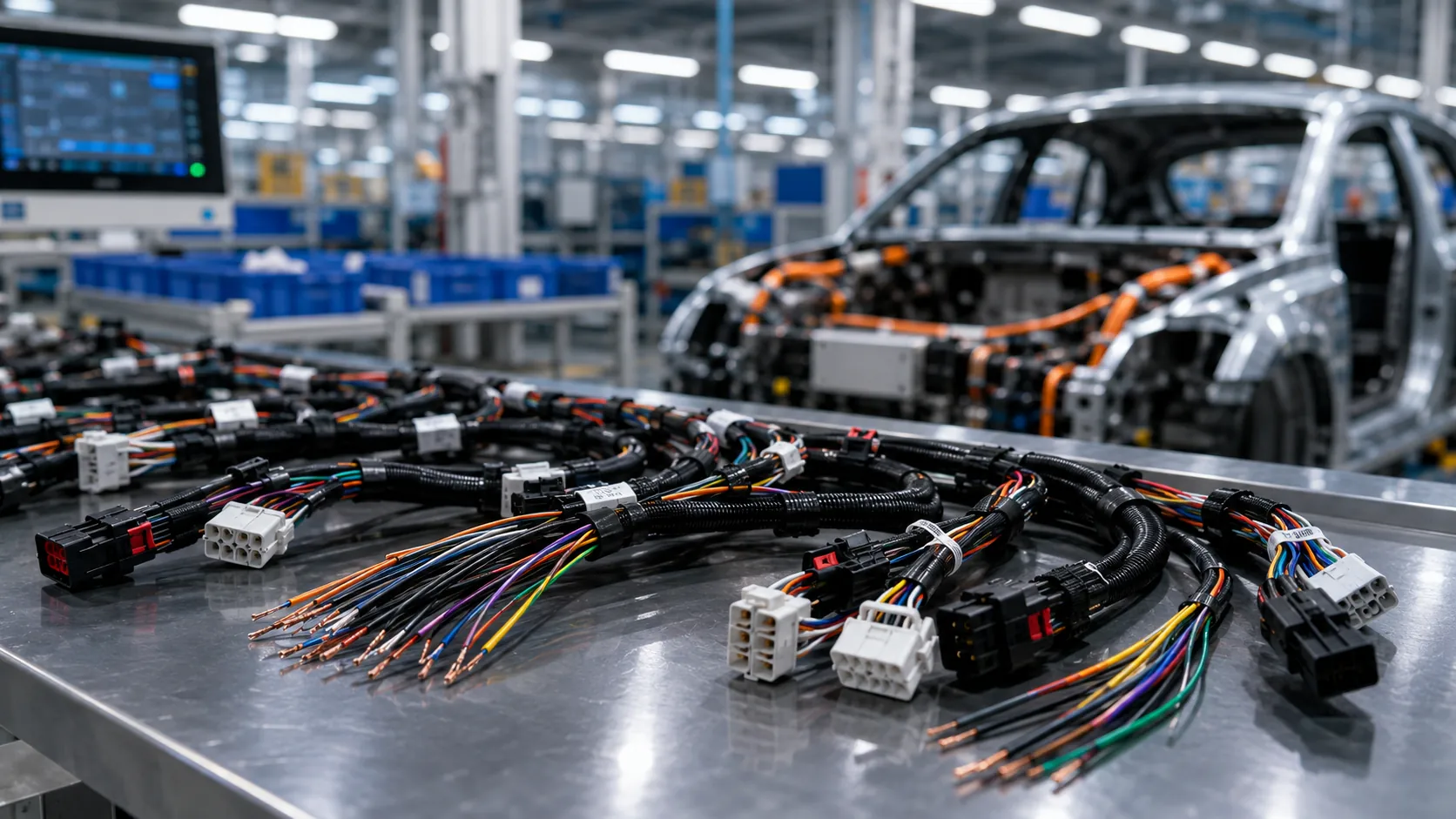
Automotive harness production handles repeated wire lengths that must move between cutting, terminal processing, subassembly and final harness assembly. An automotive cable winding machine keeps longer wires in a defined coil so they can be transferred without spreading across the workstation. Where the coil must stay fixed during internal movement, winding can be followed by binding or tying at the same station.
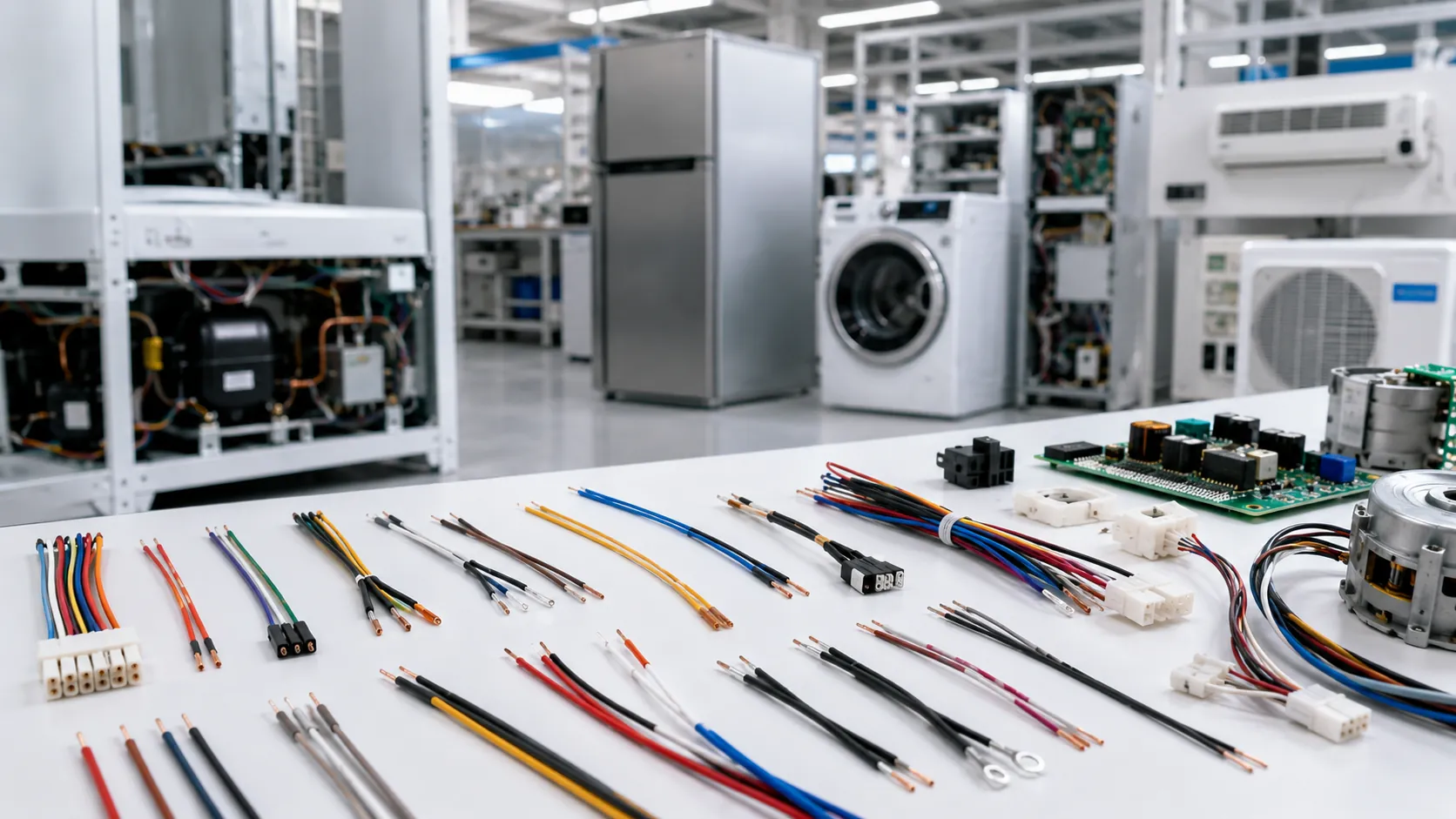
Power cords, USB cables, video leads and similar assemblies often require compact coils that are easy to count, store or place into packaging. Benchtop winding formats suit work areas where floor space is limited, while adjustable turns and inner diameter allow the output to follow the required pack size. Round or figure-eight winding is also available within Sedeke’s tying range for different finished cable formats.
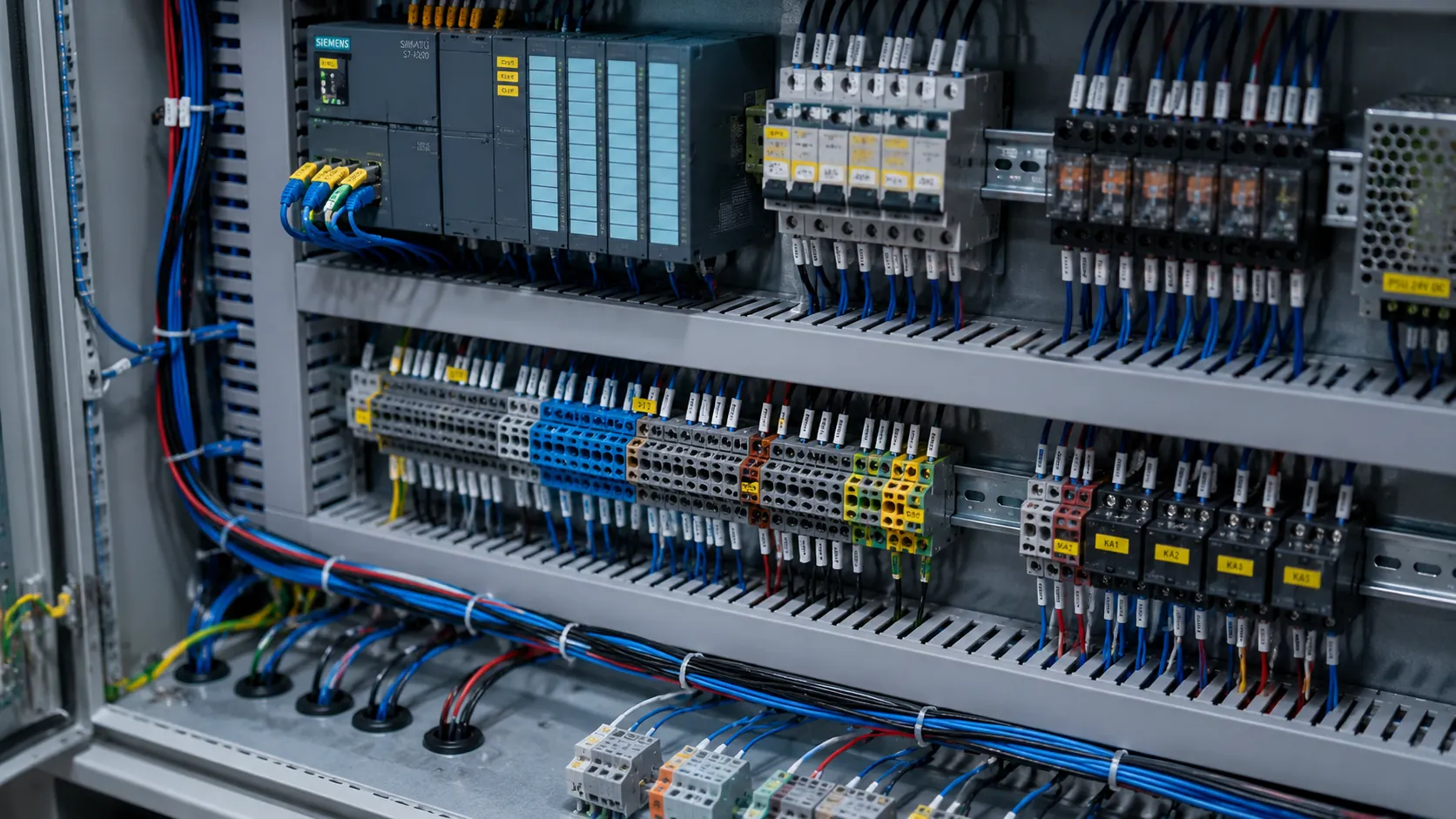
Control cables, power leads and other heavier products place more load on the winding equipment and may require a larger coil. Sedeke floor-type configurations publish loading weights from 3 to 50 kg and winding inner diameters up to 300 mm. These ranges place larger work on an industrial cable winding machine instead of pushing a benchtop format beyond its published load.
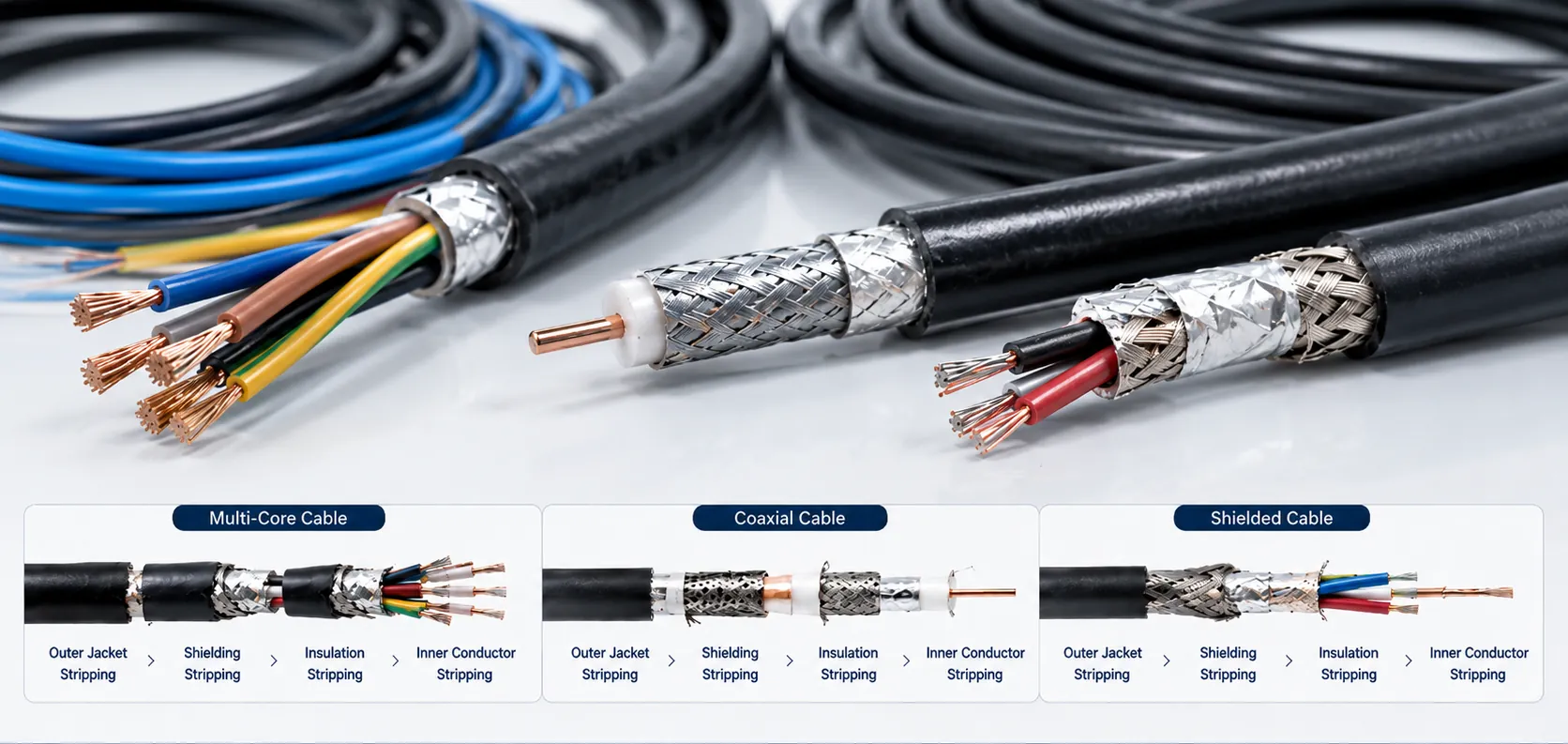
Long cut wires are difficult to stack and move as straight loose lengths. A wire coiling machine converts them into an organized output for internal storage, transfer to another process or preparation for shipment. Length or turn settings define the coil, automatic sorting controls its arrangement, and optional binding keeps selected outputs together after they are removed from the winding station.
Share your wire diameter, cable structure, insulation material and stripping length for application review.
Coil consistency depends on more than the rotating disc. The setting method, wire position during winding and the way the finished coil is fixed all affect whether the next batch can reproduce the same output.
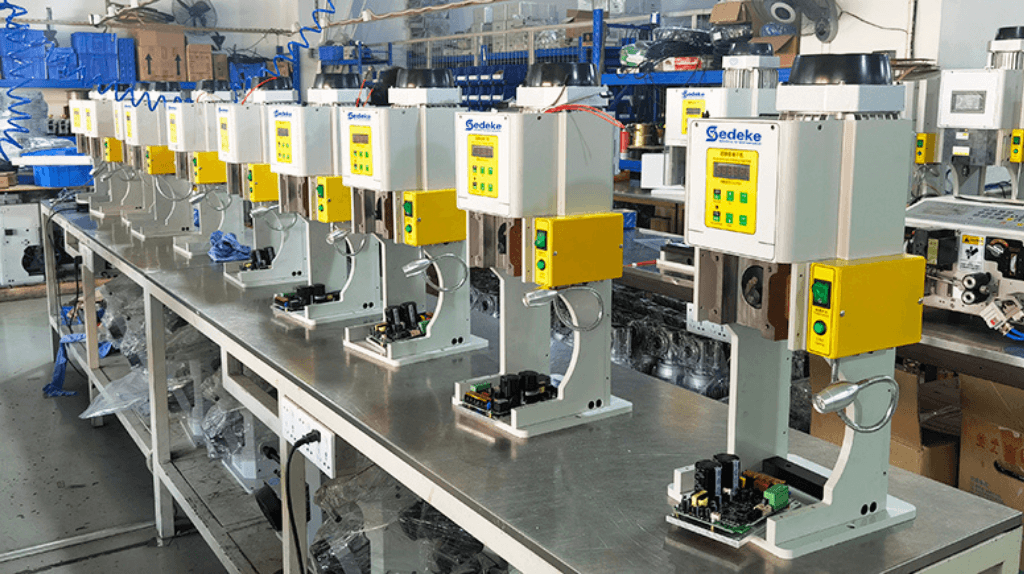
Sedeke’s CB-B15, CB-BT15 and selected floor-type equipment use a pulling rotary grating encoder for meter counting. The operator can set winding length or the required number of turns on supported configurations. A meter counting wire winding machine therefore controls the stopping point from a defined production value instead of relying on visual estimation.
The sorting mechanism moves the wire laterally while the winding disc rotates. Sedeke wire winding machine was standard sorting strokes of 100, 120 and 200 mm across different configurations, with longer optional strokes on selected equipment. Matching this movement to the intended coil width distributes the wire across the winding area and limits the tendency to gather at one position.

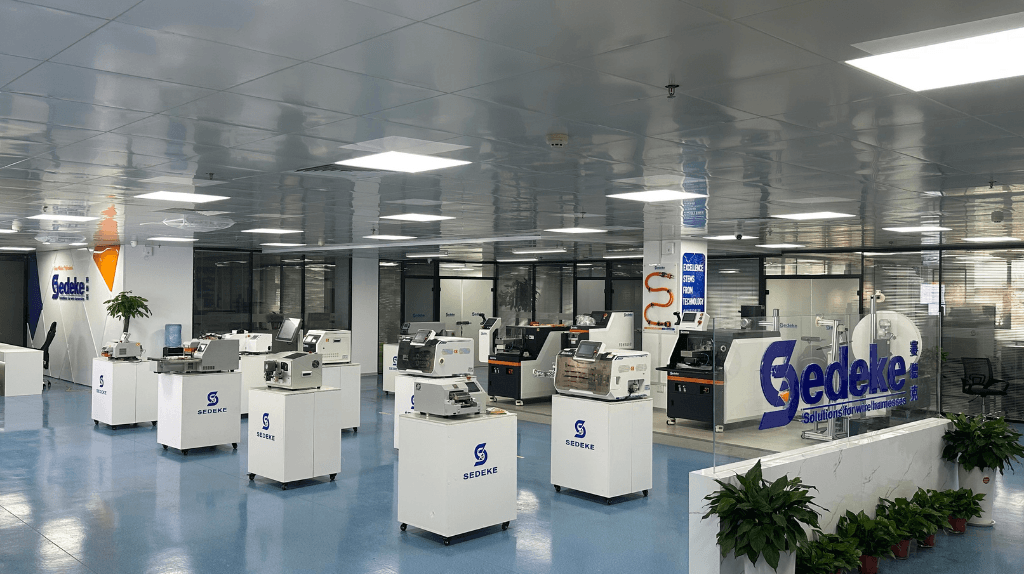
Selected Sedeke models combine a PLC control system with an automatic wire-feeding mechanism. The control sequence coordinates the configured length or turns, winding movement and sorting action for the current job. This capability belongs to the models that publish it and is not presented as a universal function of every automatic wire winding machine in the range.
Selected machines continue directly from winding into coil fixing. Binding configurations publish 0.6 second binding cycles and bundle ranges of 18 to 45 mm or 40 to 80 mm. The wire winding and tying machine range covers bundle diameters from 5 to 80 mm and can form round or figure-eight coils. This secures the finished geometry before the coil leaves the station.
Include the cable OD, structure, material, strip length, number of layers and target output.
Sedeke has over 25 years of extensive experience in the field of industrial automation wire harness processing. The company operates three R&D and production bases and four major processing plants in Jiangsu and Zhejiang, China, and maintains technical support centers in Europe and Southeast Asia. Its products are sold in more than 50 countries and regions worldwide, and the company has registered its trademarks in nine countries, including Germany and India, demonstrating a mature global supply chain and service capabilities.
The company boasts a technically proficient and experienced R&D team, with a product line that comprehensively covers cutting, stripping, crimping, winding, and fully integrated automated equipment. In addition to offering a series of standardized rubber/plastic wire harness processing machines, Sedeke provides customized wire harness processing solutions that are innovatively optimized and perfectly tailored to meet specific customer requirements.
Sedeke’s equipment and technologies are widely used in high-end manufacturing industries such as automotive wiring harnesses, new energy, rail transit, aerospace, home appliances, power and telecommunications, and medical devices. They help drive the intelligent transformation of factories and serve as a reliable partner brand for industrial support.
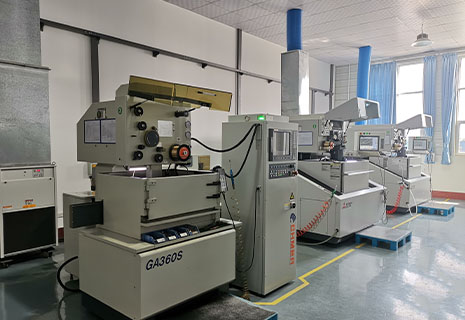
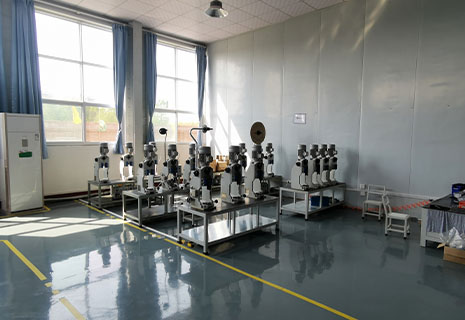
Winding and coiling both describe forming wire or cable into a controlled circular or figure-eight shape. In this product range, winding usually refers to the machine process, while coiling describes the finished cable form. Bundling adds a fixing step that holds the completed coil together. These machines organize finished wire lengths; they are not motor, stator, transformer or bobbin winding equipment.
Choose the winding inner diameter from the required finished coil, cable flexibility and downstream handling method. The coil must be large enough to avoid forcing the cable into an unsuitable bend and small enough for its rack, package or next operation. Sedeke publishes model-specific winding ranges rather than one universal diameter, so the target coil should be compared with the selected machine range.
A floor-type configuration is appropriate when the required loading weight, coil diameter or machine structure exceeds the intended range of compact benchtop equipment. Sedeke publishes floor configurations with loading weights of 3, 15 and 50 kg and winding inner diameters up to 300 mm. The decision should use the actual production load and coil specification, not cable thickness alone.
Yes. Selected Sedeke machines complete binding or tying after the winding cycle. Binding configurations cover published bundle diameters of 18 to 45 mm or 40 to 80 mm, while the tying range covers 5 to 80 mm across its listed specifications. Winding-only machines do not add this step, so the required finished output must be matched to the correct function.
Uneven winding usually comes from a mismatch between wire feed, sorting movement, winding speed and target coil width. A deformed incoming loop, unstable upstream feed or an unsuitable sorting stroke can concentrate wire in one area. Check that the sorting range covers the intended coil width and that the wire enters the winding area without tangles before changing the winding speed.