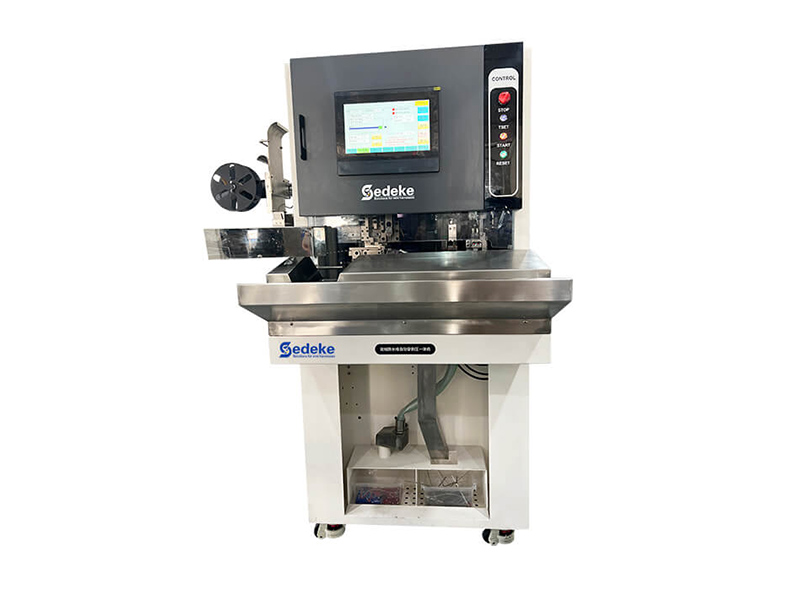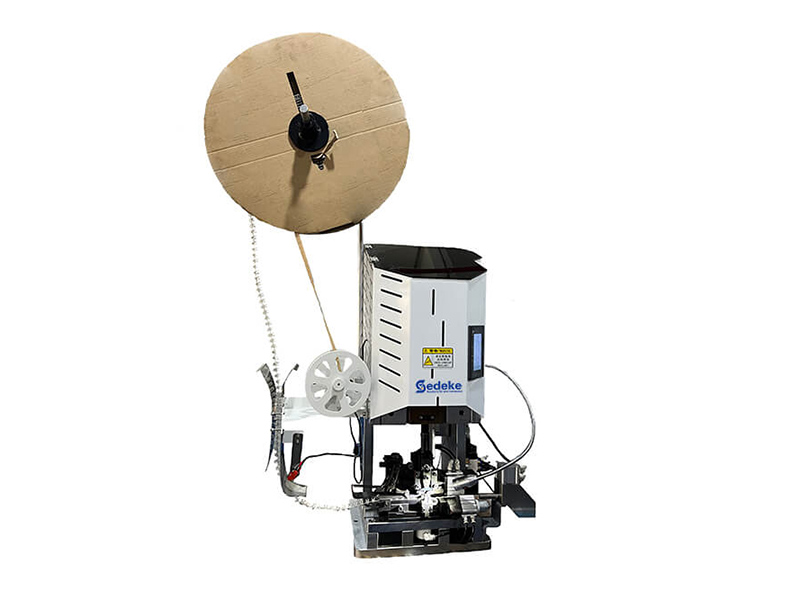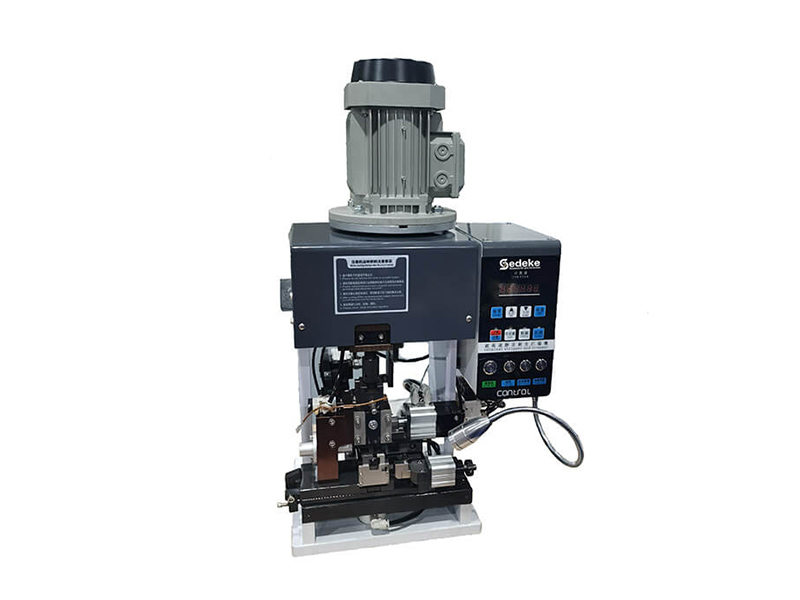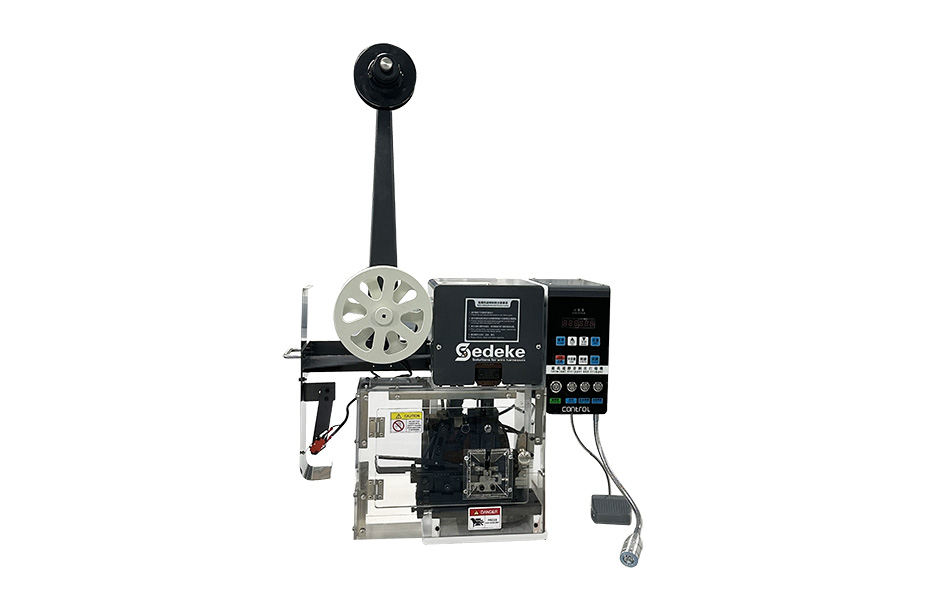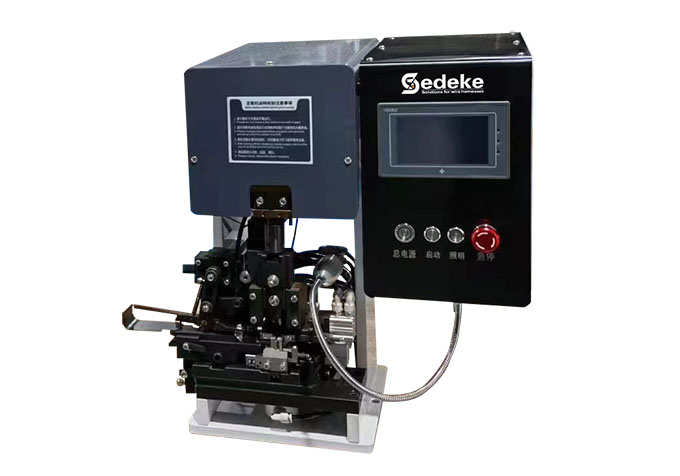


Stripping and Crimping Machine
Strip insulation and crimp open-chain terminals in one controlled cycle. Sedeke machines cover fine single wires, sheathed multi-core cables and weather-sealed wire ends, with different wire ranges, terminal feeds, press capacities and strokes for the connection being produced.
Standard, multi-core and sealed wires
Strip and crimp in one cycle
AWG 32 fine wire to 8T press
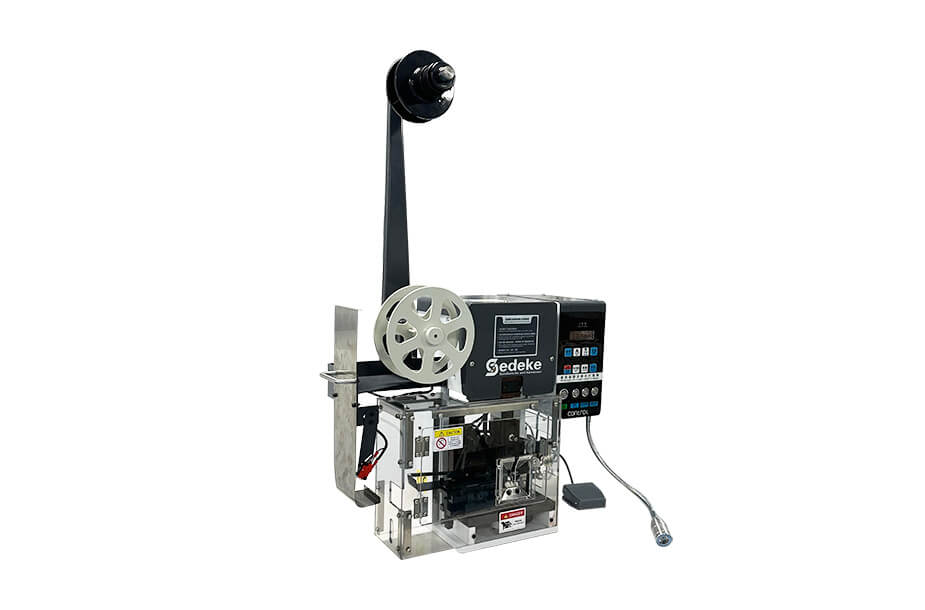
Start with the cable construction. A standard single wire, a sheathed cable with several inner conductors and a wire that needs a weather seal require different handling before the terminal is crimped. Once that path is clear, compare wire range, stripping length, terminal feed, press capacity and stroke. Published output is useful for shortlisting, but the actual rate changes with the wire, terminal and processing conditions.
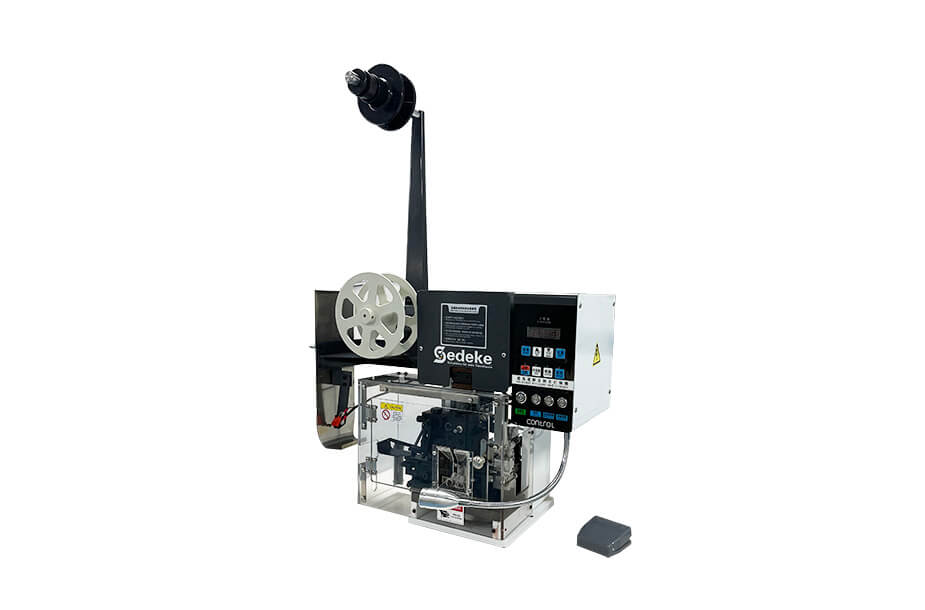
TM-15SC and TM-20SCS cover fine wires from AWG 32 to 18 with a 1 to 10 mm stripping length. TM-30SC extends the listed range to AWG 32 to 14 and supports side-feed and end-feed open-chain terminals. For larger wire diameters or higher press-force requirements, TM-80SCS covers 0.8 to 8.0 mm wire with an 8T press. These machines form the standard wire stripping and crimping machine route, but they are not interchangeable without checking the terminal and tooling.
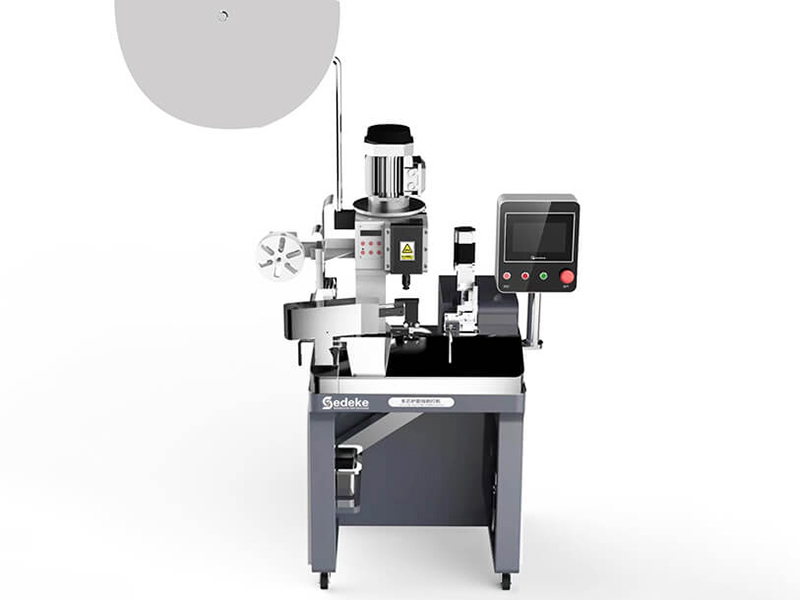
TM-20SCM is built for sheathed cables with multiple exposed inner wires. It handles cable diameters from 0.8 to 4.0 mm and up to 12 cores. A servo motor and screw drive control the stripping and crimping displacement, while side-feed and end-feed terminal options support different open-chain terminal layouts. This multi-core cable stripping and crimping machine keeps repeated inner-wire stripping and terminal crimping at one station.
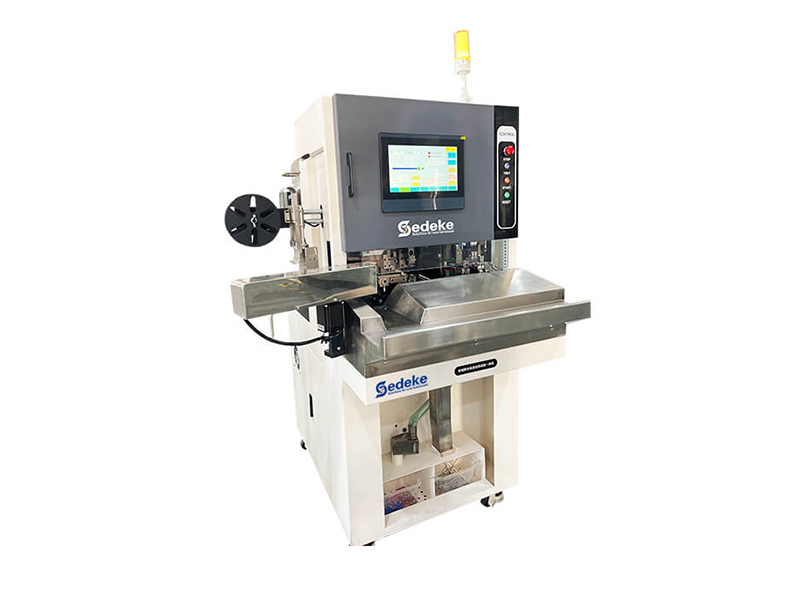
TM-200SC and TM-200SCT add weather-seal insertion before stripping and terminal crimping. The seal is discharged by a vibrator and fed with compressed air. TM-200SC processes one wire at a time; TM-200SCT processes two. Both cover 1 to 4 mm wire, a 1 to 10 mm stripping length and a 40 mm press stroke. This route is intended for sealed wire ends where seal position and terminal processing need to follow one machine sequence.
Choose the machine by cable construction first, then confirm wire range, terminal feed, crimping capacity, press stroke and tooling.
| Model | Primary Task | Wire Range | Strip Length | Crimp Capacity | Stroke | Listed Output | Terminal Feed |
|---|---|---|---|---|---|---|---|
| TM-15SC | Fine-wire single-end strip and crimp | AWG 32-18 | 1-10 mm | 1.5T / 2T / 3T* | 30 mm | 4,000 strokes/hour | Horizontal* |
| TM-20SCS | Servo strip and crimp for fine wire | AWG 32-18 | 1-10 mm | 2T / 4T | 30 mm | 4,000 pcs/hour | Horizontal |
| TM-30SC | Standard wires with flexible feed direction | AWG 32-14 | 1-8 mm | 3T | 35 mm | 2,500-3,500 pcs/hour | Side feed / end feed |
| TM-80SCS | Larger wire diameter and higher press force | 0.8-8.0 mm diameter | 1-8 mm | 8T | 30 mm | 1,800-2,200 pcs/hour | Horizontal |
| TM-20SCM | Sheathed multi-core cable | 0.8-4.0 mm; up to 12 cores | 1-10 mm inner wire | 2T | 30 mm | 5,500 pcs/hour | Side feed / end feed |
| TM-200SC | Weather seal, one-wire processing | 1-4 mm diameter | 1-10 mm | 2T / 4T | 40 mm | 1,200-1,500 pcs/hour | Side feed |
| TM-200SCT | Weather seal, two-wire processing | 1-4 mm diameter | 1-10 mm | 2T / 4T | 40 mm | 1,800-2,000 pcs/hour | Side feed |
* TM-15SC configurations vary. Confirm the supplied press capacity and feed direction before ordering the machine or tooling. All output figures depend on the wire, terminal and processing conditions.
An automatic stripping and crimping process brings wire positioning, insulation removal, terminal presentation and crimping into one operating cycle. The exact motion differs by model, but the production sequence remains easy to follow.
The operator places an already cut wire end in the working position. The wire guide and working length must suit the conductor, insulation and terminal location so the strip position remains correct after insertion.
The machine clamps the wire and removes the set insulation length. TM-15SC uses pneumatic stripping and vacuum removal of stripping waste. TM-20SCM uses a servo motor and screw drive to control stripping displacement for exposed inner wires in a sheathed multi-core cable.
The terminal enters the crimping area through the feed path specified for the model, which may be horizontal, side feed or end feed. For TM-200SC and TM-200SCT, a vibrator discharges the weather seal and compressed air feeds it into position before stripping and crimping.
The press completes the terminal crimp using the selected capacity, stroke and tooling. Press force alone does not determine the result. The terminal geometry, conductor size, strip length and crimp tooling must work as one setup.
The operator removes the finished wire and checks the first pieces before continuous production. Crimp height, pull force and terminal cross section can then be verified with the inspection method specified for the connection.
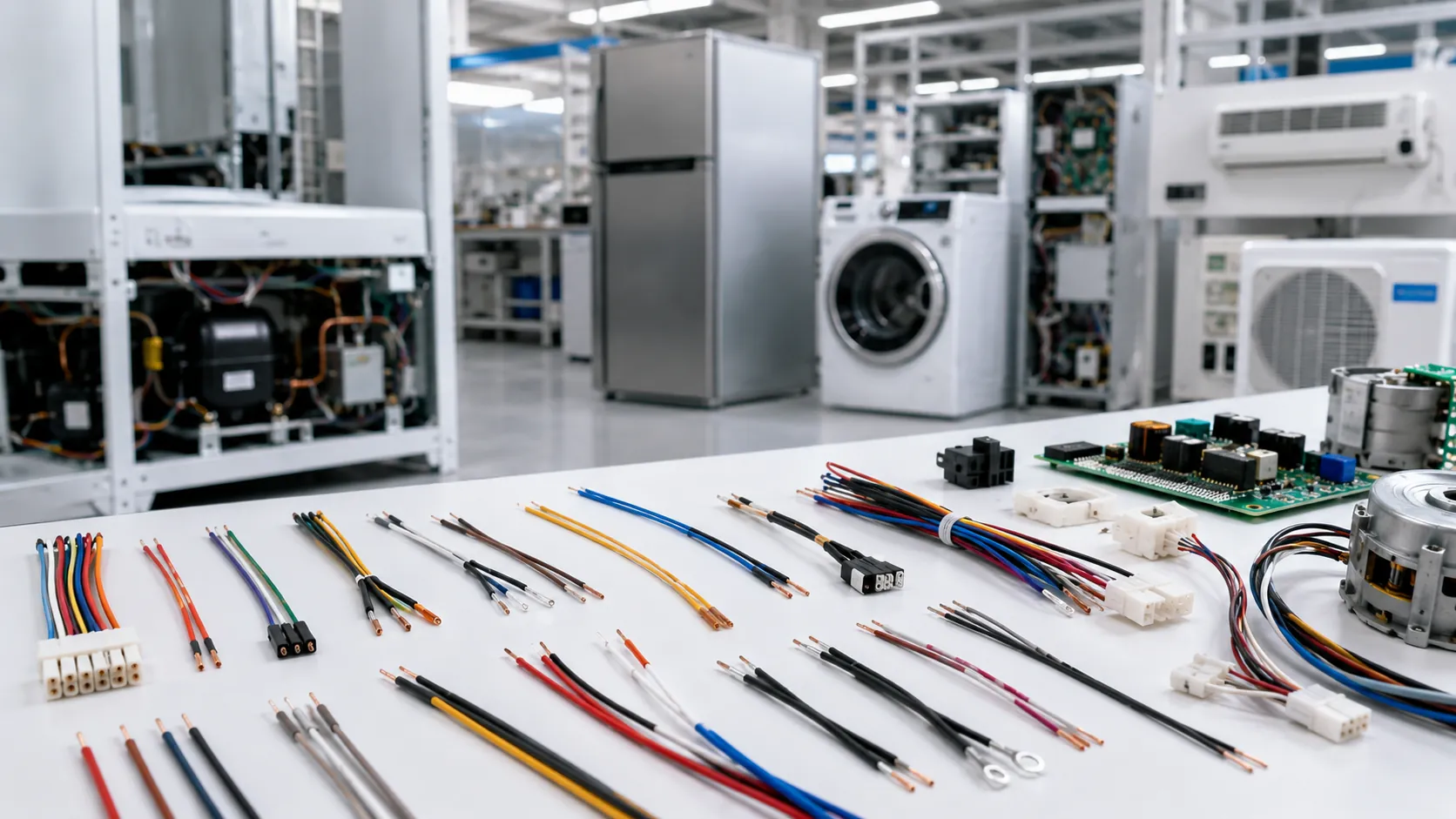
Small motors, sensors, household appliances and electronic assemblies often use fine wires with open-chain terminals. The work is repetitive, but the stripped end is short and the conductor can be easily marked if the blade position does not suit the wire. A combined strip-and-crimp cycle keeps the wire at one station between insulation removal and terminal formation, which is useful when operators process prepared wire lengths in repeated batches.
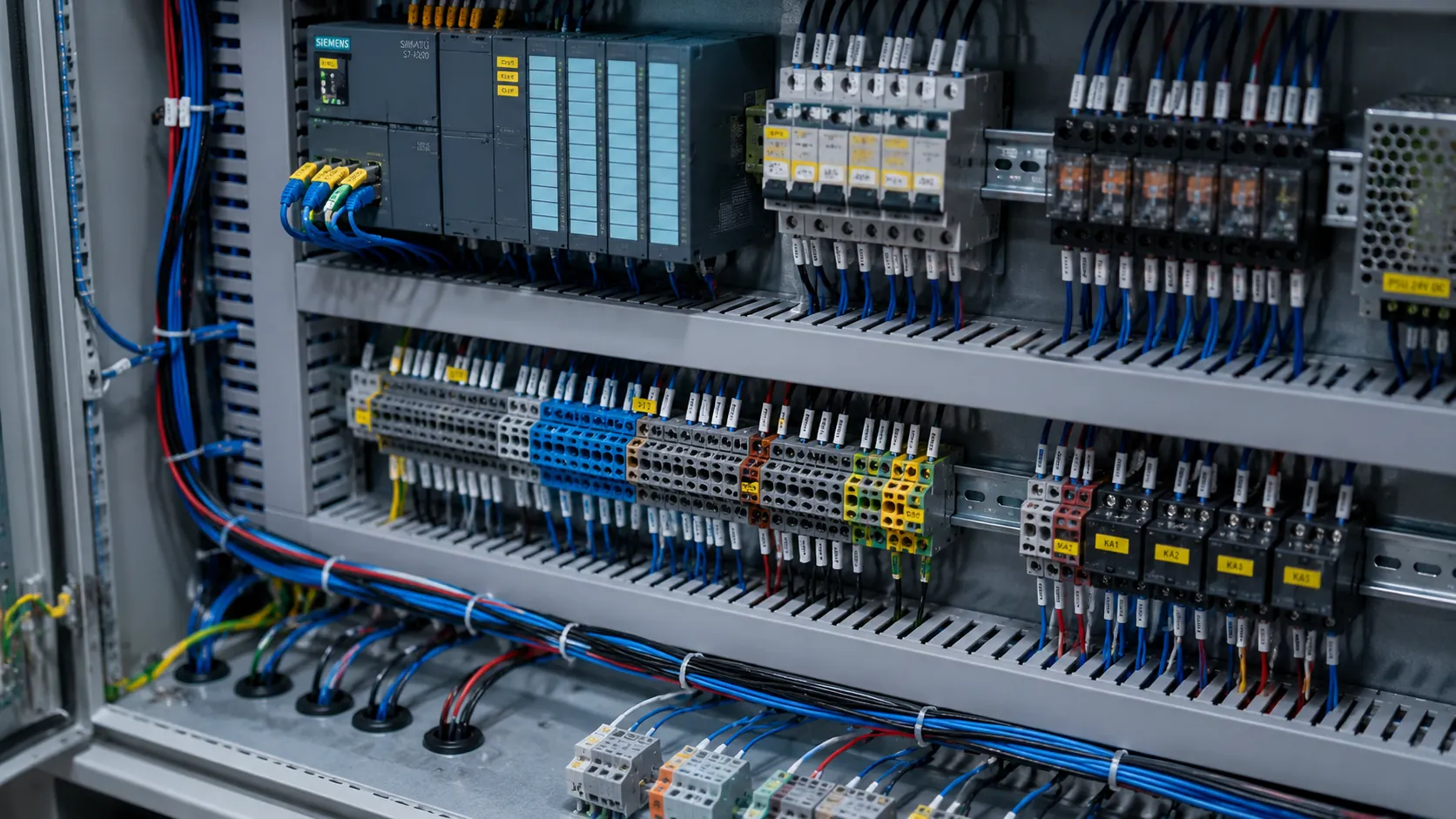
Control cabinets, automation equipment and industrial electrical assemblies use mixed wire sizes and many terminal layouts. Production may change between batches while the required connection remains closely defined by the terminal drawing. A wire stripping and terminal crimping machine suits this environment when prepared wires need consistent end stripping and open-chain terminal crimping without transferring each wire to a separate press.
Industrial controls, instruments and connected equipment frequently use sheathed cables with several inner conductors. After the outer jacket is opened, each inner wire still needs an accurate working length, insulation strip and terminal. Processing these conductors at one station helps the operator keep the core order and exposed length under control while moving through repeated strip-and-crimp cycles.
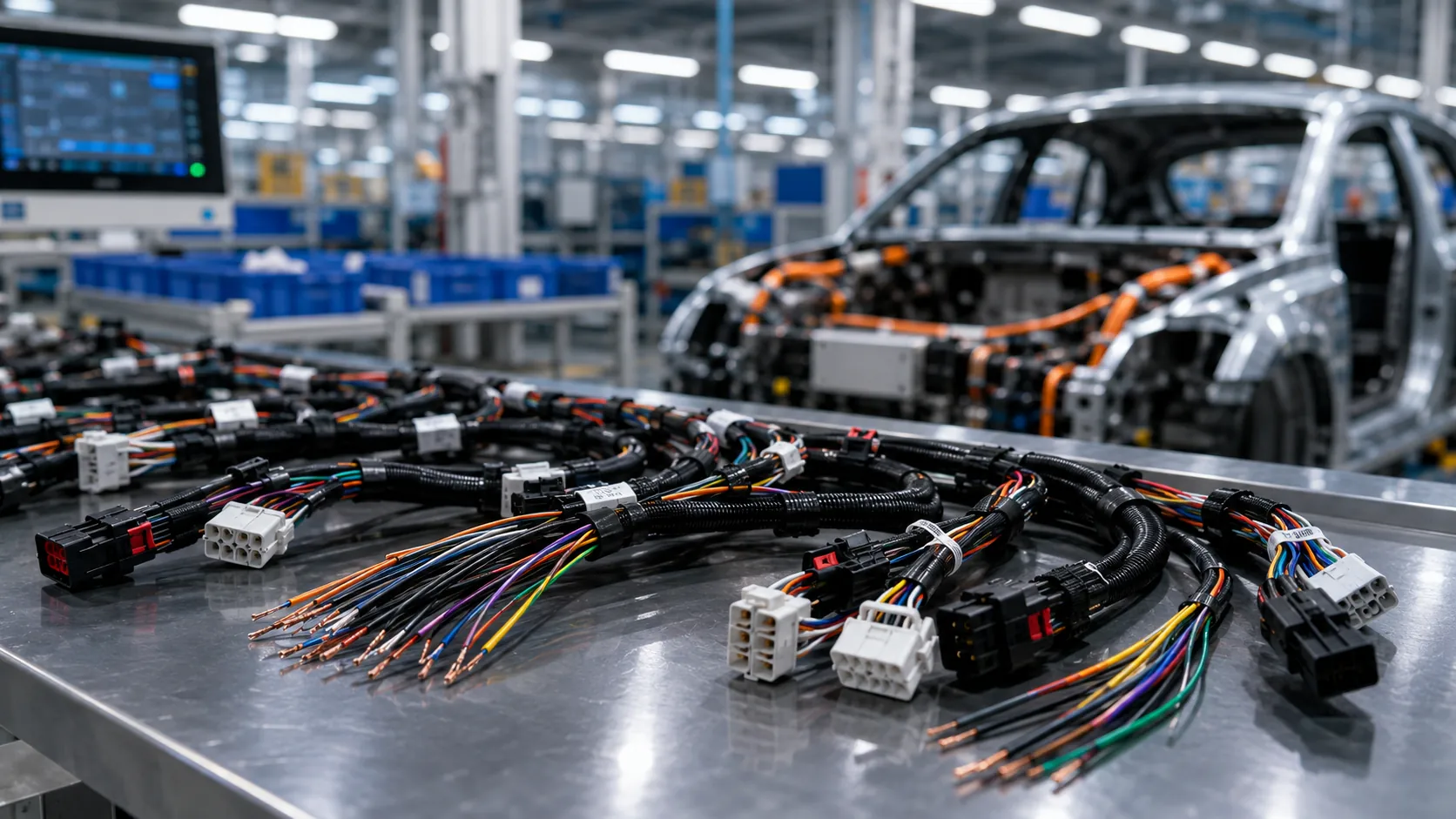
Automotive and EV wire harnesses and outdoor electrical harnesses often use weather seals to protect the terminal cavity from moisture and contamination. The seal must be positioned on the wire before the conductor is stripped and the terminal is crimped. Combining seal feeding, stripping and crimping reduces the number of times the wire end is repositioned during this sequence and supports one-wire or two-wire processing layouts.
Share your wire diameter, cable structure, insulation material and stripping length for application review.
Sedeke connects stripping, terminal feeding, crimping and finished-crimp inspection in one equipment range. The capability covers fine wire through 8T press applications, standard and multi-core cables, weather-seal processing and three independent crimp-verification methods.
AWG 32 to 8.0 mm wire | Press options up to 8T | Standard, multi-core and sealed-wire processing
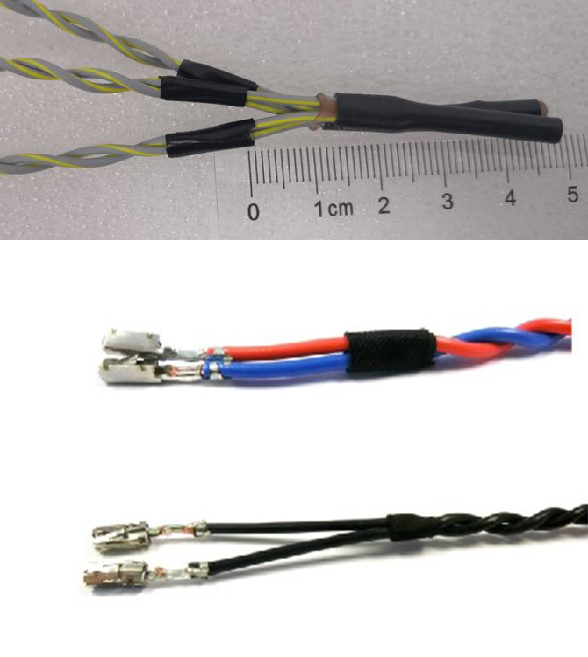
TM-15SC lists 0.05 to 0.1 mm stripping and positioning tolerances for AWG 32 to 18 wire. The servo-controlled TM-80SCS lists ±0.015 mm crimp-height tolerance in its 8T configuration. These figures provide model-specific references for fine-wire and higher-force production.
TM-20SCM combines stripping and continuous crimping for sheathed cables with up to 12 cores. TM-200SC and TM-200SCT add vibrator-fed weather seal insertion before stripping and crimping. This shortens multi-core and sealed-wire process paths.
TM-15SC and TM-20SCS cover fine wire stripping and crimping from AWG 32 to 18 with a 1 to 10 mm stripping range. TM-15SC uses pneumatic stripping and vacuum waste removal; TM-20SCS provides the servo-driven route.
Sedeke covers the 3T, 35 mm-stroke TM-30SC, the TM-80SCS 8T crimping machine with a 30 mm stroke, and the 2T or 4T TM-200SC/T with a 40 mm stroke. Crimp-height, pull-force and cross-section equipment verifies the finished connection.
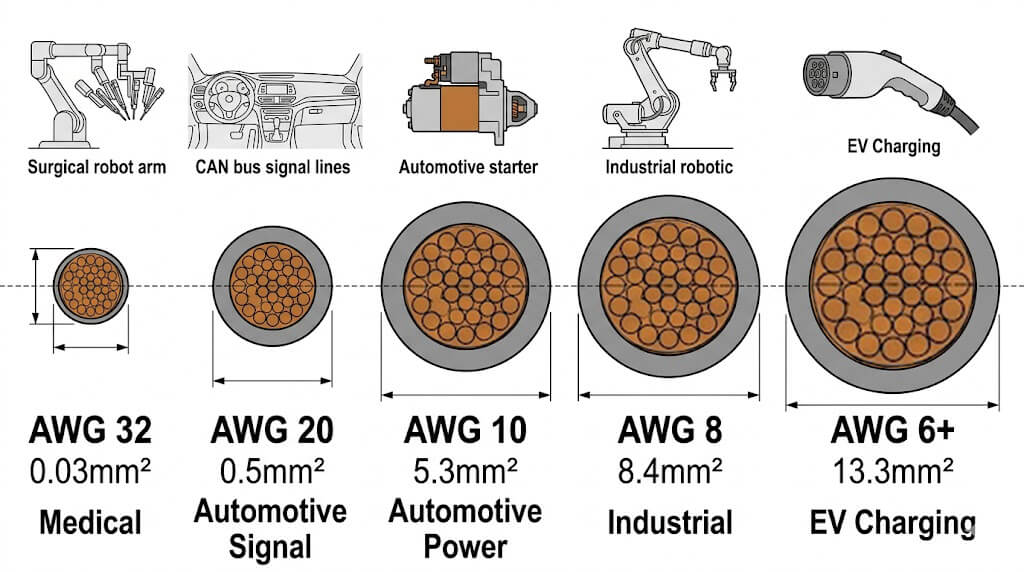
Include the cable OD, structure, material, strip length, number of layers and target output.
Sedeke has over 25 years of extensive experience in the field of industrial automation wire harness processing. The company operates three R&D and production bases and four major processing plants in Jiangsu and Zhejiang, China, and maintains technical support centers in Europe and Southeast Asia. Its products are sold in more than 50 countries and regions worldwide, and the company has registered its trademarks in nine countries, including Germany and India, demonstrating a mature global supply chain and service capabilities.
The company boasts a technically proficient and experienced R&D team, with a product line that comprehensively covers cutting, stripping, crimping, winding, and fully integrated automated equipment. In addition to offering a series of standardized rubber/plastic wire harness processing machines, Sedeke provides customized wire harness processing solutions that are innovatively optimized and perfectly tailored to meet specific customer requirements.
Sedeke’s equipment and technologies are widely used in high-end manufacturing industries such as automotive wiring harnesses, new energy, rail transit, aerospace, home appliances, power and telecommunications, and medical devices. They help drive the intelligent transformation of factories and serve as a reliable partner brand for industrial support.
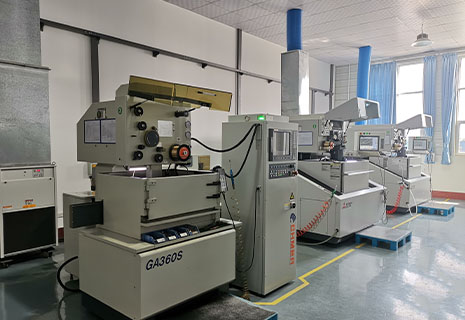
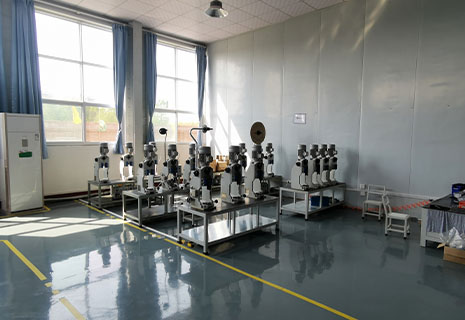
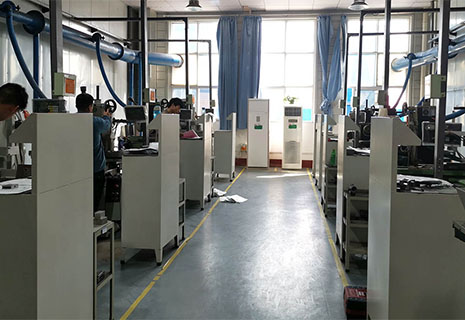
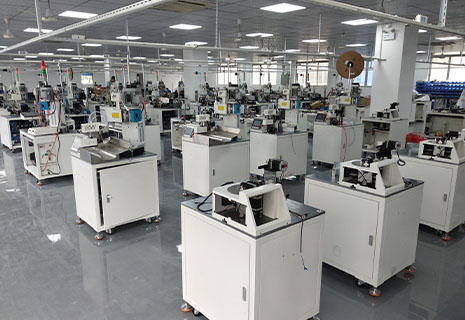
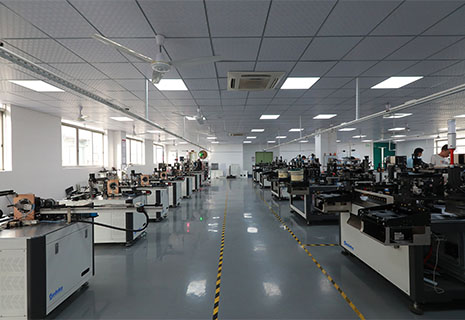
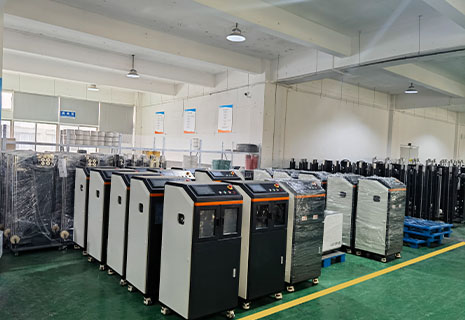
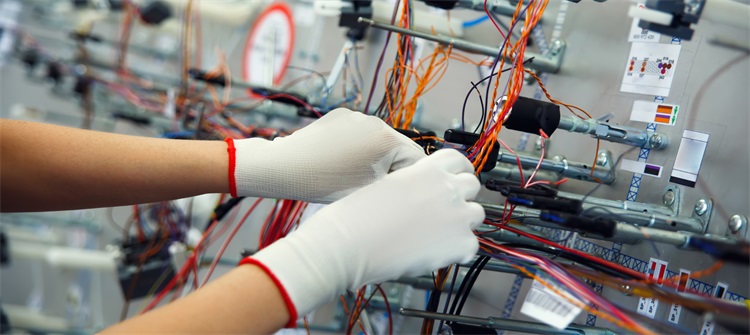
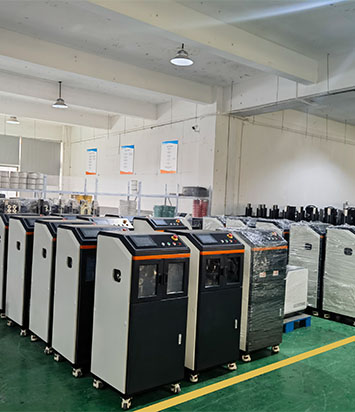
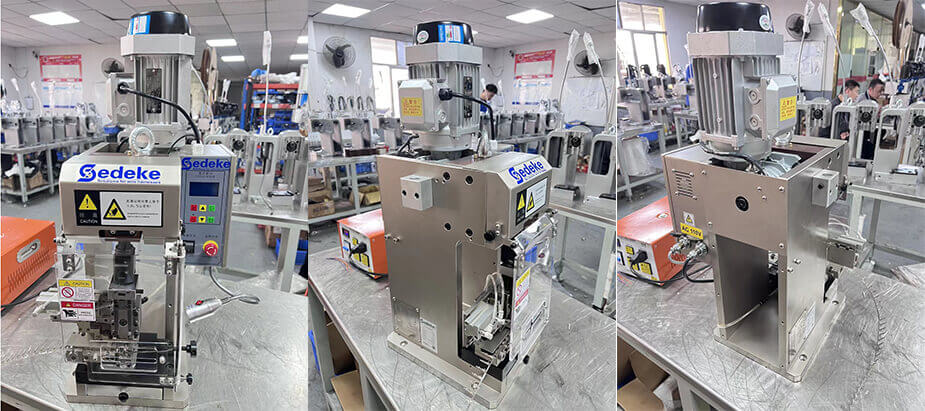
It is a wire-processing machine that strips insulation from a prepared wire end and crimps a terminal in the same operating cycle. Depending on the model, the process may cover a standard single wire, exposed conductors in a sheathed multi-core cable, or weather-seal insertion before stripping and crimping.
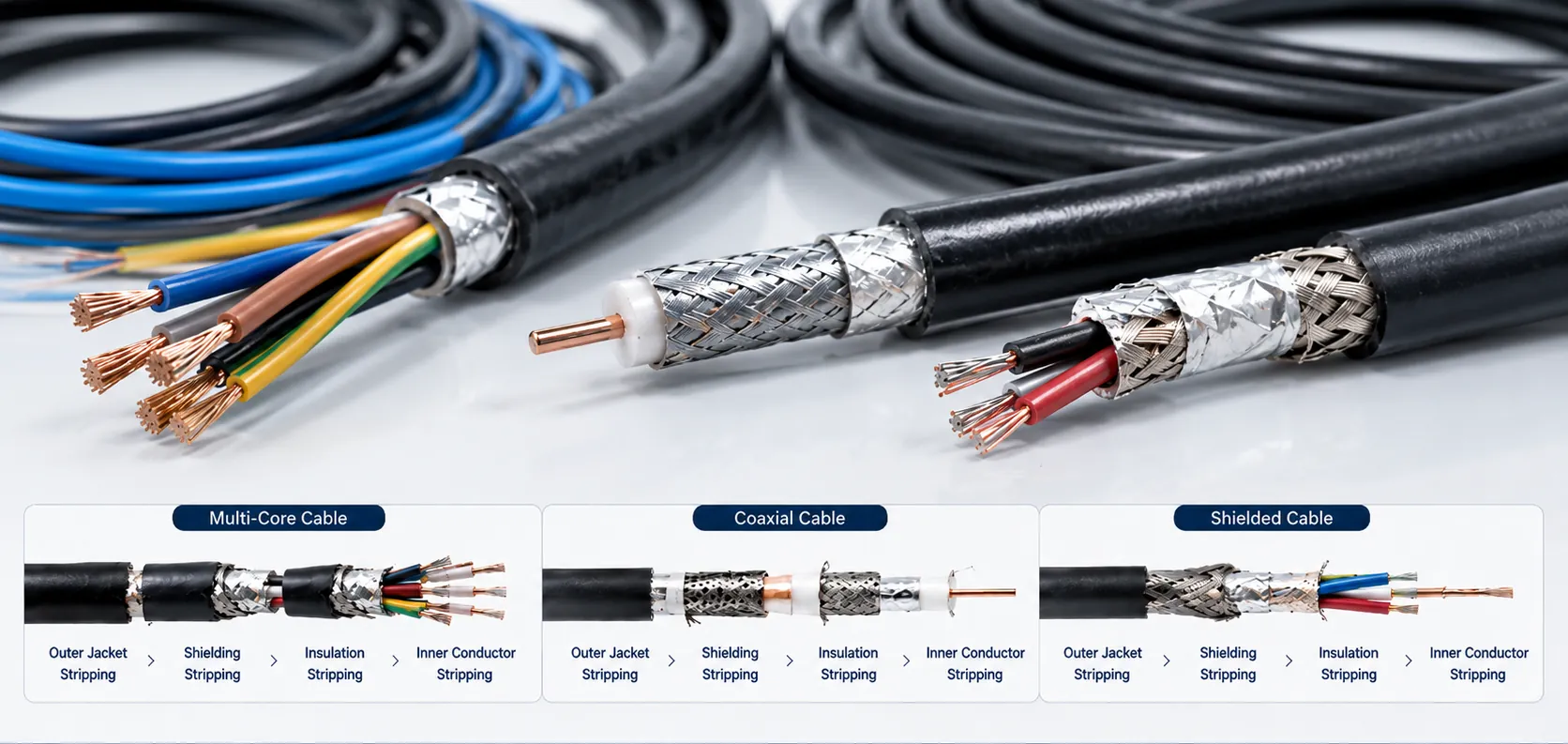
Start with the cable structure, wire diameter, insulation material, stripping length, stripping layers and required output. A fine wire, coaxial cable, braided shield cable and large industrial cable may require different stripping methods.
A pneumatic wire stripping machine uses compressed air and is suitable for simple bench-top stripping tasks. An electric wire stripping machine uses electric control and may offer sensor or foot pedal operation depending on the model
TM-15SC and TM-20SCS both list an AWG 32 to 18 wire range and a 1 to 10 mm stripping length. TM-15SC uses pneumatic stripping, while TM-20SCS is the servo stripping and crimping machine direction. The terminal, required press capacity, feed direction and tooling still determine the final choice.
These are separate processing routes in the current Sedeke range. TM-20SCM handles sheathed cables with up to 12 exposed inner conductors for stripping and continuous crimping. TM-200SC and TM-200SCT add weather-seal feeding before stripping and terminal crimping for one-wire or two-wire production.
Use the inspection method specified for the terminal and connection. Crimp-height measurement checks the finished dimension, pull-force testing checks mechanical retention, and cross-section analysis examines conductor compression and terminal formation. Integrated crimp force monitoring should not be assumed as standard and must be confirmed for the ordered configuration.