

Cut Strip Crimp
Move from loose wire to assembly-ready leads without the stop-start handling of separate cutting, stripping and termination stations. Sedeke wire processing machines bring the required operations into one automated route, with configurations for single- or double-end crimping, twisting, tinning, multi-wire processing and weather-seal insertion. Start with your finished-end drawing, then match the machine to the wire, terminal and production task.
Key Advantages
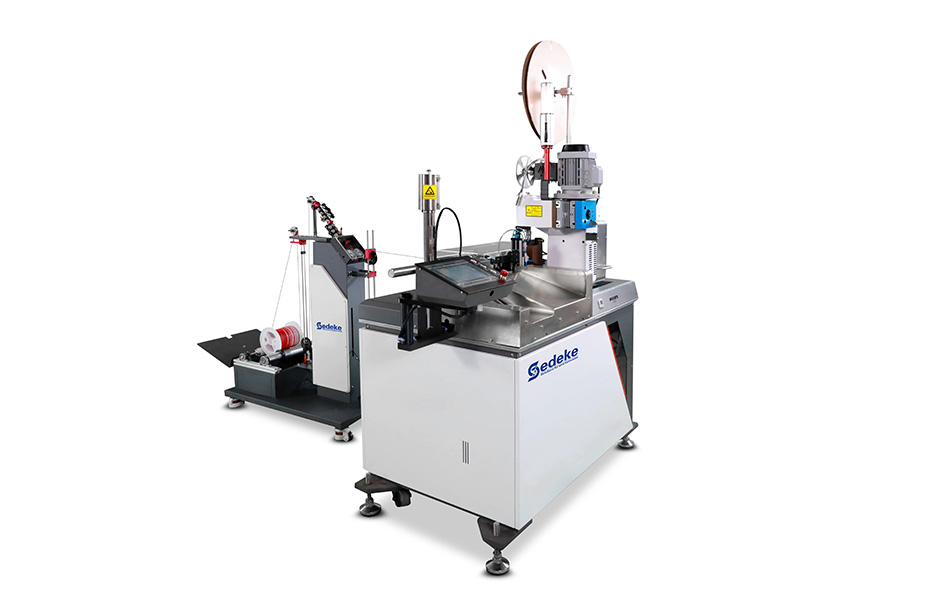
The right machine is determined by what must be present at each end of the finished wire. Start with the connection drawing, then compare the Sedeke configuration built for that process route.
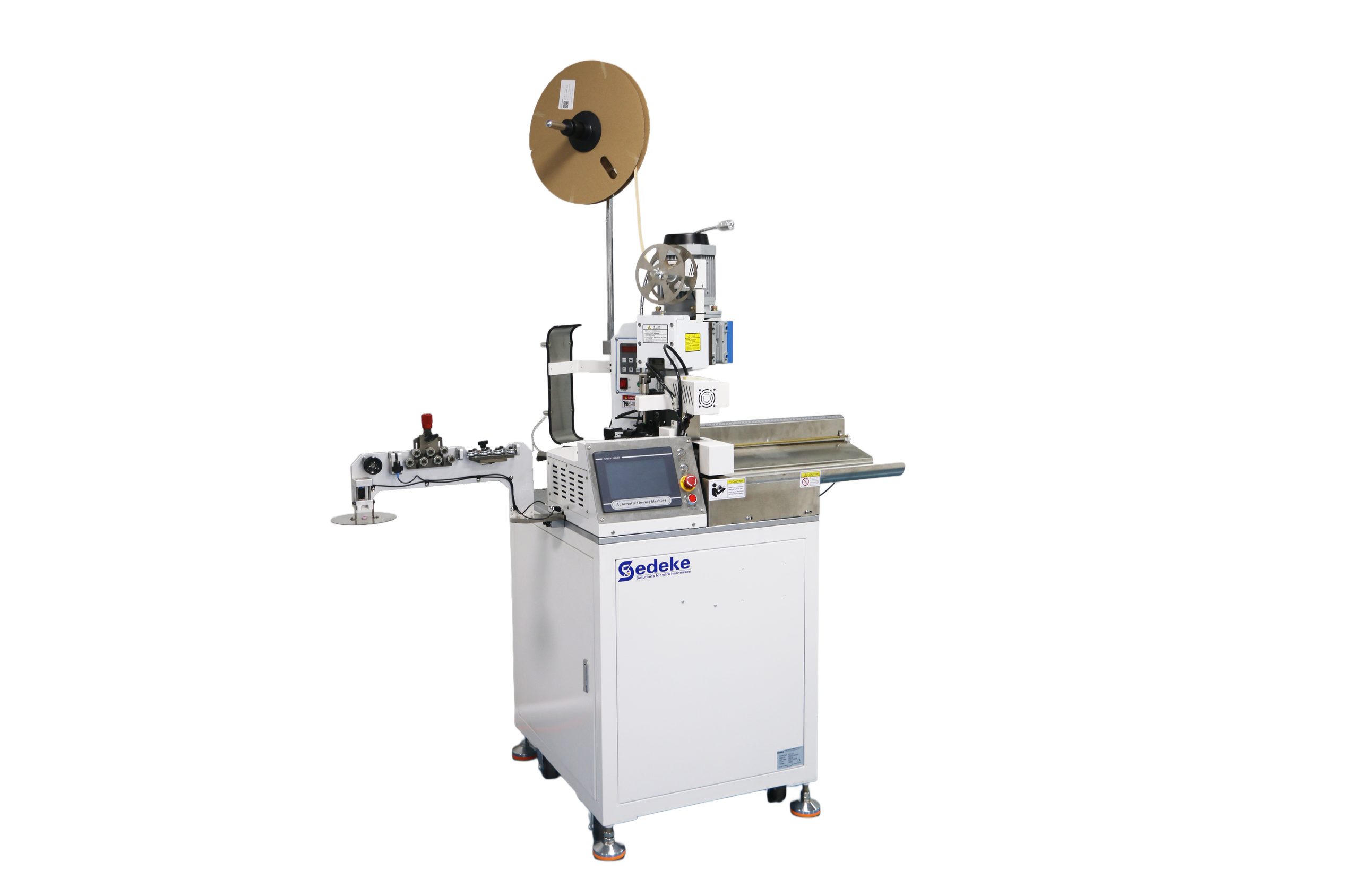
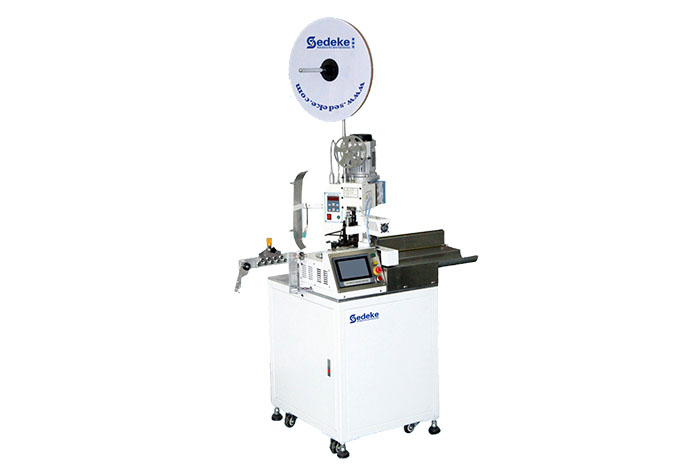
Choose this route when one end needs a terminal and the other end remains stripped or twisted for the next assembly step. The ACC-101 cuts the wire, strips both ends and completes single-end crimping within the same process. It gives manufacturers a direct path to prepared leads without adding a second terminal operation that the product does not require.
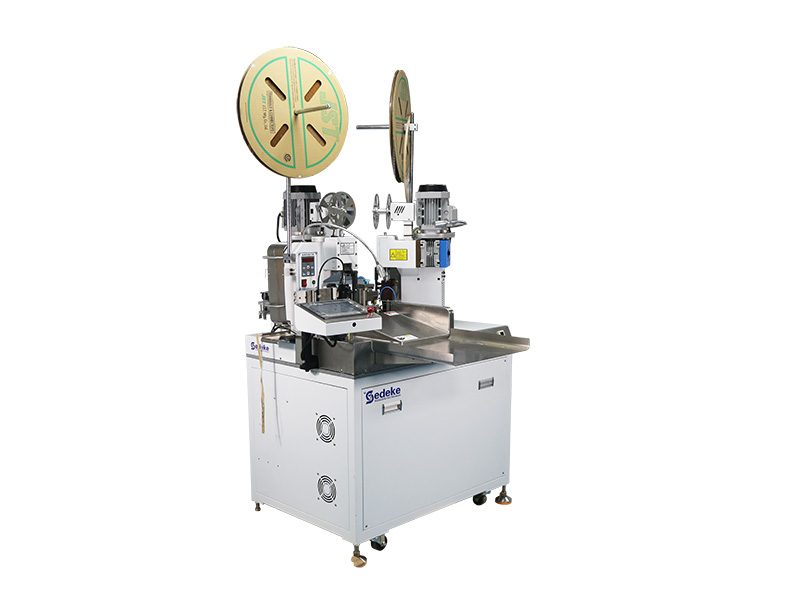
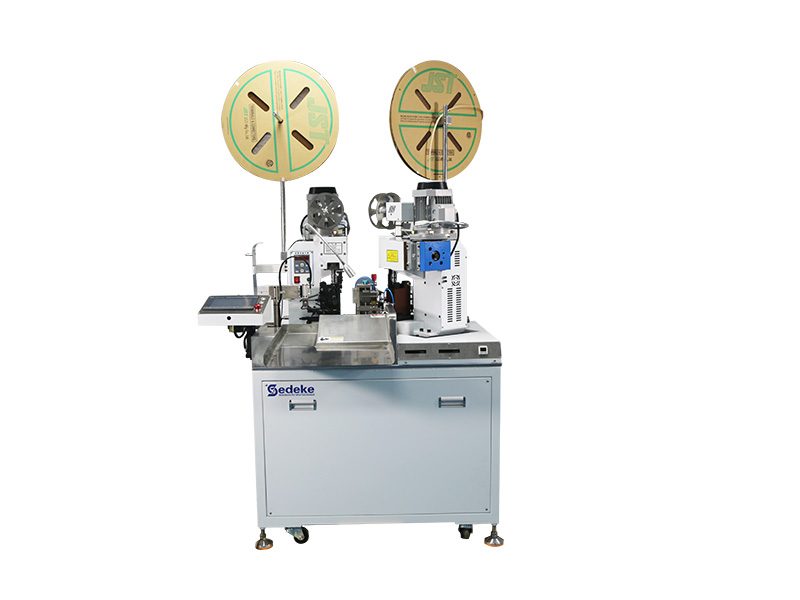
When the finished lead requires a terminal at both ends, ACC-102A combines wire feeding, cutting, stripping and double-end crimping in one production route. This configuration is intended for repeat leads with defined terminal requirements on both sides. Detection and alarm functions are available for confirmed machine conditions, while the terminal and applicator still need to match the actual job.
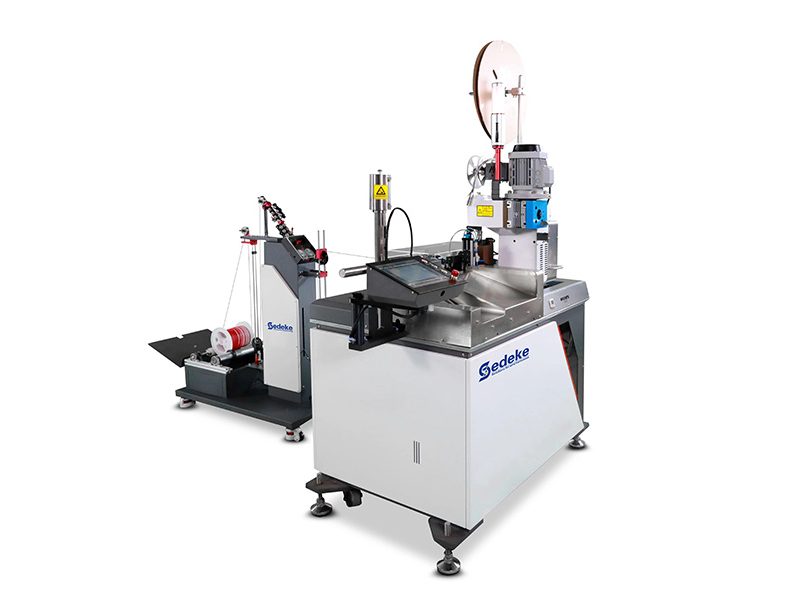
ACC-105 and ACC-106 are designed for leads that leave the machine with a crimped terminal on one side and a twisted or tinned conductor on the other. ACC-105 provides the combined end-treatment route for individual lead production. ACC-106 extends the same production idea to compatible multi-wire jobs and can process several wires under one setup when the material and finished-end requirements allow it.
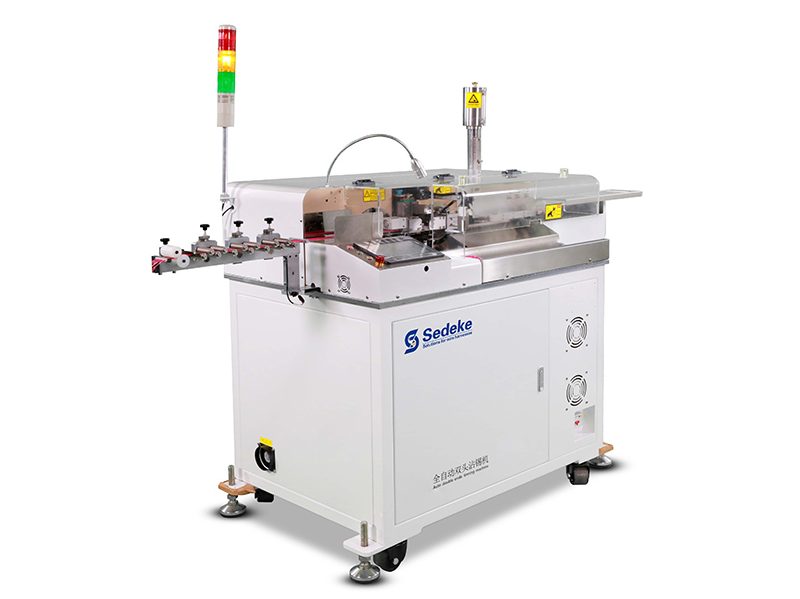
Not every prepared lead needs a crimped terminal. ACC-308 is the dedicated choice when the required output is cut, stripped, twisted and tinned wire, including jobs that require treatment at both ends. Keeping this route separate prevents buyers from paying for or planning around a crimping step that is not part of the finished product.
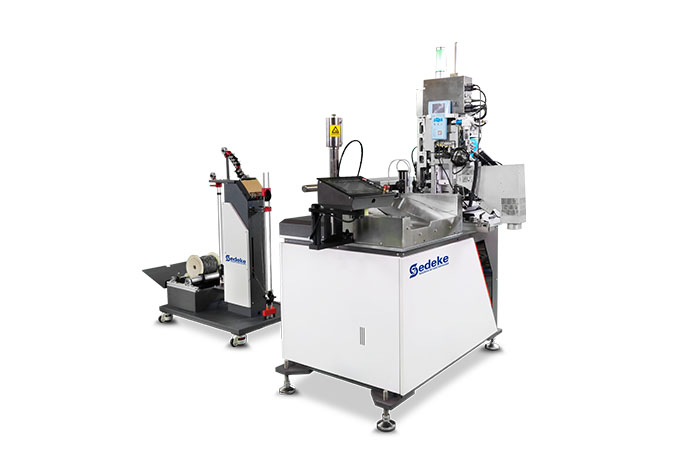
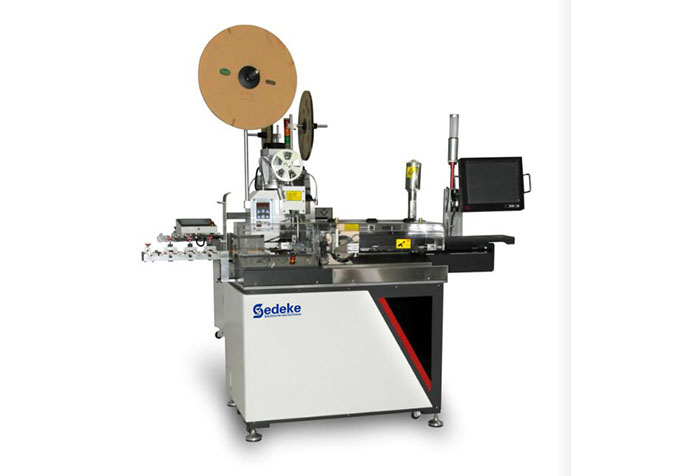
For sealed low-voltage connections, ACC-107 combines weather-seal insertion and terminal crimping on the A side with stripping, twisting and tinning on the B side. Its process route also includes confirmed checks for terminal compression, wire presence, wire knotting, air pressure and weather-seal presence. This makes it the relevant configuration when the drawing requires both a sealed terminal and a prepared conductor end.
Start with the required wire ends, then compare wire range, processing length and output under the stated condition. A larger number has little value when the machine’s terminal route does not match the drawing.
| Model | Finished wire-end route | Processing window | Production reference |
|---|---|---|---|
| ACC-101 | One end crimped; required ends stripped or twisted | AWG 18-30; twisted length 20-9,999 mm; untwisted length 8-9,999 mm | About 3,800 pcs/h at 100-200 mm with twisting; 4,000-5,000 pcs/h at 300 mm without twisting |
| ACC-102A | Both ends stripped and crimped | Length 30-9,999 mm; terminal pitch 1.25-3.96 mm for the stated tooling direction | About 3,200-3,600 pcs/h, depending on wire length and size |
| ACC-105 | One end crimped; opposite end stripped, twisted or tinned | Length 13-99,999 mm; A-side stripping 0-10 mm; B-side stripping 0-15 mm | About 3,000-3,600 pcs/h without twisting; 2,200-2,300 pcs/h with twisting under the stated 100-600 mm condition |
| ACC-308 | One or both ends stripped, twisted and tinned; no crimping operation | Length 10-600 mm; customized direction up to 1,500 mm | Output depends on the actual wire and tinning route |
| ACC-106 | One end crimped, the other tinned; compatible multi-wire processing | AWG 18-32; length 10-600 mm; shortest stated setup 8 mm | About 2,700-3,000 or 4,000-6,500 pcs/h, depending on gauge and wire count |
| ACC-107 | A side seal insertion and crimping; B side stripping, twisting and tinning | Standard AWG 32-18; customized AWG 18-14; length 15-9,999 mm | About 1,600-1,800 pcs/h with twisting, tinning and seal functions; 2,500-2,800 pcs/h with those functions closed |
Production figures are tied to the stated wire, length and enabled operations; they are not a shared speed range for the series. Before comparing output, match the terminal, applicator and finished-end drawing to the intended job, then validate the selected setup with production samples.
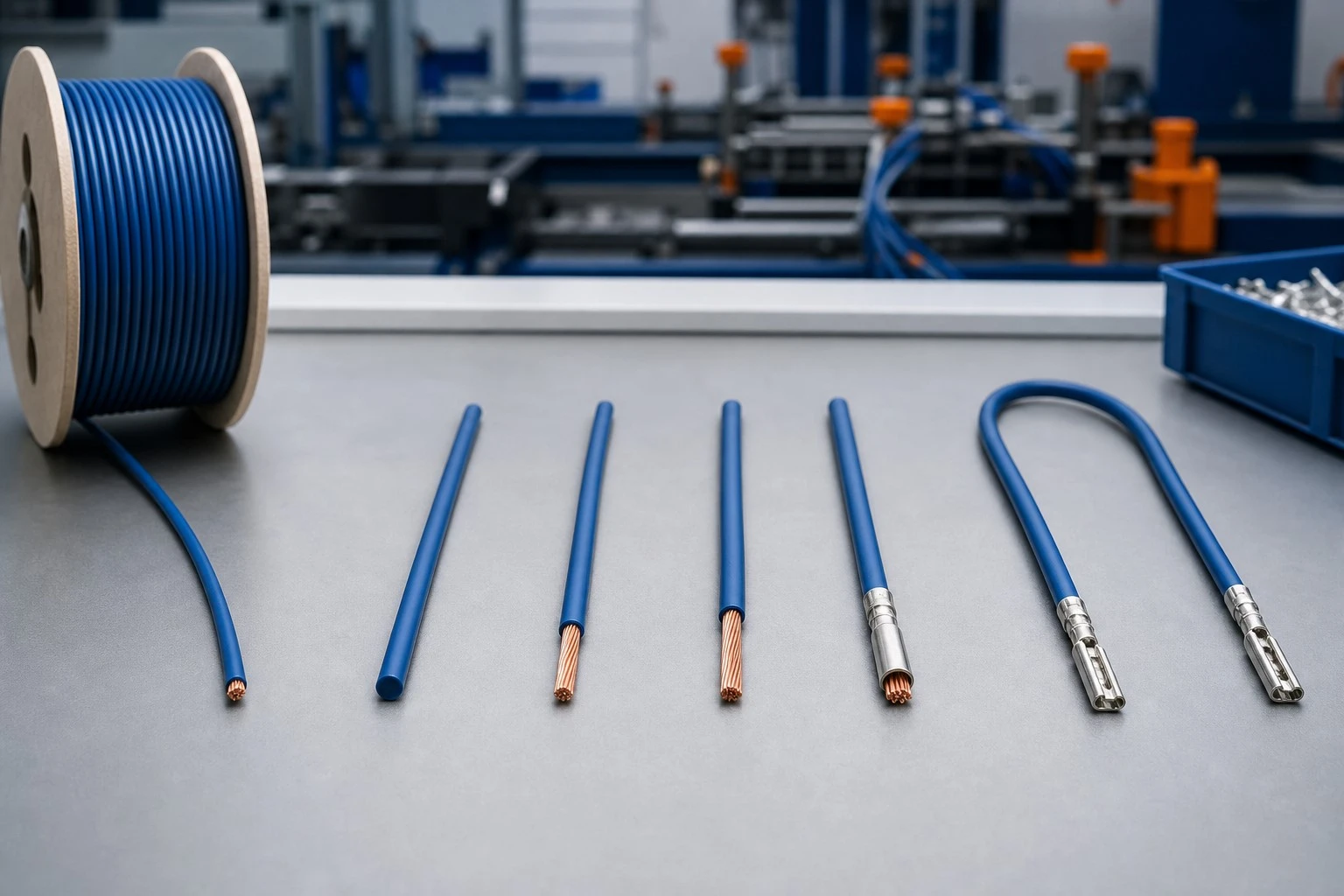
Feeding, cutting, stripping and end treatment work better as a connected job than as unrelated production orders. The wire keeps moving through the operations required for that job, while production control remains focused on one defined output. This reduces the number of points where partly processed material must be collected, counted, labelled and moved to another station.
The commercial value is not limited to machine speed. Fewer handoffs can mean less work-in-process on the floor, clearer batch ownership and fewer opportunities for similar wires to enter the wrong finishing operation. The result is a production route that is easier to follow from raw wire to finished lead.
Equipment selection often becomes confusing when buyers begin with a list of machine functions. A better starting point is the finished connection: what must be present on the A end, what must be present on the B end, and what should the next workstation receive?
Once that result is clear, the workflow can be built around only the required operations. A lead may need a terminal on one end and a tinned conductor on the other. Another may require terminals at both ends, a sealed connection, or no terminal at all. The drawing determines the route; unnecessary operations should not determine the investment.
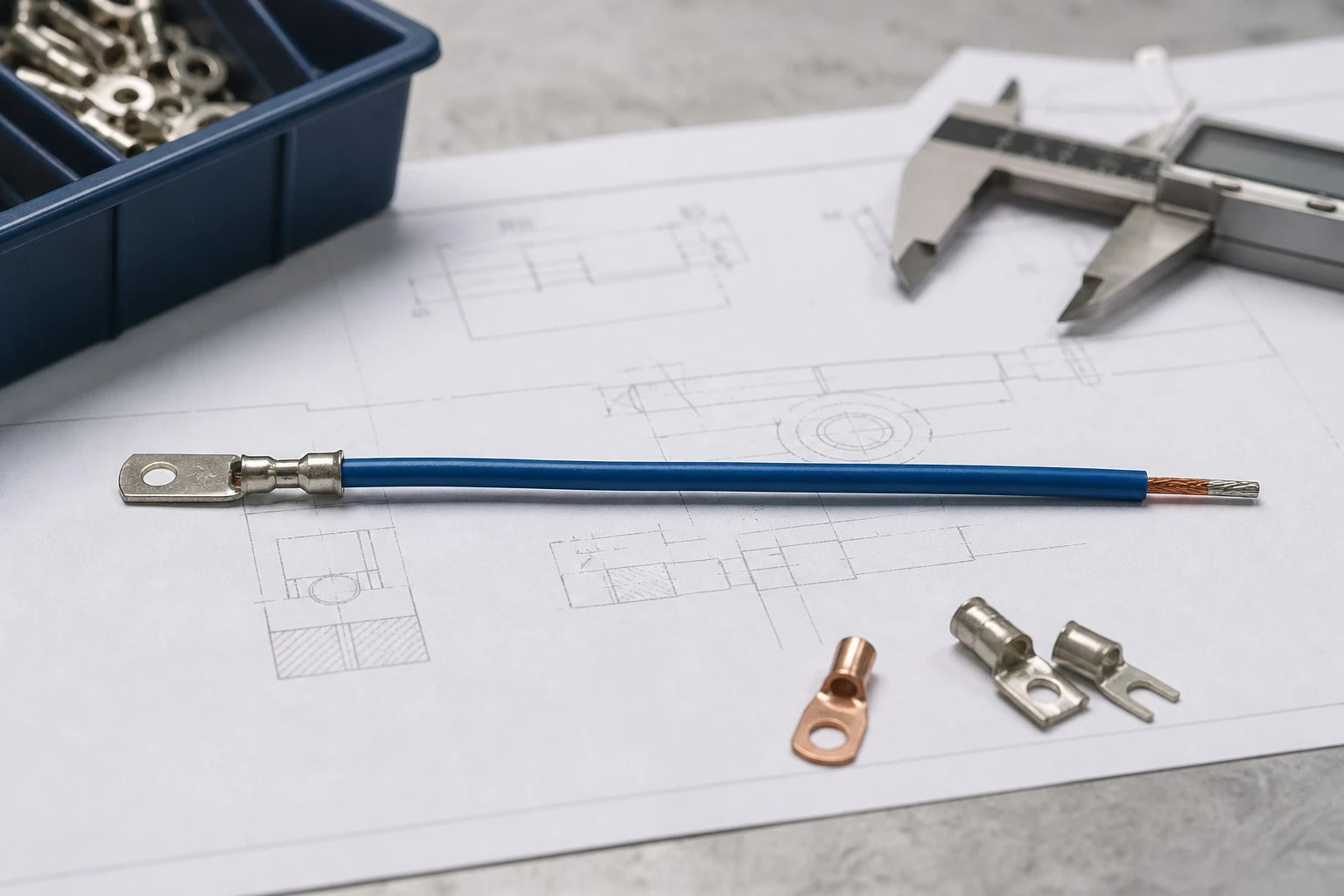
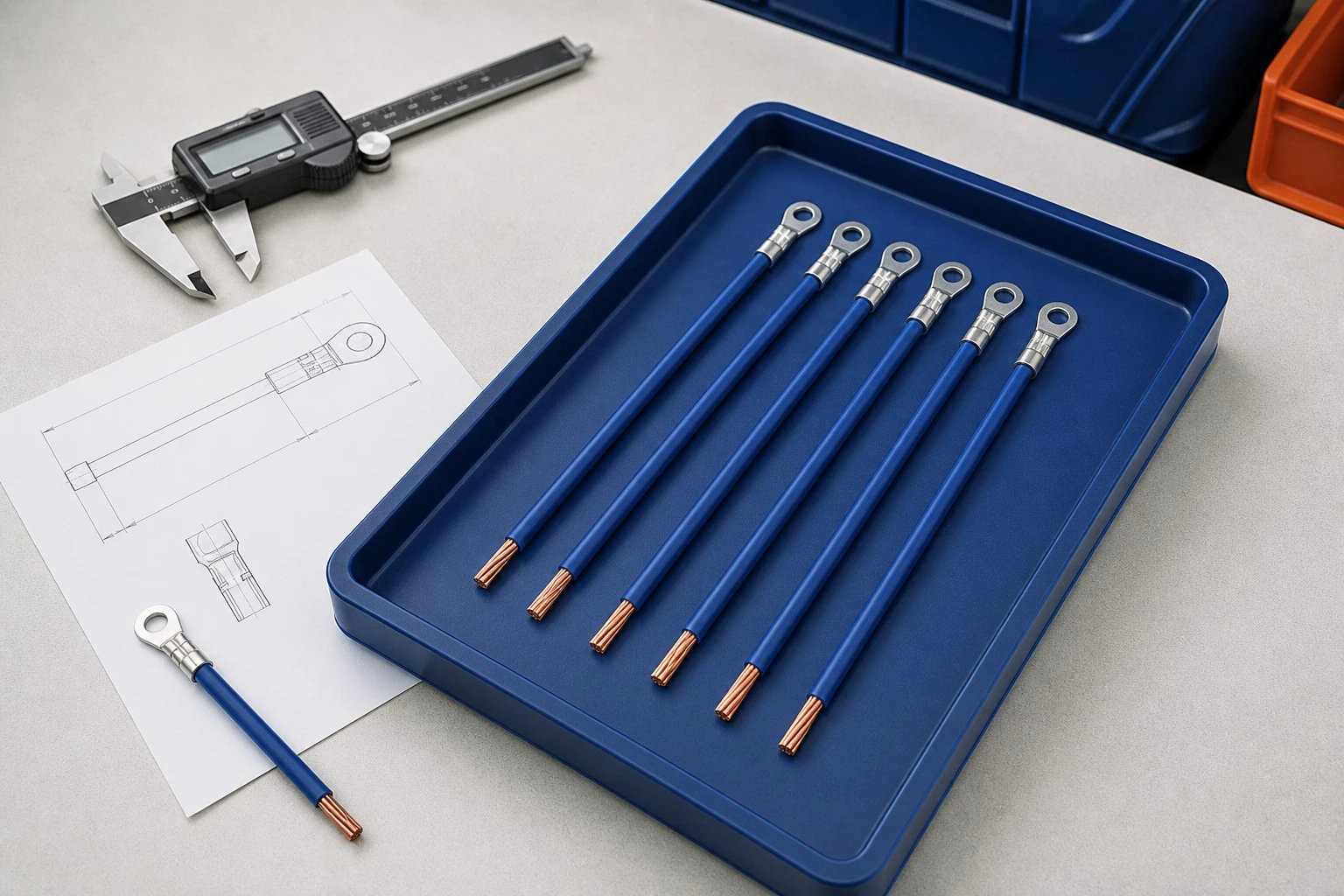
Finished length, exposed conductor and end treatment belong to the same production job. Keeping them within one route makes it easier to manage the wire as one defined product rather than several disconnected batches. When the wire or connection changes, the production team can review the complete finished-lead requirement instead of coordinating separate instructions across cutting, stripping and finishing stations.
This does not remove the need for correct setup or first-piece approval. It gives those controls a clearer purpose: confirm the finished lead once, then run the job against the same defined result.
The real output of wire processing is not a cut length or a stripped end. It is a lead that can move into connector insertion, taping, electrical testing or final harness assembly without returning for another basic end-preparation step.
That boundary matters when comparing equipment. A complete harness may still require several downstream processes, but the wire-preparation stage should finish the work it was selected to perform. Buyers can then judge the workflow by a practical question: does the next workstation receive the lead it needs, or another batch waiting for correction?
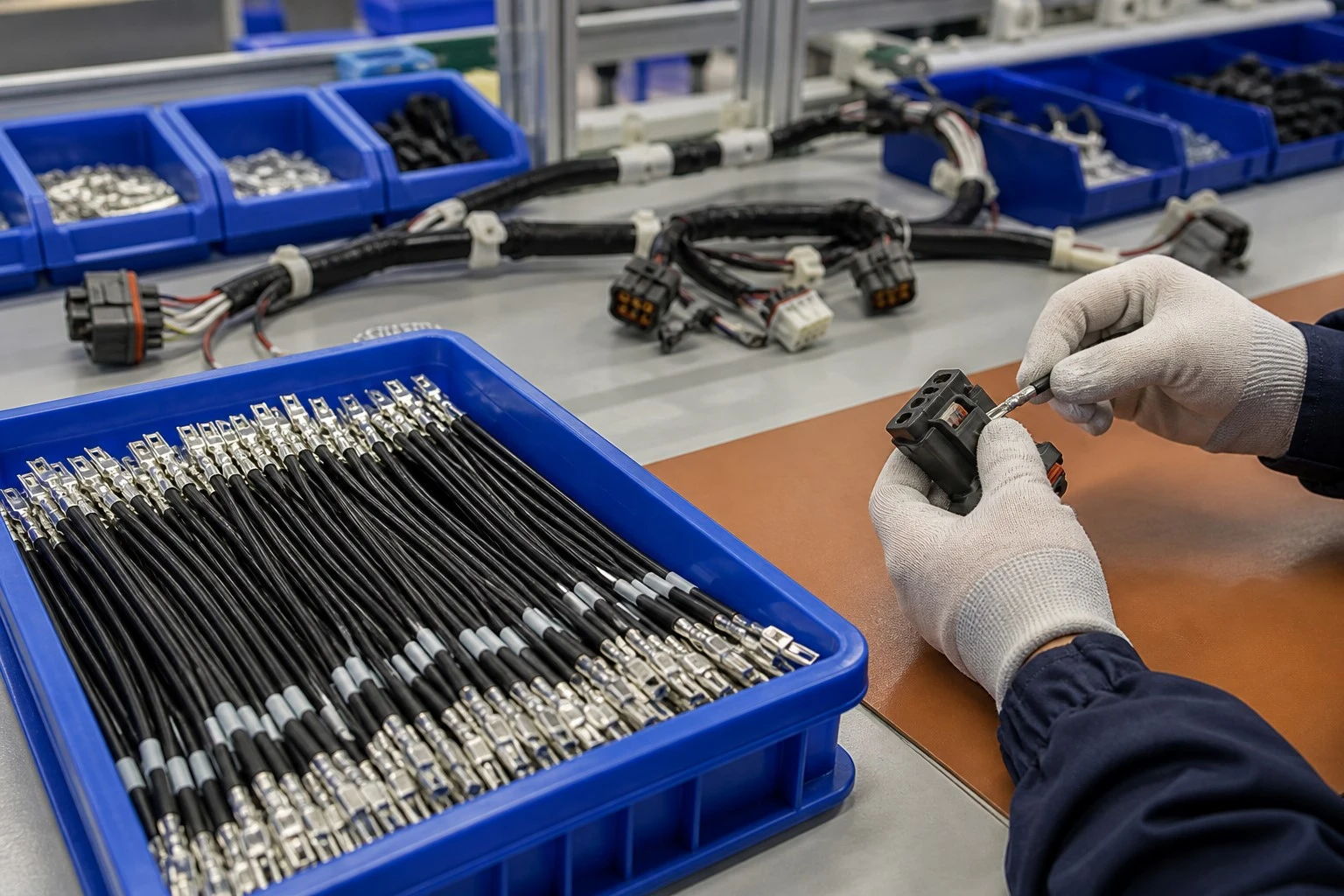
Does the next workstation receive the lead it needs, or another batch waiting for correction?
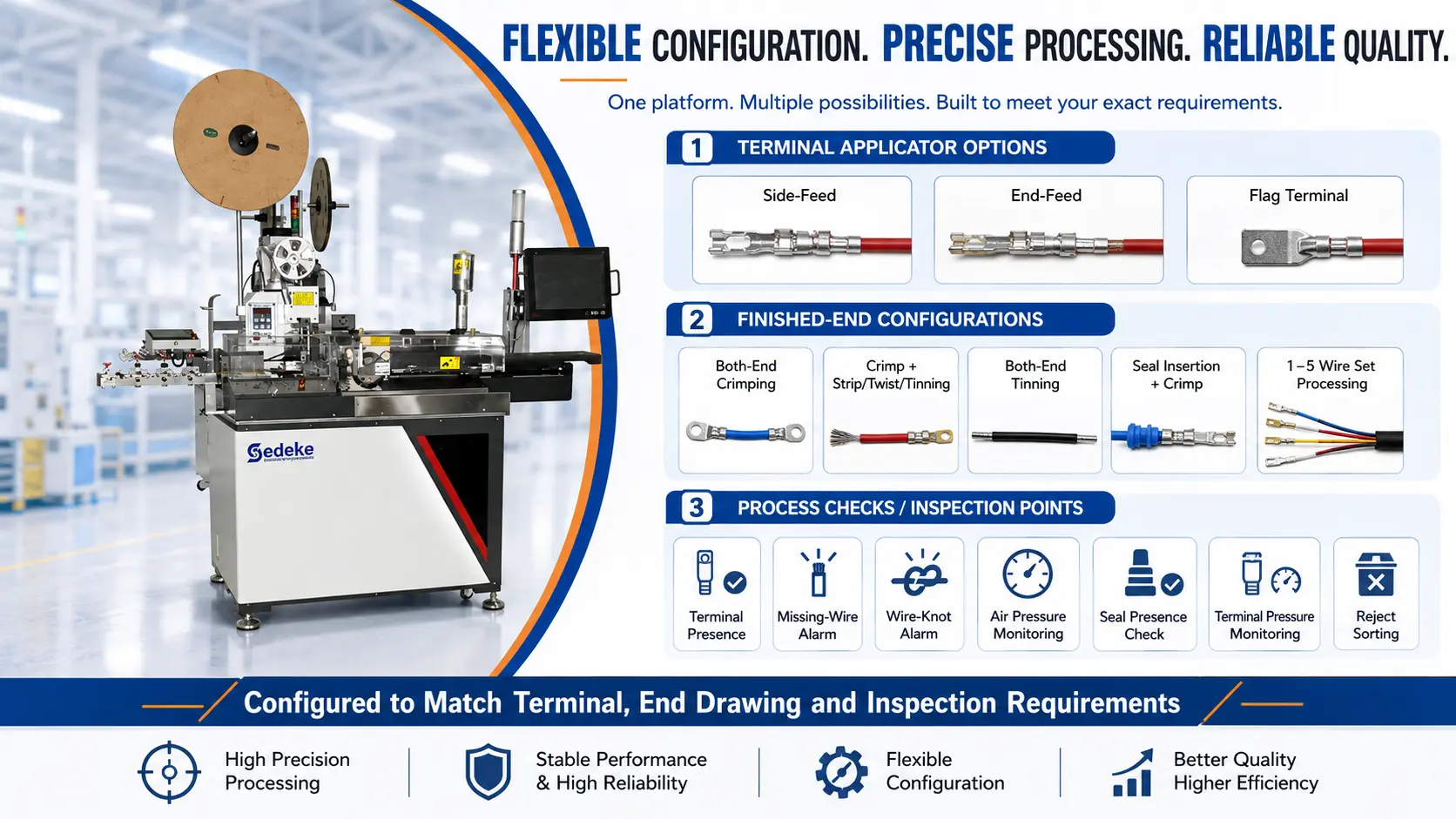
A wire processing machine becomes useful only when its tooling and end sequence match the connection being produced. Sedeke configurations cover side-feed, end-feed and flag-terminal tooling, so the terminal applicator can follow the actual carrier and terminal presentation instead of treating every feed format as interchangeable. The finished lead can be configured for terminals on both ends; a crimped terminal on one end with stripping, twisting or tinning on the other; one- or both-end tinning without crimping; or weather-seal insertion and crimping on the A end with a prepared or tinned B end. A dedicated multi-wire route can process 1–5 compatible, same-gauge wires for repeated lead sets. Process checks can also be placed where they matter: terminal presence at the crimping station, missing-wire and wire-knot alarms during feeding, air-pressure monitoring for pneumatic functions, and seal-presence checking before crimping. Selected routes can add terminal-pressure monitoring and reject sorting. These choices turn a broad model shortlist into a production configuration tied to the terminal, finished-end drawing and required inspection points, which can then be demonstrated with actual wire and terminal samples before the order moves forward.
Harness taping changes with assembly size, routing density and workpiece access. The task may involve isolated joints, long trunks, protective conduits or completed assemblies that cannot follow a fixed path.
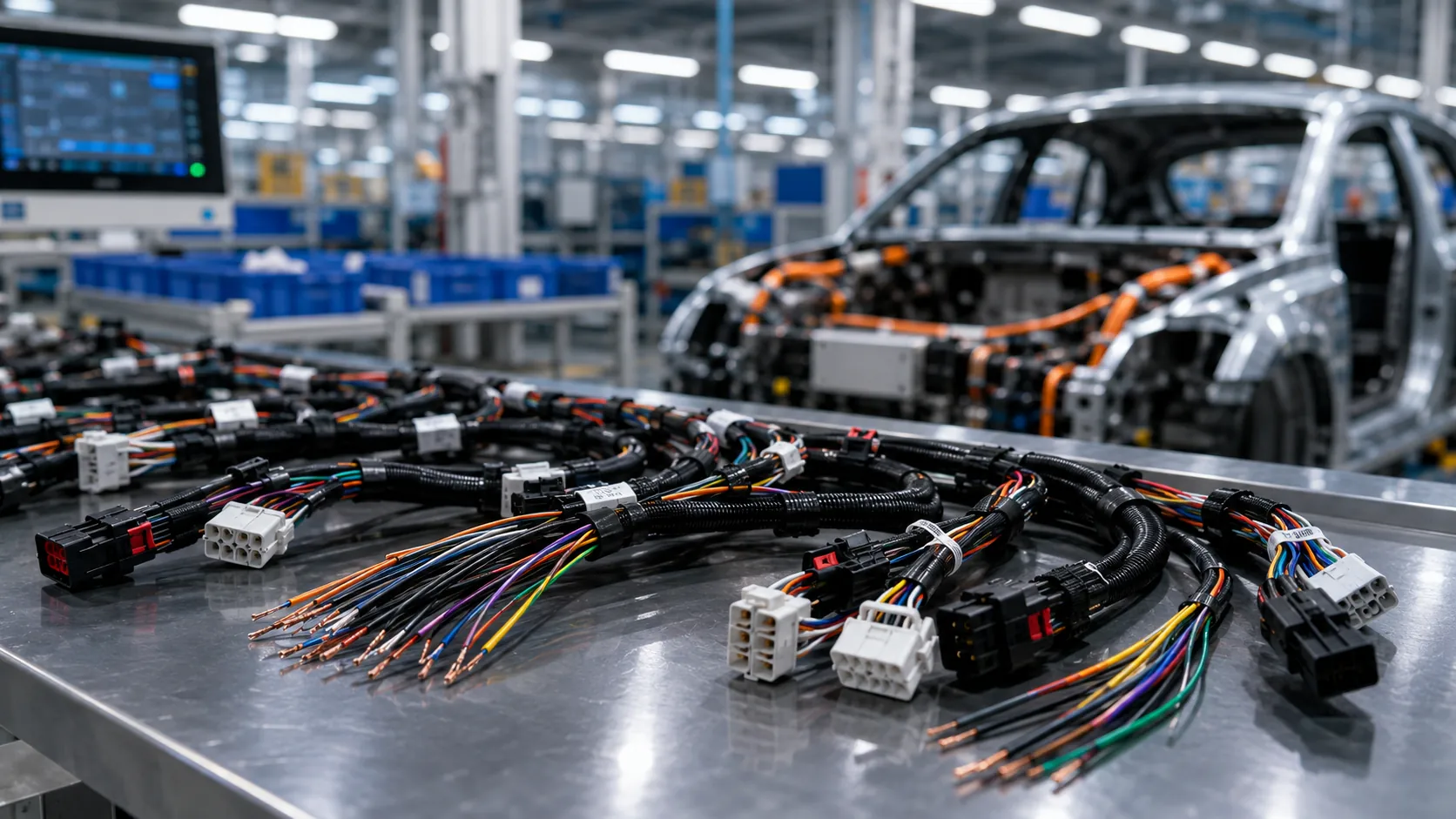
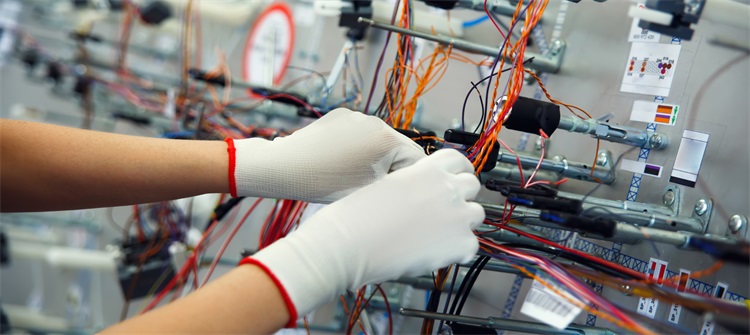
Low-voltage harness production may combine defined wire lengths with crimped terminals, prepared conductors or weather-sealed connections. Stable end preparation helps each lead enter connector loading and harness assembly in the required condition.
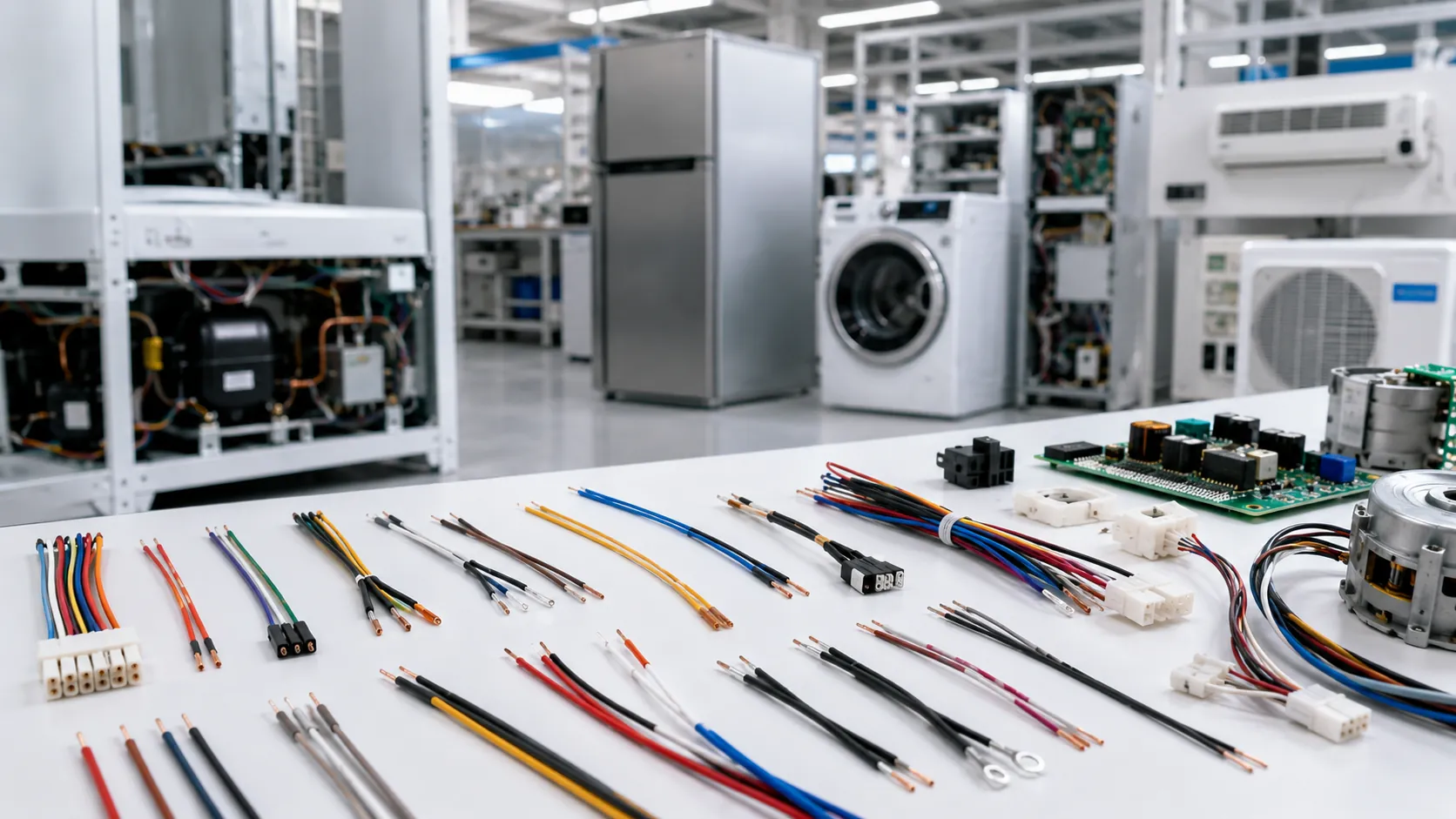
Appliance controls, motors and electronic assemblies use small-gauge leads with different end treatments. Consistent cut lengths and terminal or tinned ends simplify repetitive connection work across production batches.
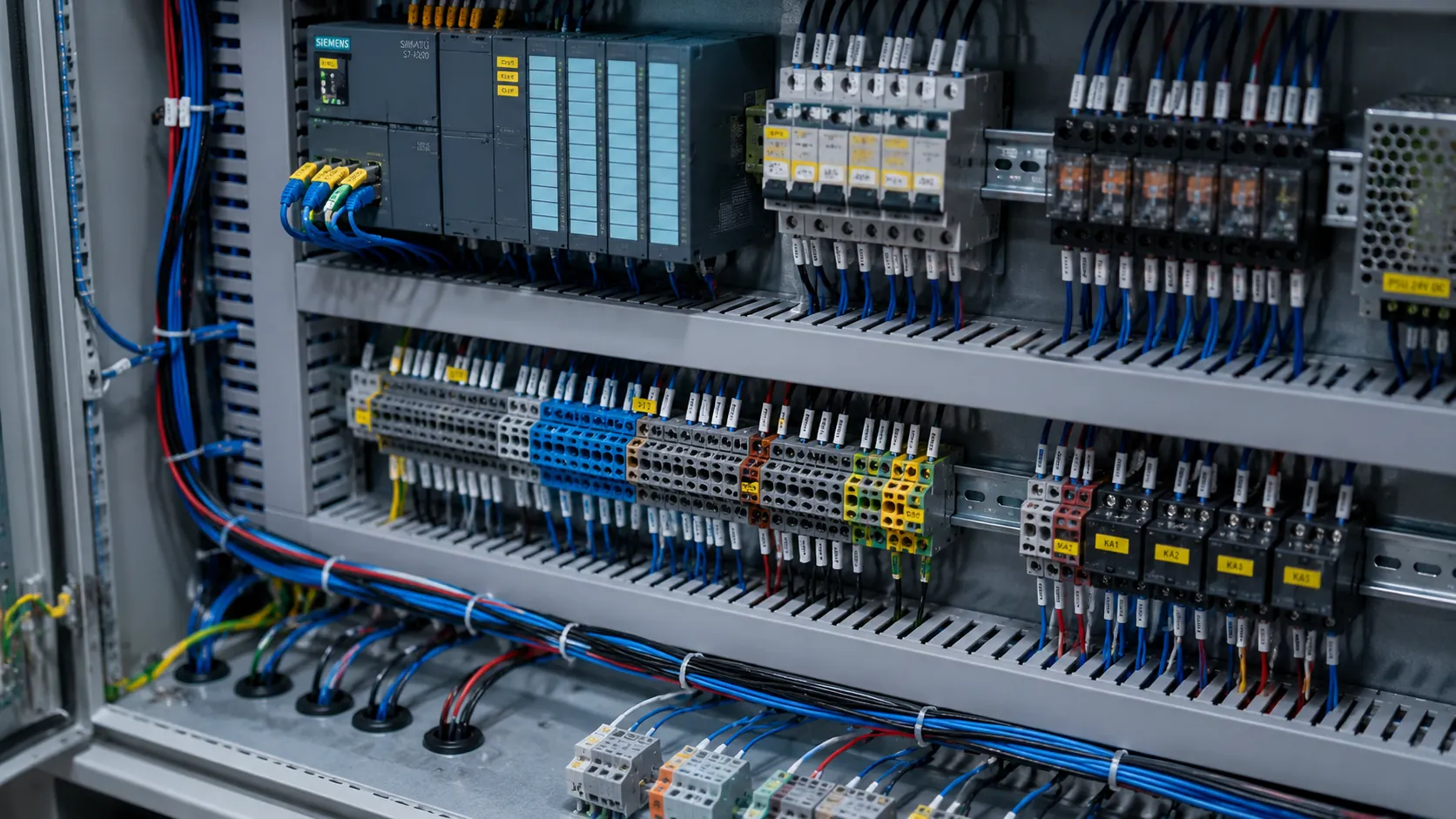
Control and signal wires must fit planned routing distances and termination points. Prepared leads can move into terminal blocks, controllers, sensors and other automation assemblies without rebuilding the wire-end process at the assembly bench.
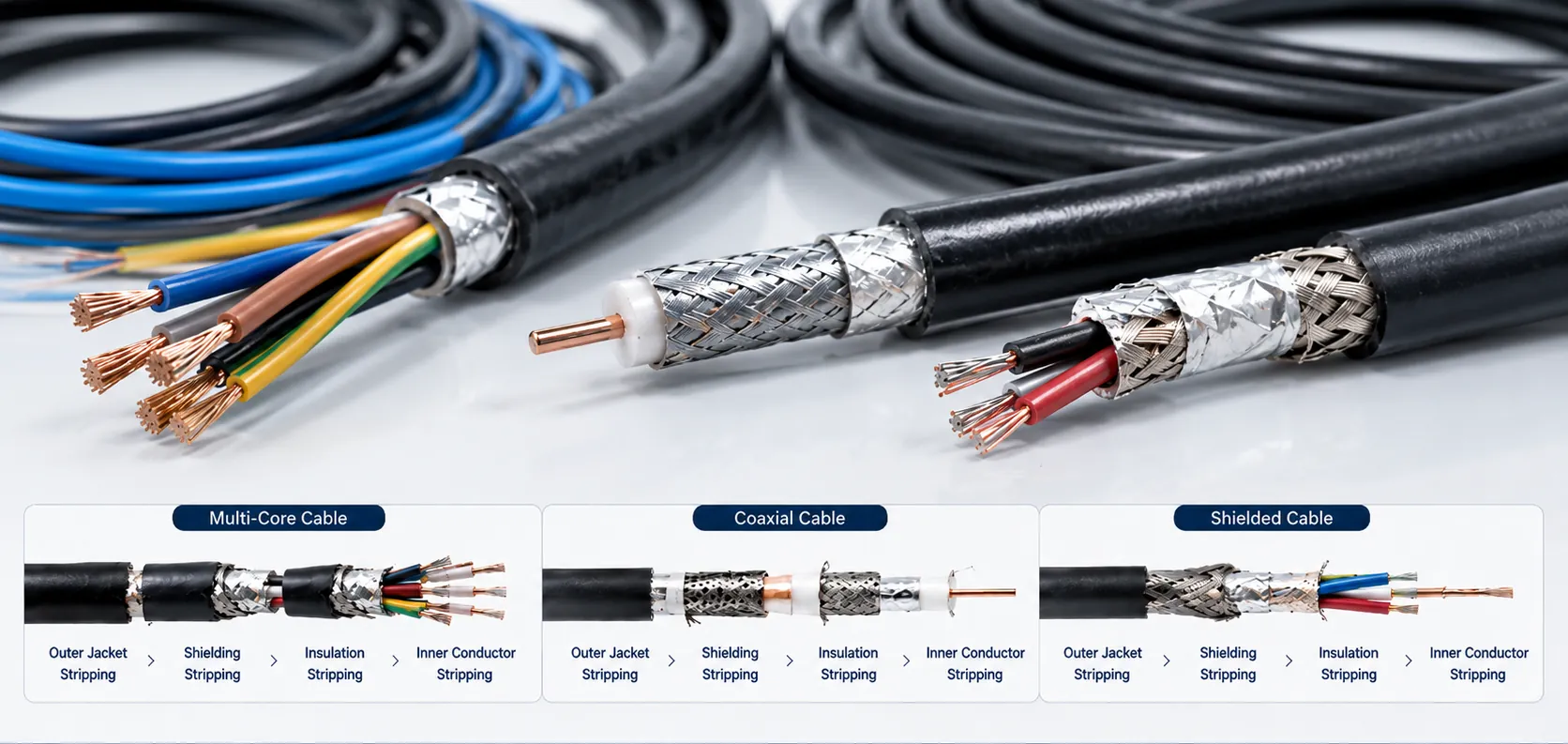
Products with repeated internal connections may require several compatible wires with the same length and end definition. Processing them as a controlled set supports orderly downstream insertion, routing and final assembly.
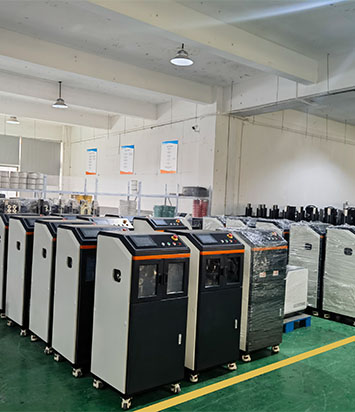
Sedeke has over 25 years of extensive experience in the field of industrial automation wire harness processing. The company operates three R&D and production bases and four major processing plants in Jiangsu and Zhejiang, China, and maintains technical support centers in Europe and Southeast Asia. Its products are sold in more than 50 countries and regions worldwide, and the company has registered its trademarks in nine countries, including Germany and India, demonstrating a mature global supply chain and service capabilities.
The company boasts a technically proficient and experienced R&D team, with a product line that comprehensively covers cutting, stripping, crimping, winding, and fully integrated automated equipment. In addition to offering a series of standardized rubber/plastic wire harness processing machines, Sedeke provides customized wire harness processing solutions that are innovatively optimized and perfectly tailored to meet specific customer requirements.
Sedeke’s equipment and technologies are widely used in high-end manufacturing industries such as automotive wiring harnesses, new energy, rail transit, aerospace, home appliances, power and telecommunications, and medical devices. They help drive the intelligent transformation of factories and serve as a reliable partner brand for industrial support.
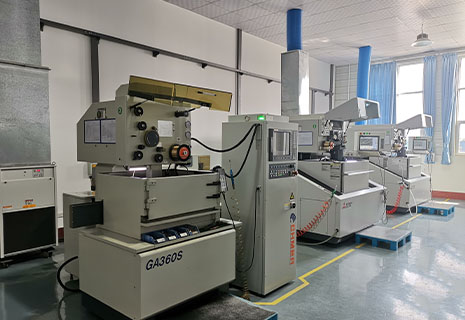
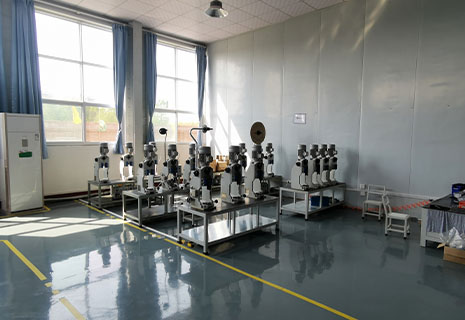
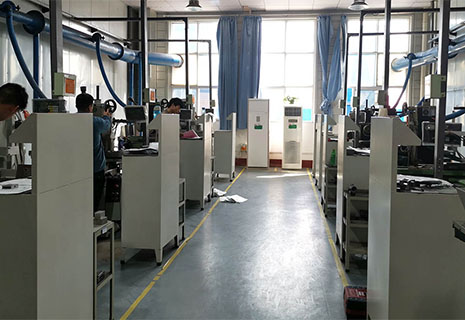
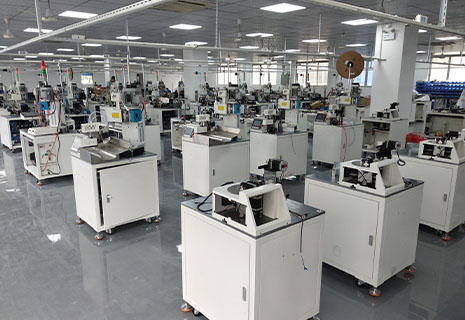
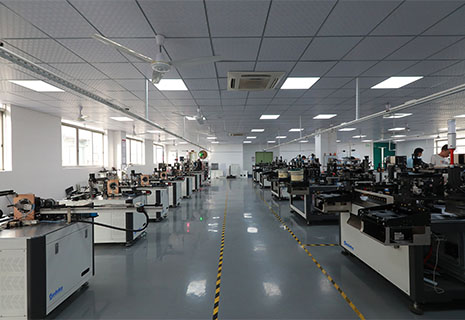
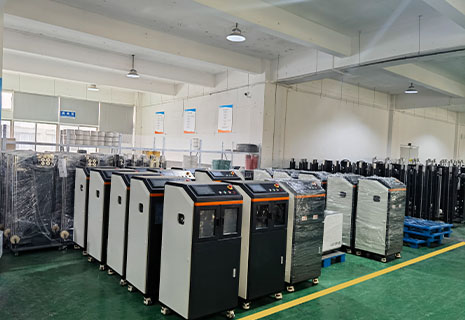
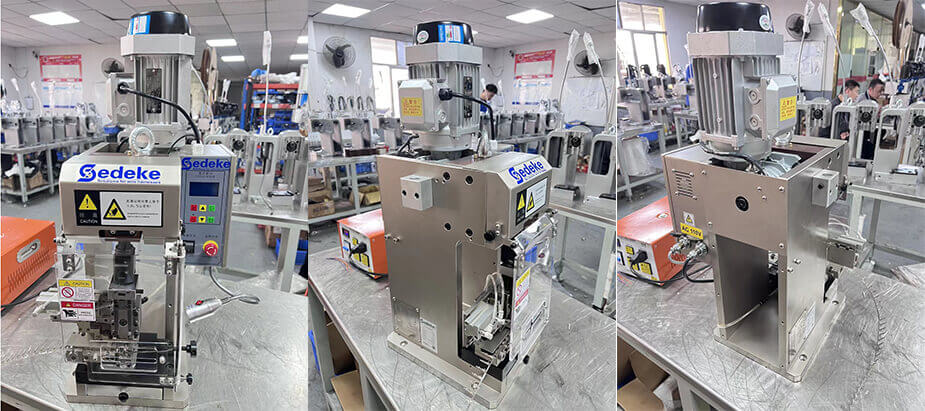
A wire processing machine prepares wire for assembly by completing defined operations such as measuring, cutting, stripping and end treatment. This Sedeke range adds selected crimping, twisting, tinning and weather-seal insertion routes.
Single-end crimping places a terminal on one wire end while leaving the other end stripped or otherwise prepared. Both-end crimping applies the specified terminal treatment to both ends in one processing route.
Yes. Selected Sedeke configurations combine terminal crimping at one end with stripping, twisting and tinning at the other. Compatibility still depends on the actual wire, terminal, applicator and required finished-end drawing.
Actual output depends on wire length and gauge, enabled operations, twisting or tinning requirements and the number of wires processed together. Compare speeds only when the stated test conditions match the intended job.
No. This six-machine collection prepares cut wire and specified end treatments. Connector insertion, routing, taping, electrical testing and final harness assembly remain separate unless they are included in another validated production system.