

Peripherials
Give your cutting or stripping machine a controlled material supply instead of making it pull directly against the reel. Sedeke PF-series automatic wire prefeeders separate payout from processing and provide distinct configurations for different supply packages, cable sizes and production layouts—from loose rings to industrial drums—without forcing every line into one feeding structure.
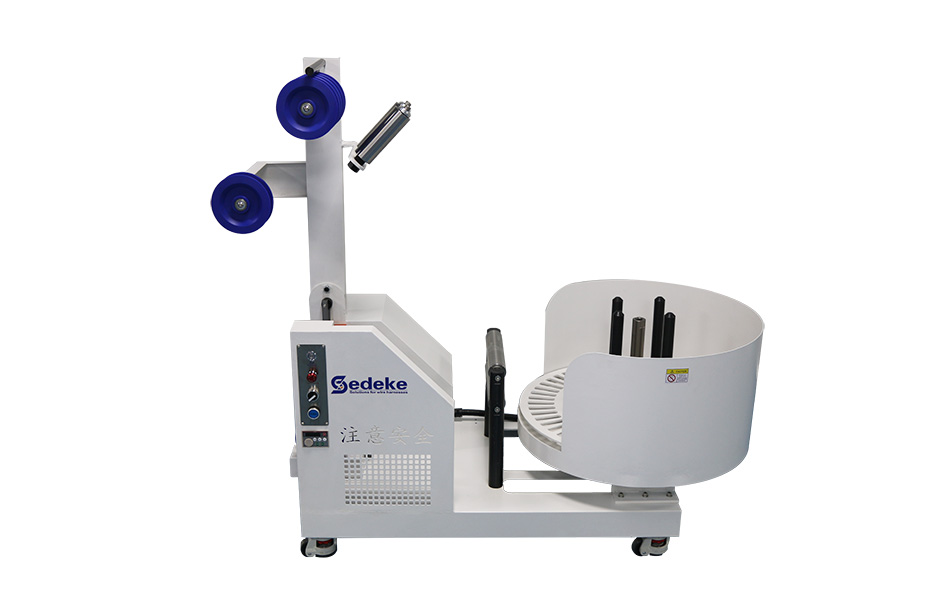
A cutting or stripping machine cannot deliver consistent material handling if the supply side is wrong. Sedeke addresses the reel, material and feeding structure before they become problems at the main process.
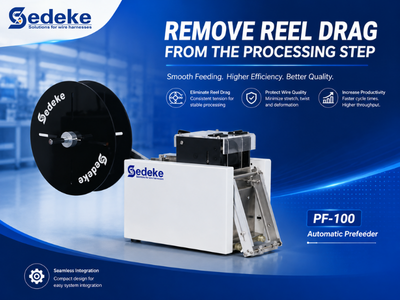
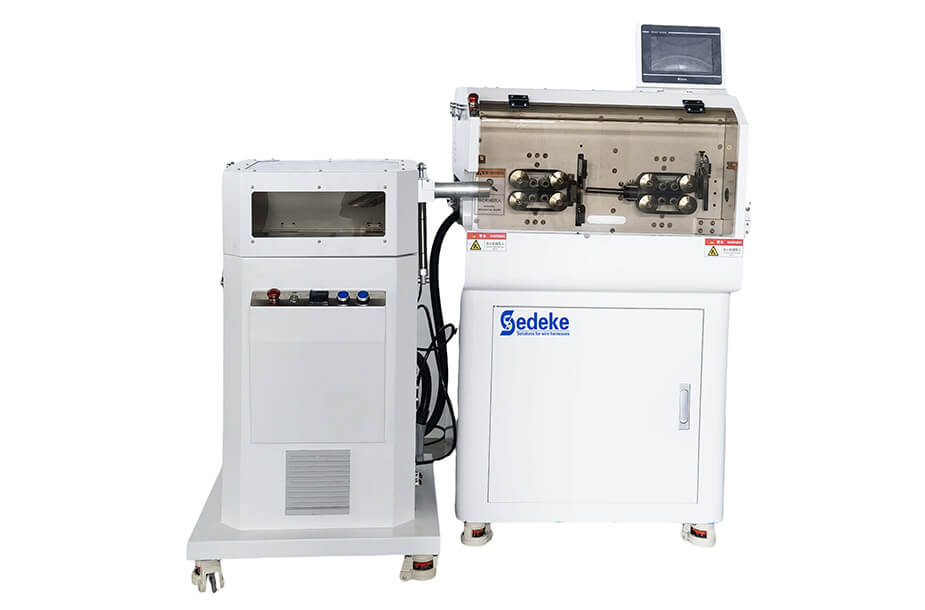
When the main machine must pull directly against a reel, reel resistance becomes part of every feeding cycle. A Sedeke wire prefeeder places powered payout upstream, separating material supply from measuring, cutting and stripping.
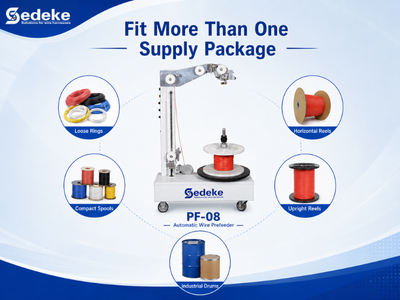
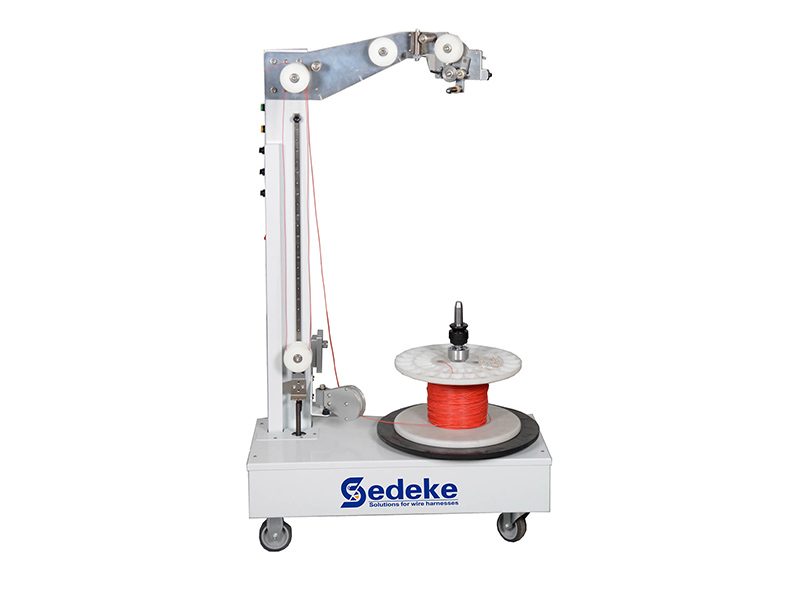
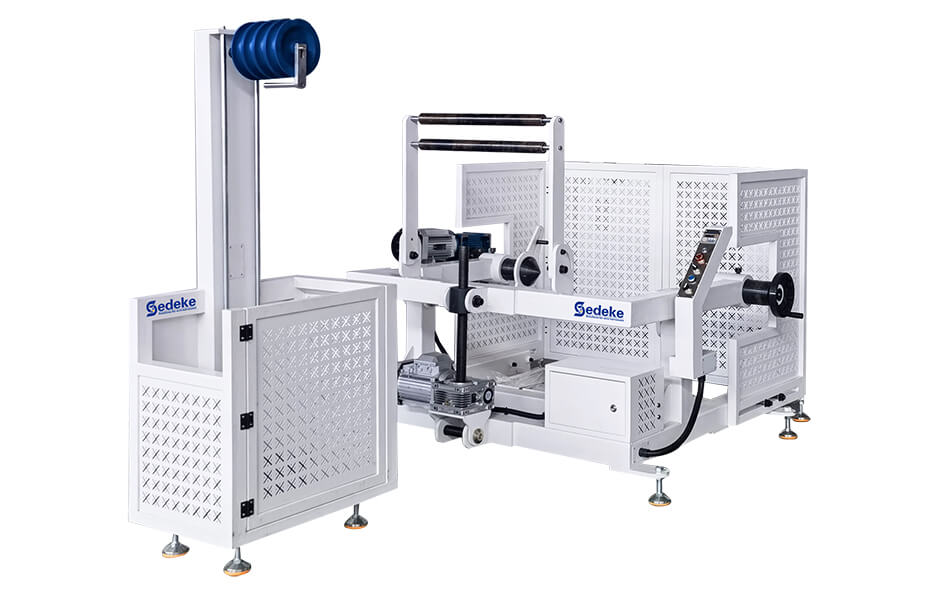
Loose rings, compact spools, horizontal reels, upright reels and industrial drums cannot be handled by one universal stand. The PF series provides distinct structures for these supply conditions, allowing the feeder direction to follow the actual package rather than forcing the material into an unsuitable layout.
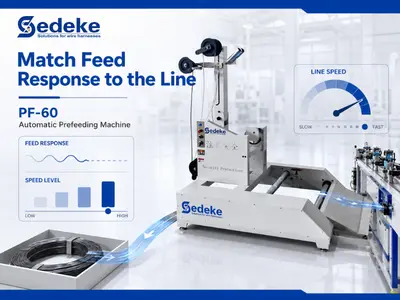
A small reel feeding short wire lengths does not create the same demand as a large cable drum serving a heavier process. Sedeke uses model-specific servo, frequency-converter, multi-speed, inductive and stepless-control directions, so feed control can be selected with the downstream cycle instead of load alone.
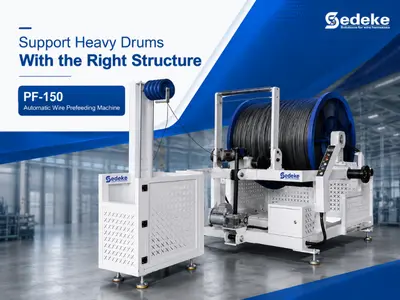
Increasing reel weight changes more than motor size; it changes the support and installation method. PF-150 uses a double-clamp structure for industrial drums up to 1,500 kg, providing a defined heavy-reel direction rather than extending a light-duty stand beyond its published range.
Choose from the material supply outward. A model must fit the complete loaded reel or ring, the wire or cable and the available installation arrangement—not only the conductor size shown on the production drawing.
Selection path: Supply Form → Loaded Reel → Material Size → Installation
| Model | Supply package and reel fit | Material limit | Load | Feed and control | Configuration fit |
|---|---|---|---|---|---|
| PF-08 | Reel: Ø130–300 mm, height ≤200 mm, center hole Ø20–45 mm; loose ring: OD ≤400 mm | Reel wire AWG36–10, OD ≤5 mm; loose ring AWG28–16 | 30 kg | Servo drive, full-digital control, up to 8 m/s; three ring-rotation speeds | Loose rings and compact reels |
| PF-30 | Spool OD ≤400 mm; height 380 mm | Wire, cable and tube OD ≤18 mm | 60 kg | 0–4 m/s; frequency converter, motor and reducer | Standard reel supply before cutting or stripping |
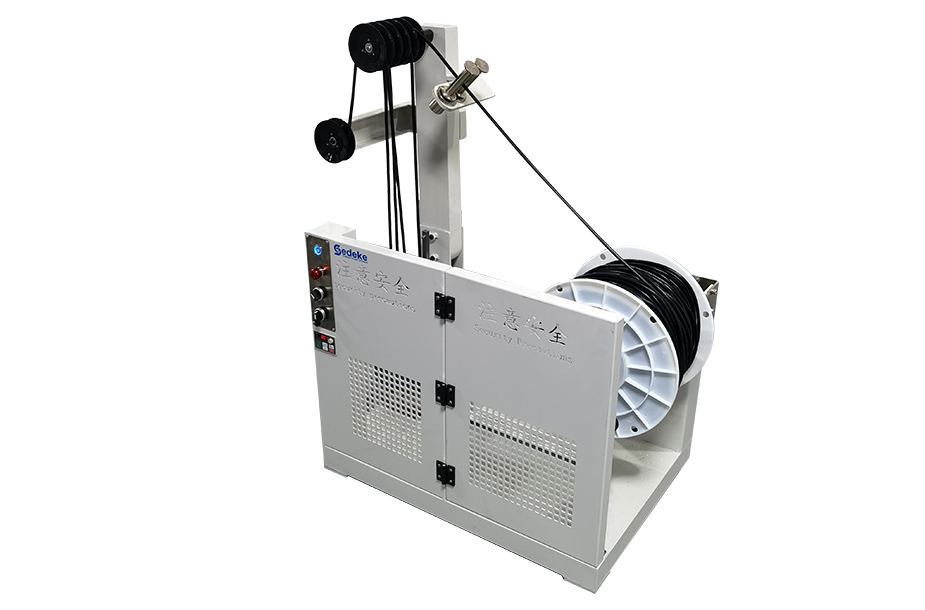
| PF-60 | Horizontal barrel or paper reel; OD 200–720 mm; height 680 mm | Wire, cable and tube OD ≤30 mm | 100 kg | Multi-speed; three-phase motor and reducer | Larger reels requiring horizontal support |
| PF-90-I / PF-90-II | Upright reel; OD 100–650 / 100–850 mm; height 650 / 850 mm; center hole Ø38–200 mm | Wire, cable and tube OD ≤30 mm | 100 kg | Adaptive stepless regulation; three-phase motor and reducer | Upright reels in two frame sizes |
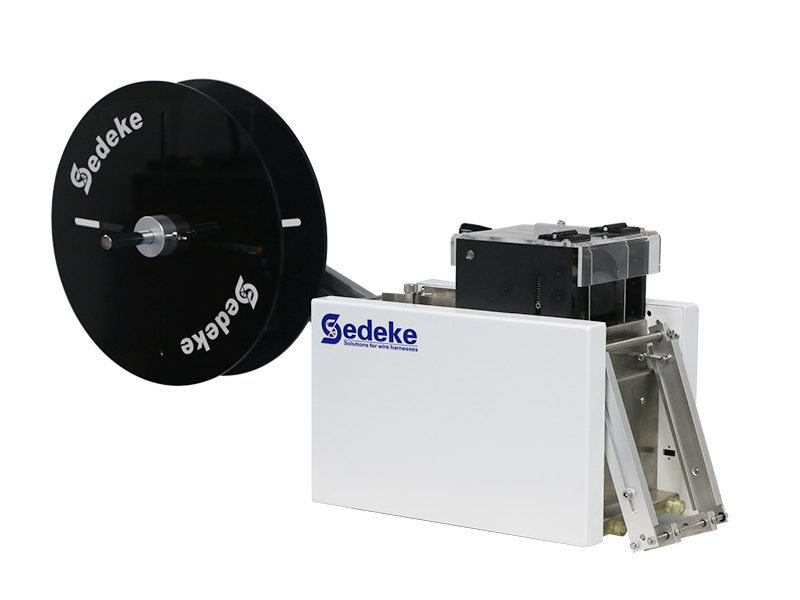
| PF-100 | Compact inductive feeding unit | — | — | Stepper motor, 70 W, up to 12 m/min | Compact connection with tube-cutting or wire-stripping equipment |
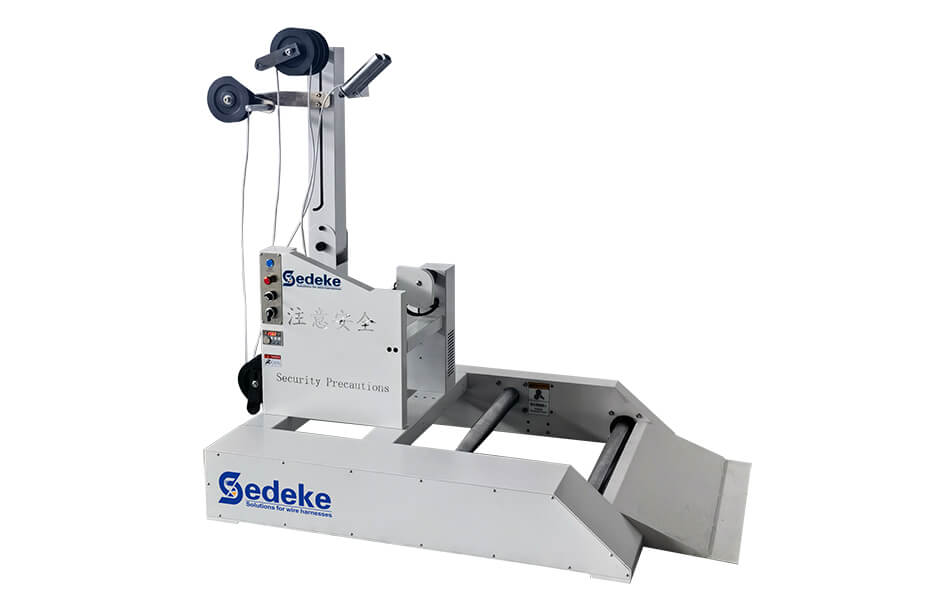
| PF-150 | Wooden, plastic or iron drum; OD 800–1,500 mm; width 900 mm; center hole Ø53–110 mm | Wire OD ≤40 mm | 1,500 kg | Adaptive stepless regulation; 3 kW three-phase motor and reducer | Heavy industrial drums with double-clamp installation |
The largest load value does not automatically identify the right cable prefeeder. A compact reel may need faster response, while a larger drum changes the support structure and installation. Compare all four selection steps before choosing a PF-series direction.
A reel stand only supports material. A wire prefeeder must also release and deliver it at a rate suited to the cutting or stripping process. The required control direction changes with reel size, material behavior and how quickly the downstream machine draws each length.
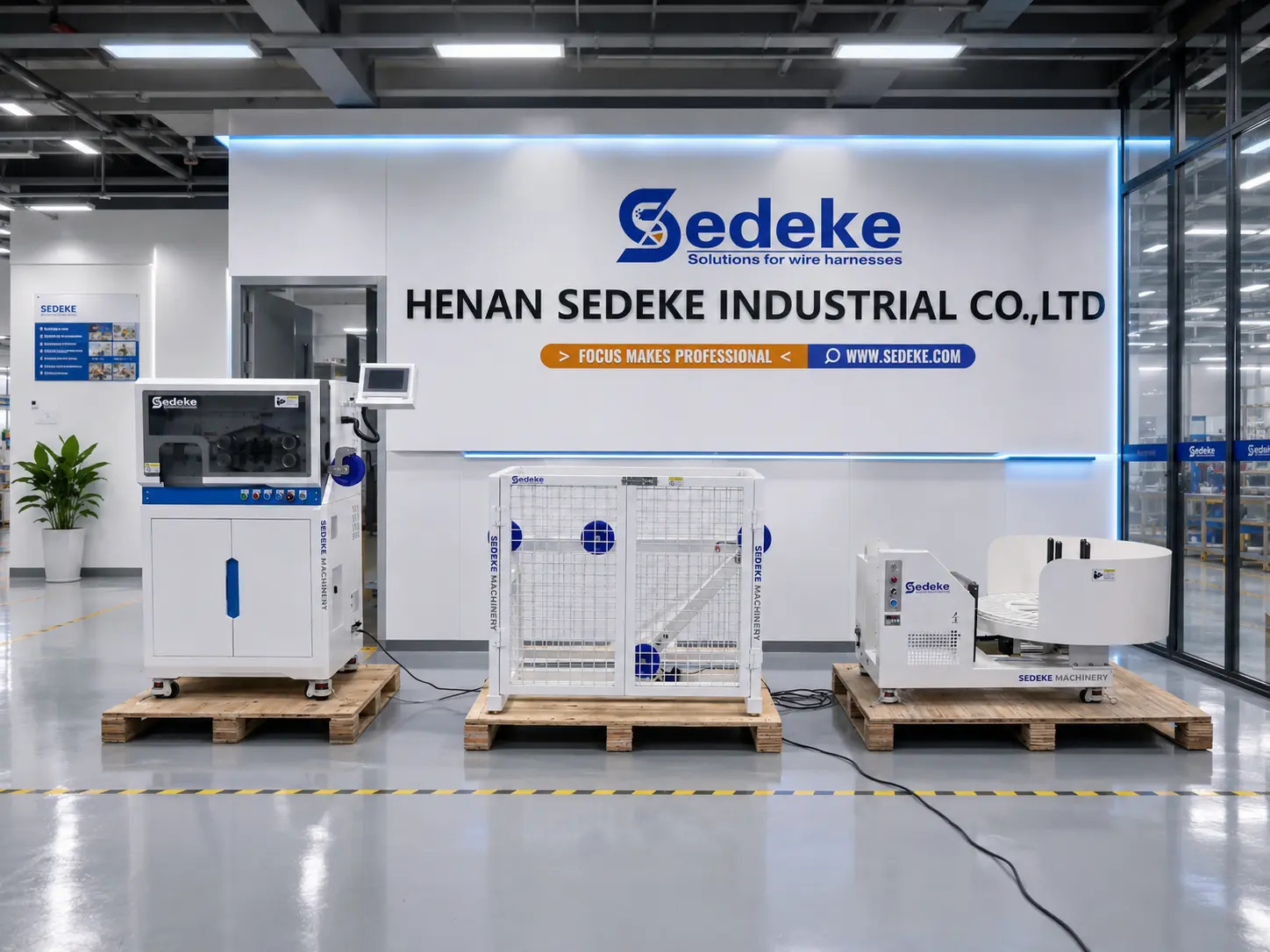
The prefeeder handles material payout upstream, while the downstream machine remains responsible for measuring, cutting, stripping or other processing. This separation prevents model selection from being based only on the cutter’s stated wire range. The supply package and its loaded weight must also be handled before material reaches the main machine.
Sedeke uses different control approaches across the PF range. PF-08 combines servo-driven feeding with full-digital control for reel wire and loose rings. PF-30 provides a published 0–4 m/s range through a frequency converter, motor and reducer. PF-60 uses multi-speed control for larger horizontal reels, while PF-90 and PF-150 use adaptive stepless speed regulation for upright or heavy-reel structures. Compact PF-100 uses inductive detection with a stepper motor for connection to tube-cutting and wire-stripping equipment.
These are model-specific control directions, not one universal operating mode. Compare the required response with the material supply and downstream cycle instead of choosing from maximum load alone.
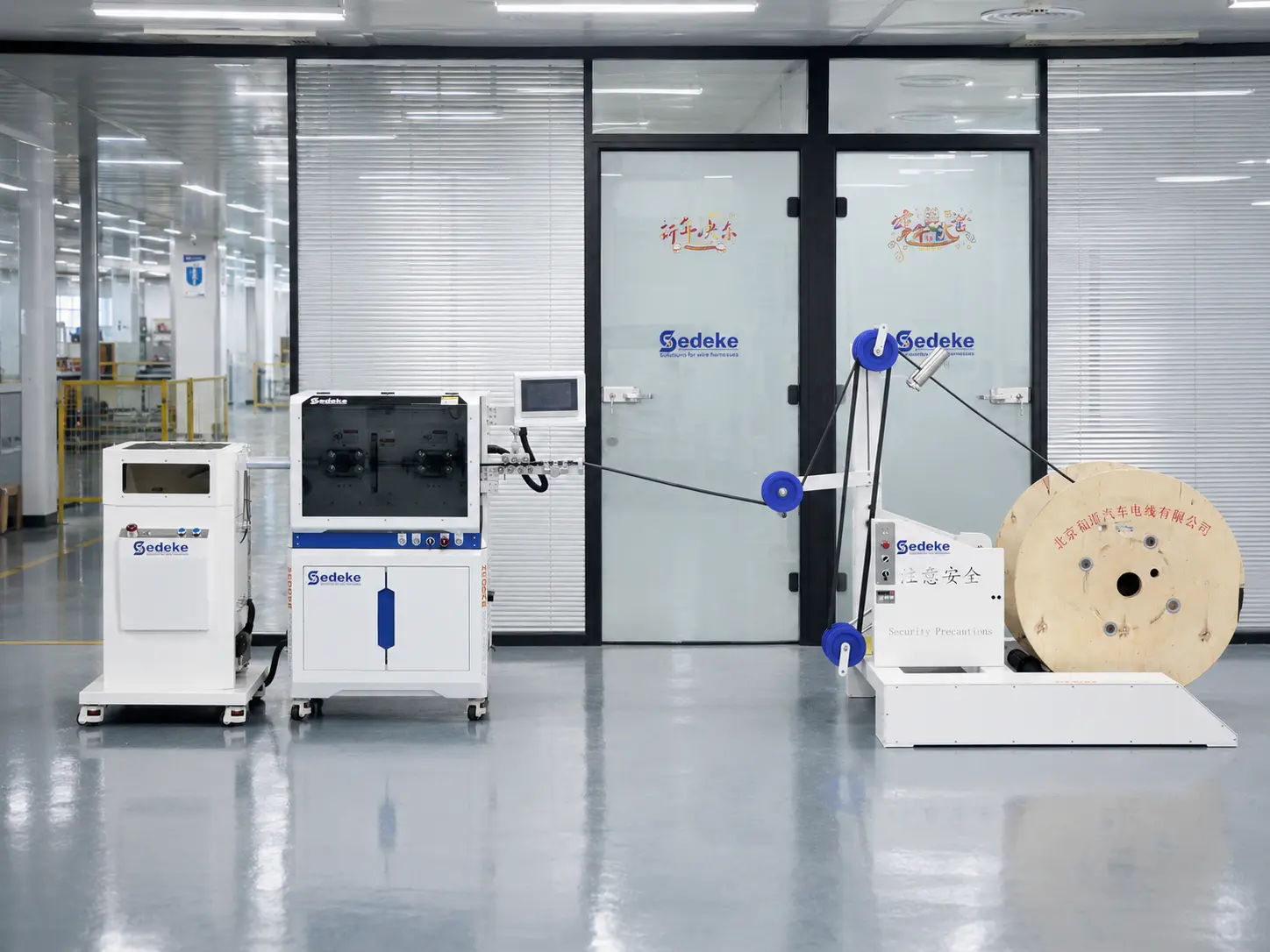
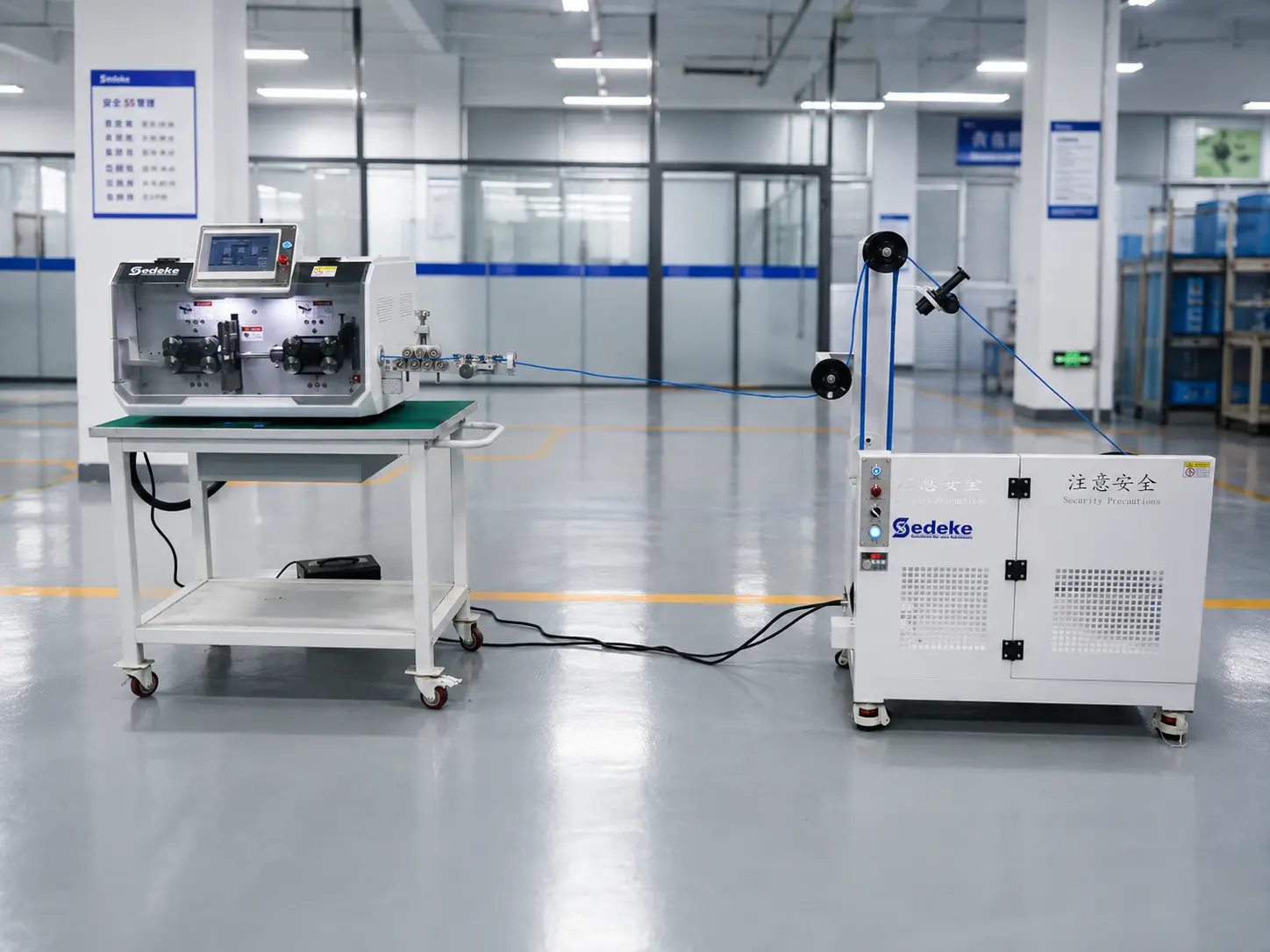
The reel position, material exit direction, available floor space and entry path into the processing machine must work as one layout. A configuration that carries the reel but creates an unsuitable feed route is not a complete line solution. Final selection should therefore consider the actual supply package, material sample and connected machine together.
Does the next workstation receive the lead it needs, or another batch waiting for correction?
The cable diameter alone does not define the feeding setup. A loose ring, a compact spool and a 1,500 kg industrial drum place very different demands on material support, installation space and the route into the processing machine. Sedeke covers these supply conditions with distinct PF-series structures, so the configuration can start from the material package instead of forcing every job onto the same reel stand.
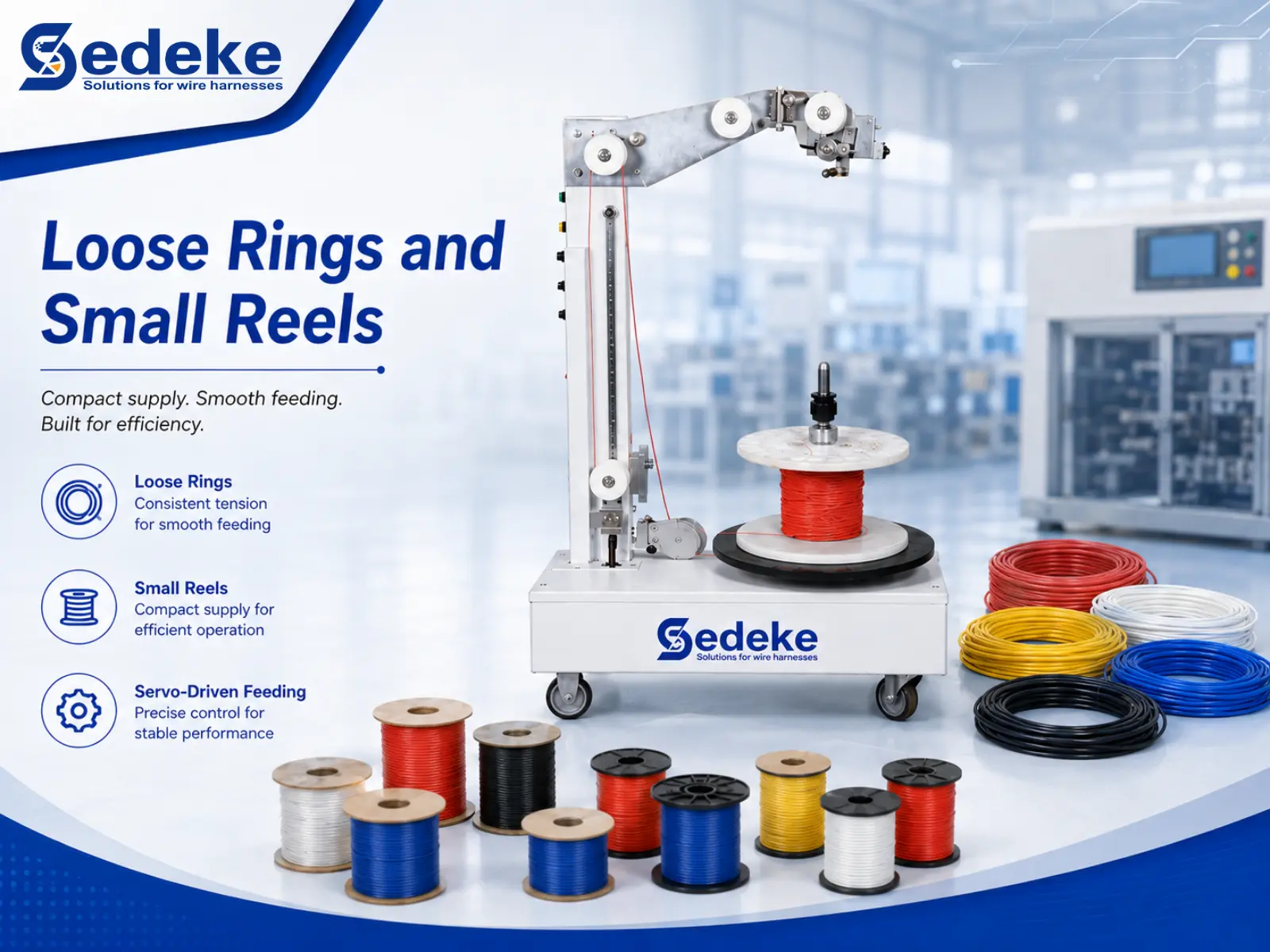
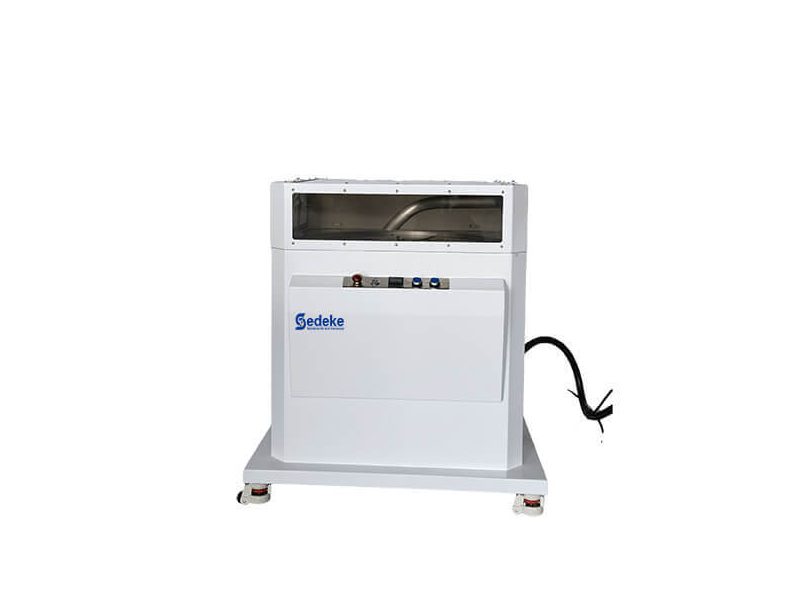
Fine wire and bundled cable rings need a compact supply path that keeps the material organized as it is released. PF-08 accepts both reel wire and loose cable rings, with servo-driven feeding and selectable ring-rotation speeds. This gives buyers one direction for lines that alternate between small bobbins and bundled material.
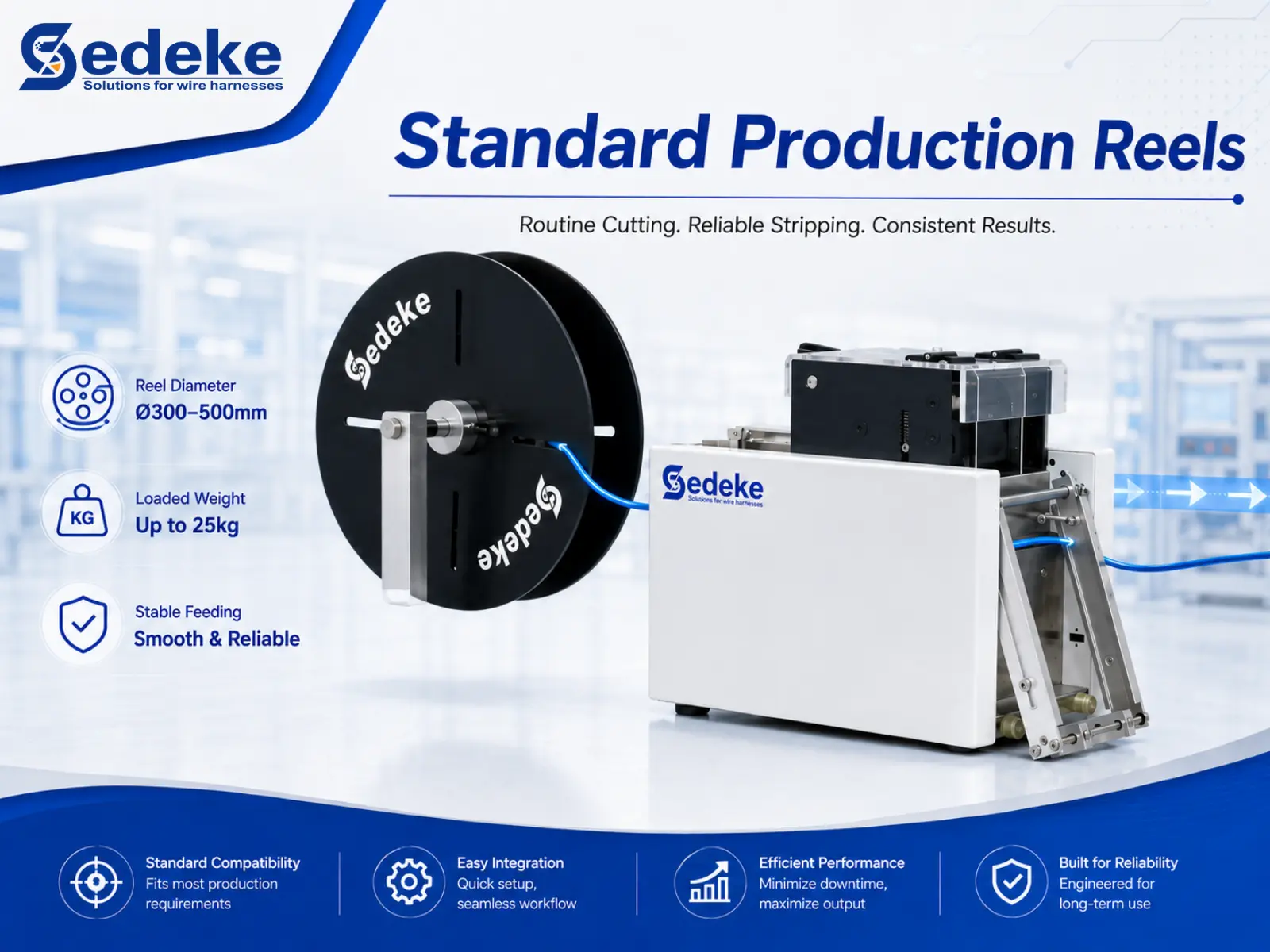
For routine cutting and stripping work, selection starts with the reel outside diameter, width or height, center hole, loaded weight and cable size. A standard cable prefeeder should fit the complete reel, not merely the wire diameter printed on the drawing.
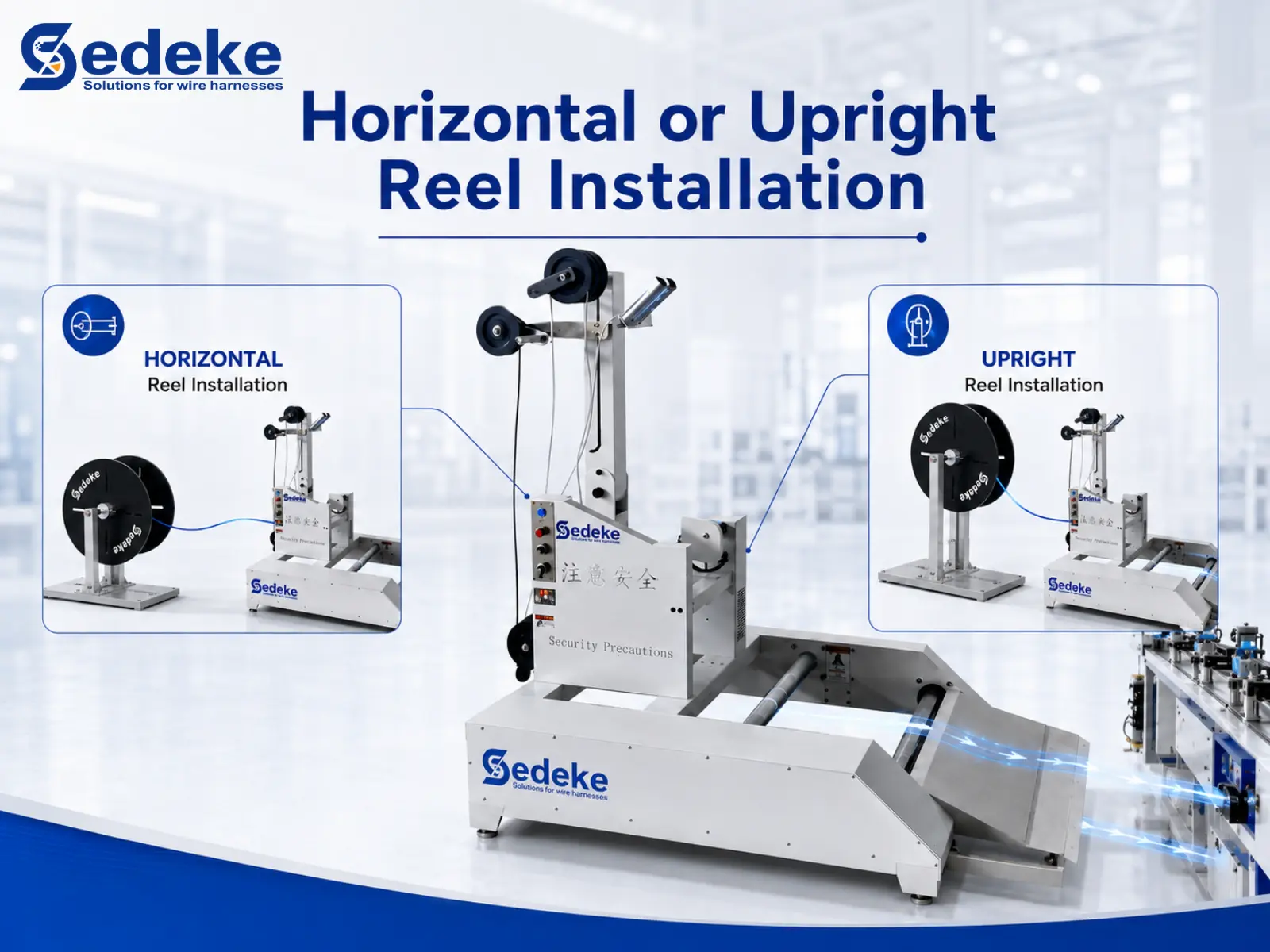
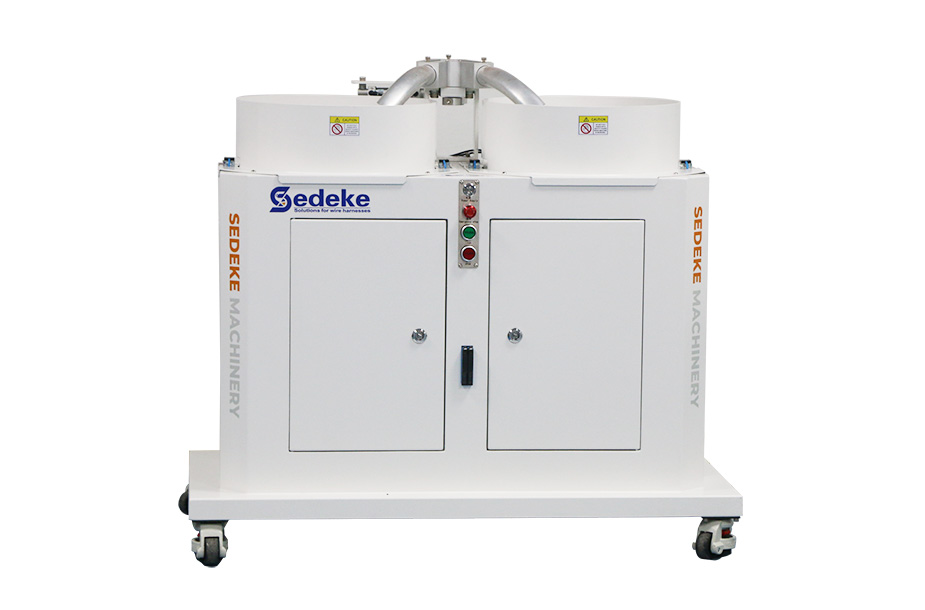
Larger reels may need to remain horizontal or upright because of their construction, available floor space or the required material exit direction. Sedeke provides both structural directions. The reel position should be confirmed together with its dimensions and the entry route to the downstream machine.
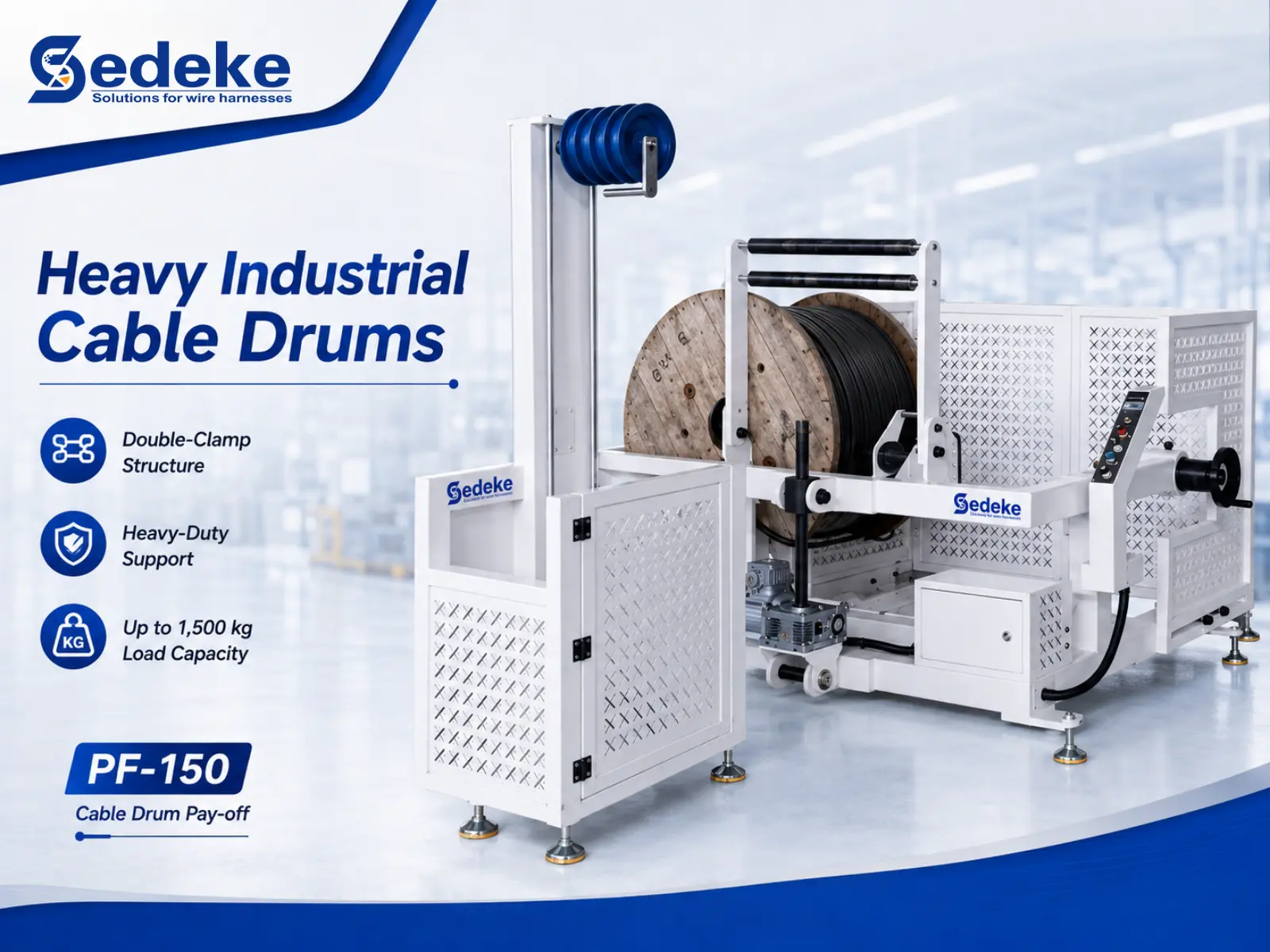
Heavy drums require a frame designed around the loaded reel rather than an enlarged version of a light-duty stand. PF-150 supports drums up to 1,500 kg with a double-clamp installation structure. Drum diameter, width, center hole and cable size still need to remain within its published limits.
Move from supply condition to a PF-series direction, then confirm the final arrangement against the actual material and processing line.
Sedeke has over 25 years of extensive experience in the field of industrial automation wire harness processing. The company operates three R&D and production bases and four major processing plants in Jiangsu and Zhejiang, China, and maintains technical support centers in Europe and Southeast Asia. Its products are sold in more than 50 countries and regions worldwide, and the company has registered its trademarks in nine countries, including Germany and India, demonstrating a mature global supply chain and service capabilities.
The company boasts a technically proficient and experienced R&D team, with a product line that comprehensively covers cutting, stripping, crimping, winding, and fully integrated automated equipment. In addition to offering a series of standardized rubber/plastic wire harness processing machines, Sedeke provides customized wire harness processing solutions that are innovatively optimized and perfectly tailored to meet specific customer requirements.
Sedeke’s equipment and technologies are widely used in high-end manufacturing industries such as automotive wiring harnesses, new energy, rail transit, aerospace, home appliances, power and telecommunications, and medical devices. They help drive the intelligent transformation of factories and serve as a reliable partner brand for industrial support.
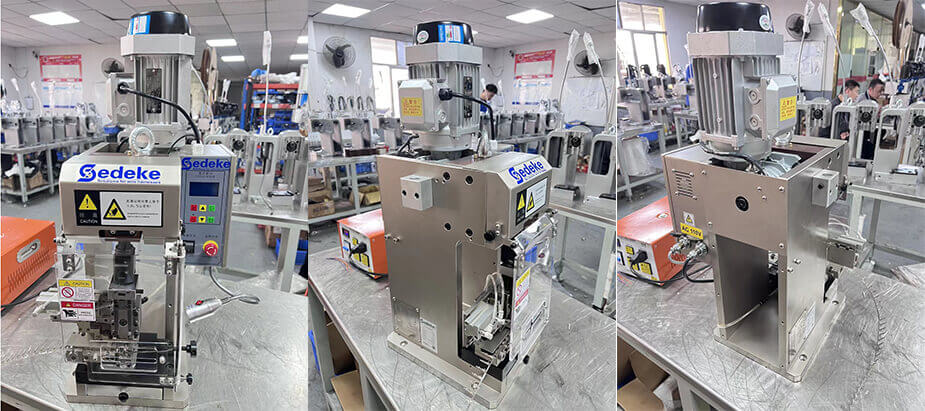
A wire prefeeder removes wire or cable from a reel, ring or drum and delivers it upstream of a processing machine. It separates material payout from measuring, cutting or stripping, so the main machine does not have to drive the supply package directly.
A separate prefeeder is useful when reel weight, reel resistance or intermittent starts make direct pulling unsuitable for the main machine. It is also needed when the supply package requires powered payout, a different mounting structure or feed control matched to the processing cycle.
A dereeler emphasizes unwinding material from a spool, while a prefeeder emphasizes making material available to the downstream machine. Manufacturers sometimes use the terms interchangeably, so compare the actual drive, control, storage and reel-handling design rather than relying on the product name.
Start with the supply form, full reel weight, outside diameter, width or height, center hole and material size. Then check installation orientation, published feed control and the downstream machine. Cable diameter or maximum load alone is not enough for model selection.
Usually not. Loose rings, compact reels, upright or horizontal spools and heavy drums require different support and control structures. Sedeke therefore uses several PF-series configurations, from PF-08 for rings and small reels to PF-150 for drums up to 1,500 kg.