

Terminal Crimping Machine
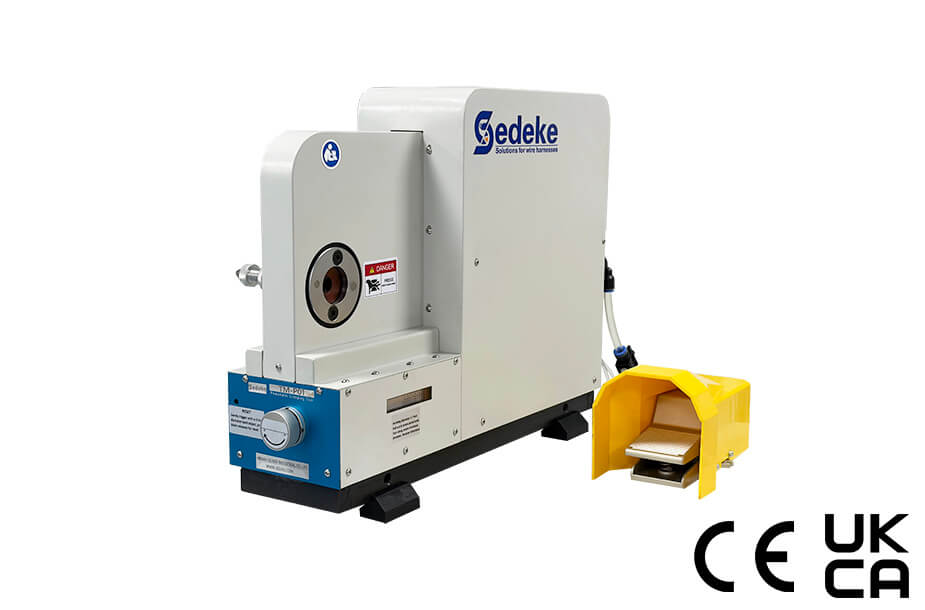
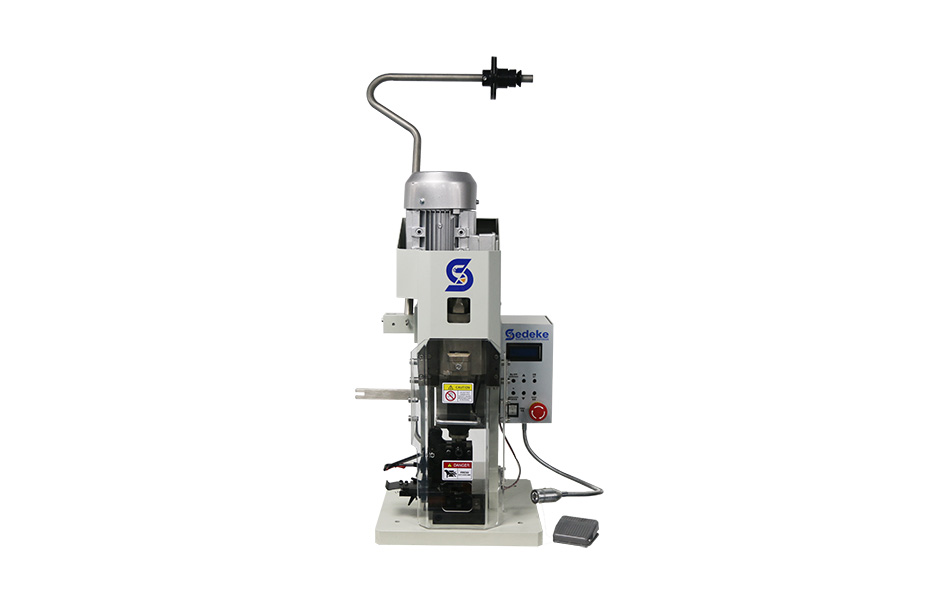
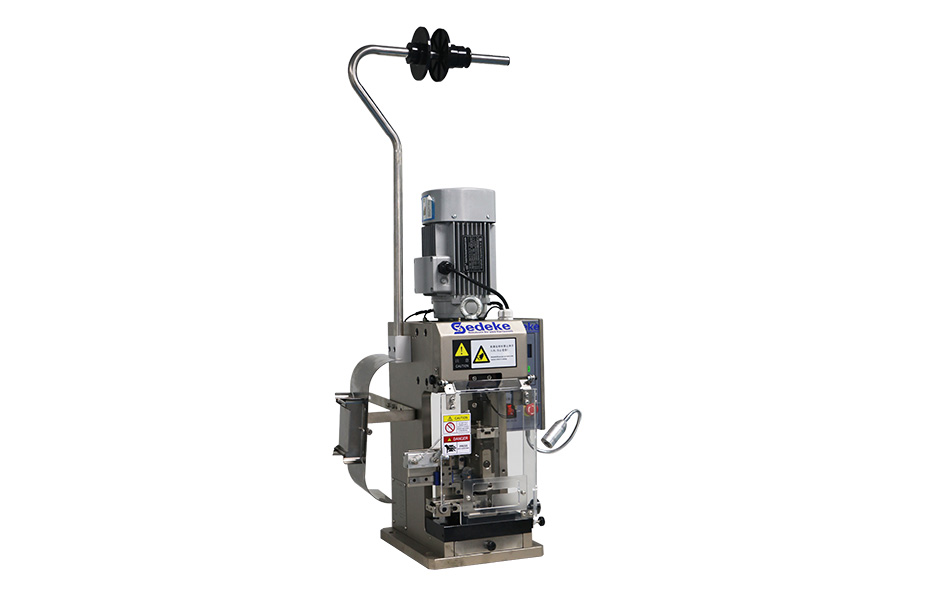
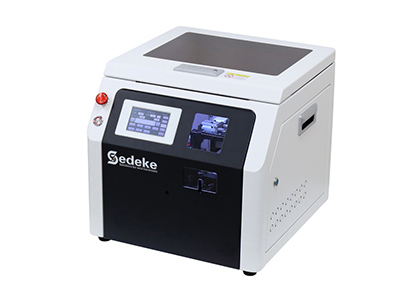
Match the press, applicator and control level to the connection you need to produce. Sedeke terminal crimping machines cover reel-fed open-barrel terminals, ferrules, FAKRA and RJ connectors, copper-band work and large cable terminals. Each setup is built around the terminal geometry, wire size and required crimp result instead of press force alone.
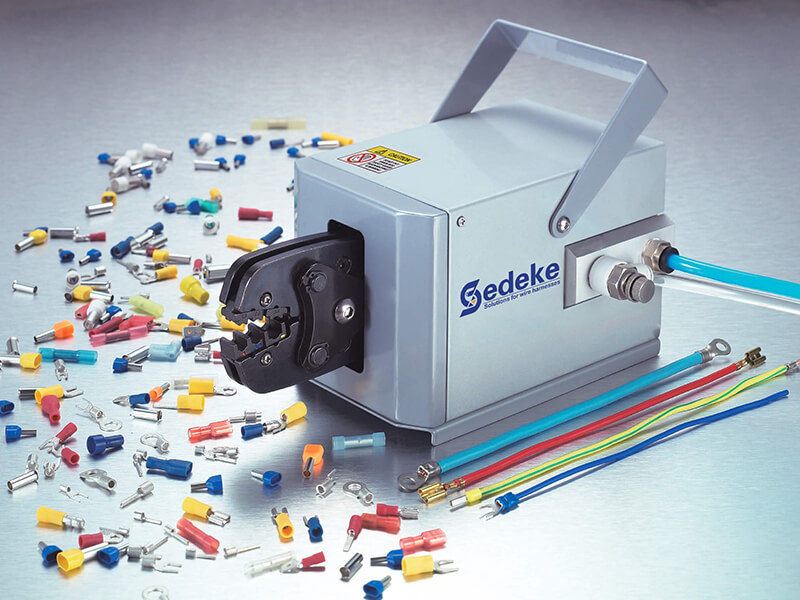
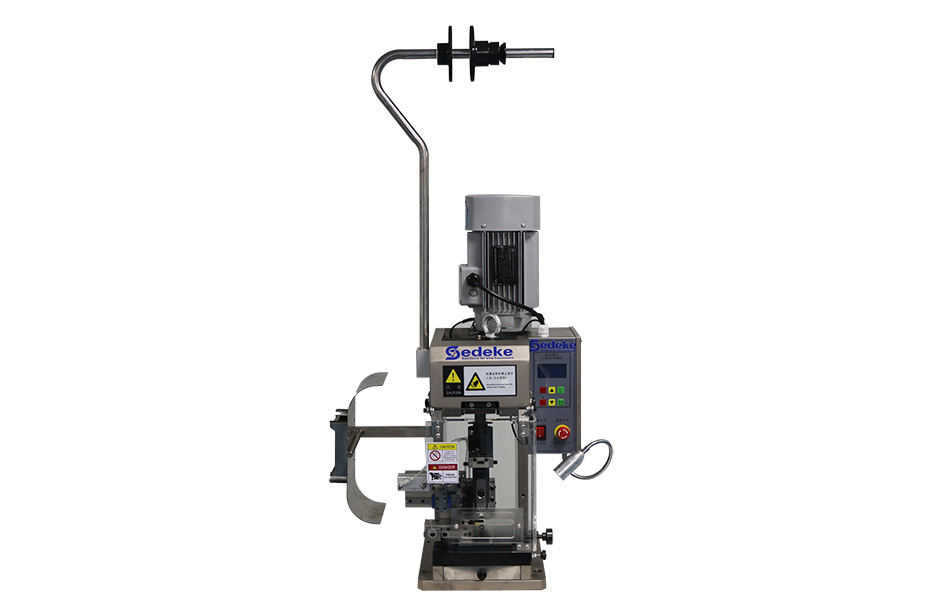
Sedeke treats this as a crimp-setting problem rather than relying on visual inspection alone. The TM-20S supports continuous adjustment of crimping height with a tolerance range of up to 0.03 mm. When production requires settings to be configured under controlled conditions, the TM-T servo series uses a 1 μm optical encoder while saving process and historical crimping data. This ensures that the settings for terminals, wires, the applicator, and the crimping machine are all associated with the same production job, guaranteeing consistency in the process flow.
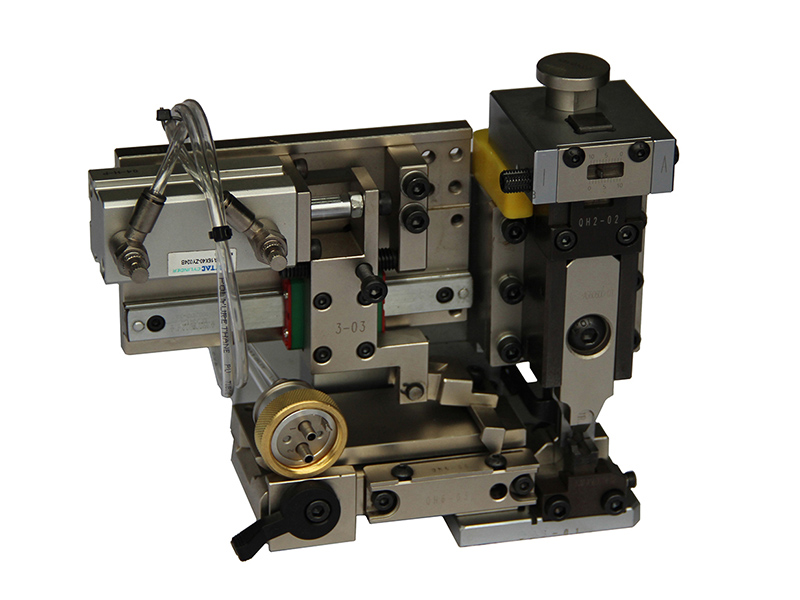
Sedeke matches the feed path to the specific terminals required, rather than treating all terminals as a single task. Both mechanical and pneumatic applicators can be used for side-feed, rear-feed, flag-type terminals, and insulated terminals, and offer crimping stroke lengths of 30 mm and 40 mm. Applicators such as the SAT-AS6P also support crimp height adjustment in 0.025 mm increments. As long as the feed direction and terminal pitch are correct, the terminal strip can be accurately guided into the intended crimping position; meanwhile, interchangeable crimpers and anvils make it easier to address wear on tooling individually.
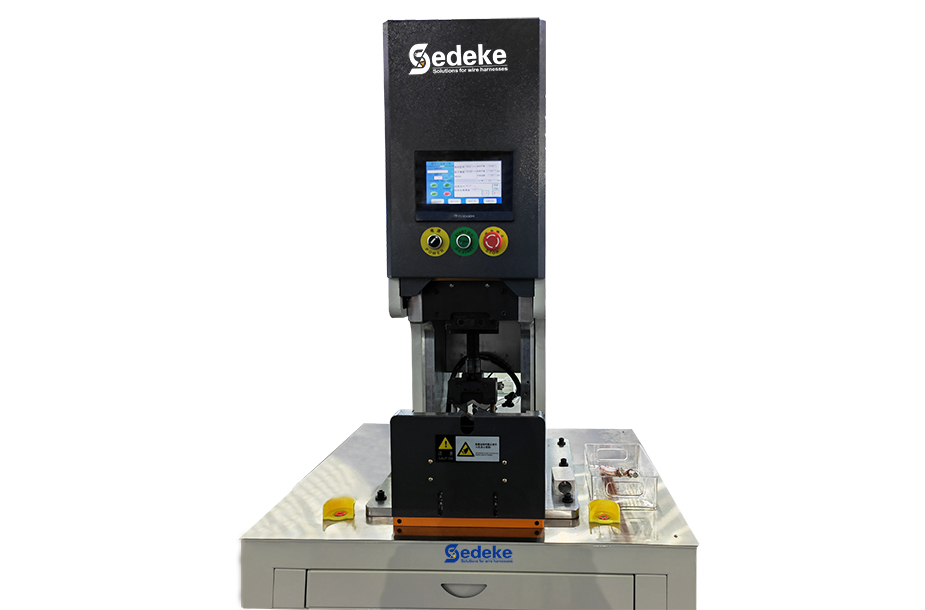
Sedeke has separated die changes and equipment parameter adjustments into two independent operations. Dies are matched according to terminal feed direction, pitch, crimping stroke, and crimping height, and the crimping head and base can be replaced individually. TM-T servo model, processing parameters for each type of terminal can be stored individually. The next time the same order is produced, operators simply need to install the corresponding die and retrieve the previously saved parameters directly, eliminating the need for manual re-calibration.
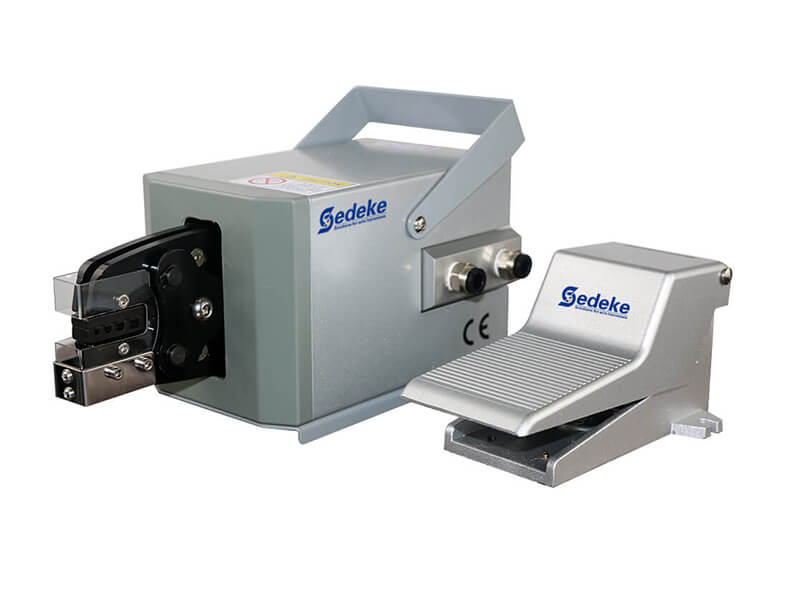
If your production process requires more standardized and comprehensive crimping data records than those provided by handwritten ledgers, we recommend selecting the Sedeke TM-T series equipment.
Equipped with a servo control system and an optical encoder, this equipment can store various processing procedures and all historical crimping data; all key parameters are linked to work orders and retained. It also offers an optional network port for integration with MES systems, barcode scanners, and ERP management software.
Should quality issues arise in a subsequent batch of products, quality control and production personnel can retrieve and compare the stored standard parameters to troubleshoot the problem.
The same connection can create different production pressures in a vehicle harness plant, an electronics workshop or a control-panel assembly line. The application determines the mix of terminals, batch pattern and quality records required around the crimping process.
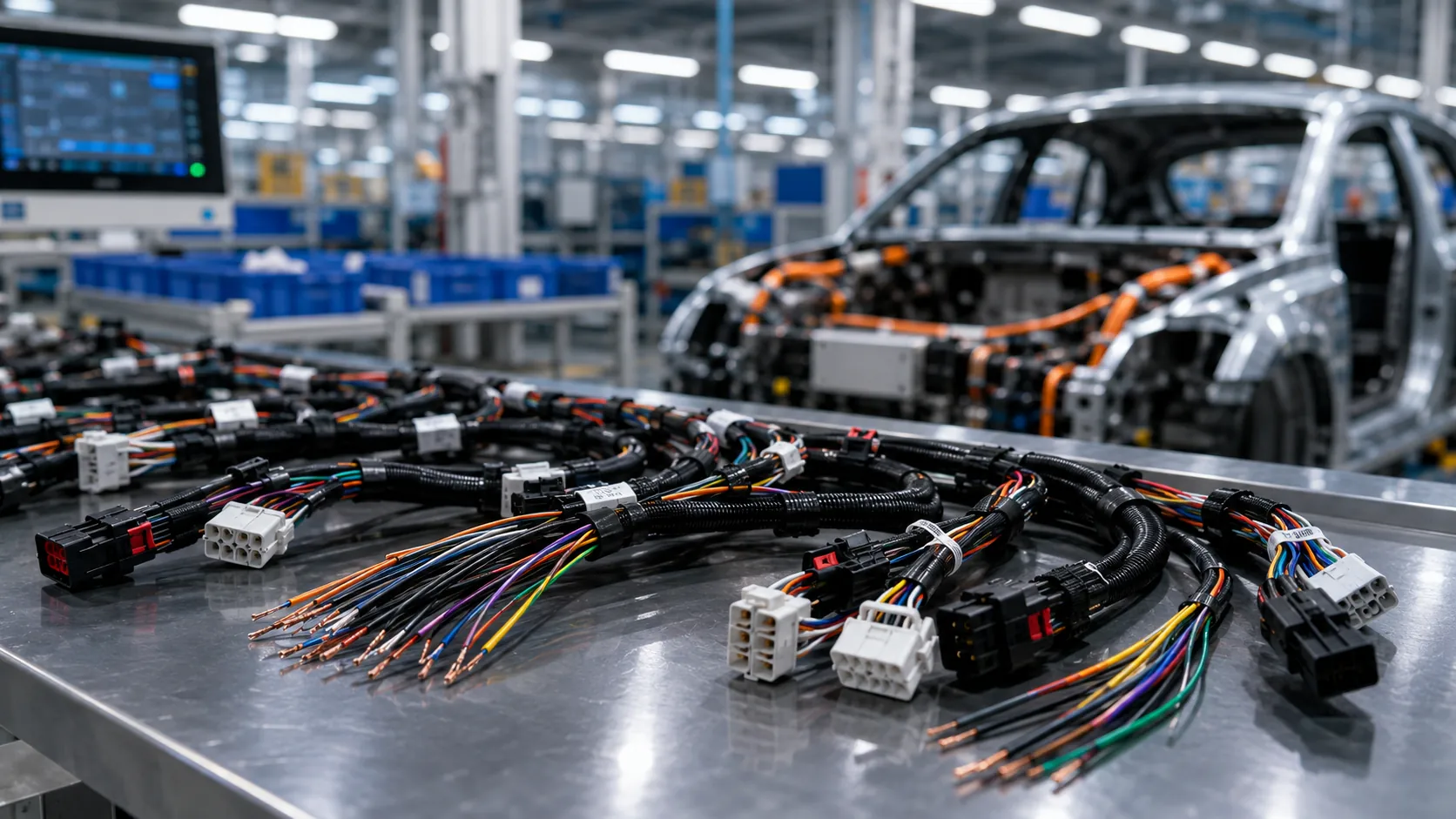
Automotive harness production combines repeated open-barrel terminal work with smaller signal connections and connector-specific jobs such as FAKRA. A single project may include sensor leads, communication cables, body harnesses and EV electrical connections, each with its own terminal drawing and crimp specification. Production teams need stable crimp height across the batch and a clear record of the settings used when a quality issue is traced back to a specific terminal job.
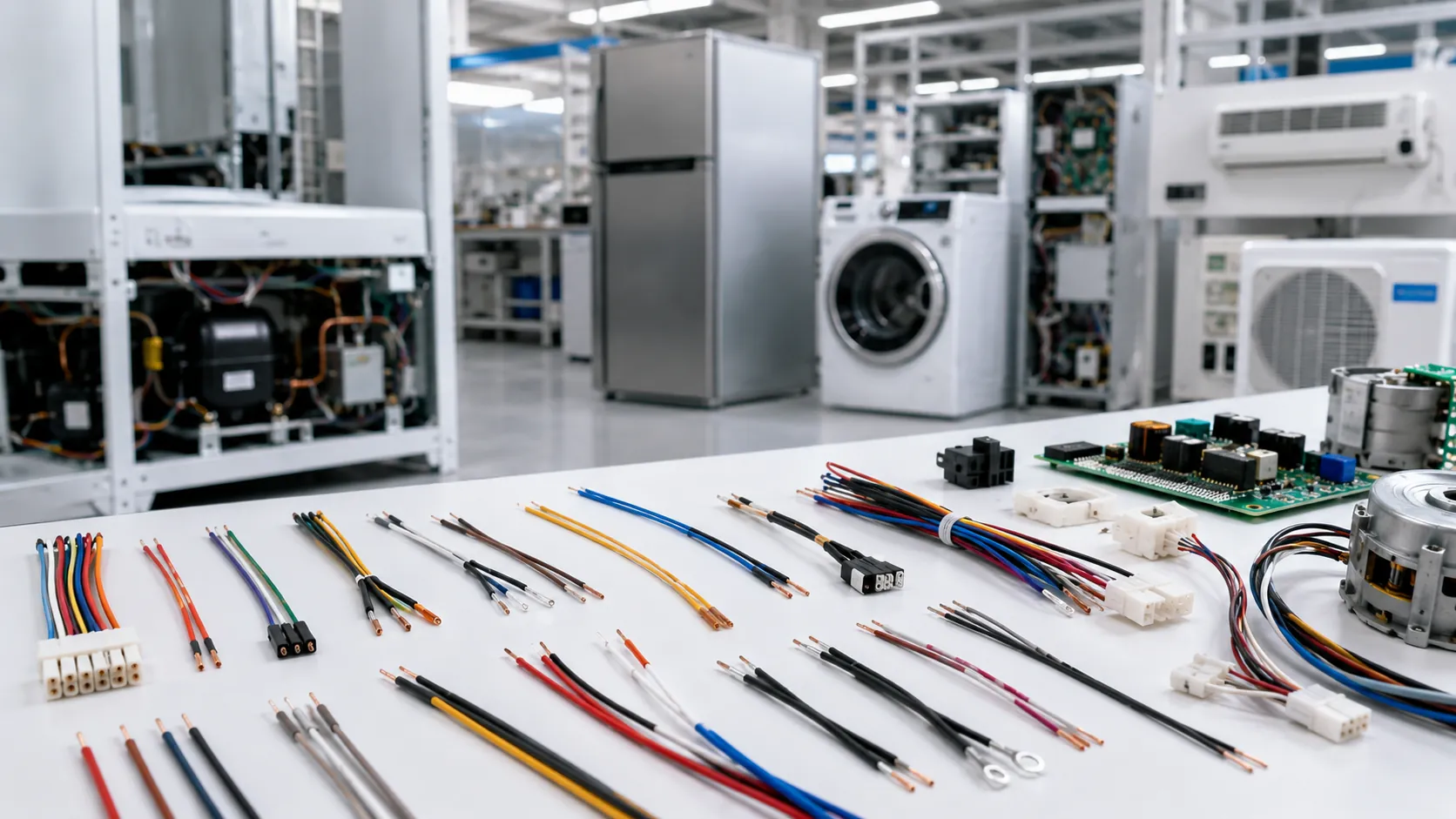
Appliance and electronics production often handles many short harnesses rather than one long-running terminal job. Wire sizes, terminal strips and connector formats can change between refrigerators, air conditioners, control boards, smart devices and communication assemblies. Common work includes small open-barrel terminals, insulated terminals and RJ modular connectors. The production challenge is to move between these jobs without carrying the previous terminal setting into the next batch.
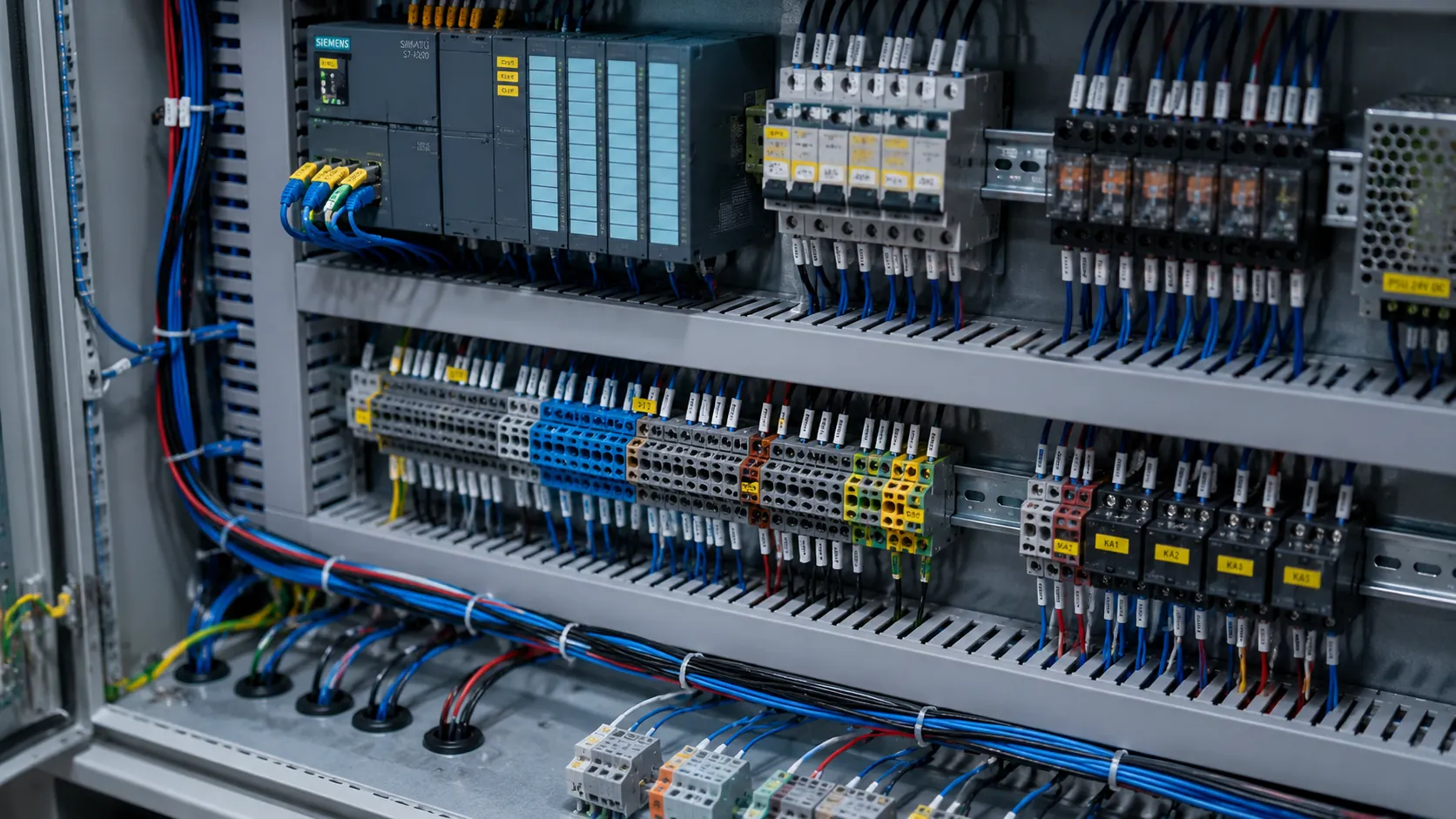
Control-panel wiring uses ferrules and insulated tubular terminals on leads for PLCs, servo drives, sensors, relays and other automation components. Orders are often project based, with different wire cross-sections and terminal sizes appearing at the same workstation. The finished ferrule needs a consistent square or hexagonal form so it enters the terminal block cleanly and holds the conductor without loose strands.
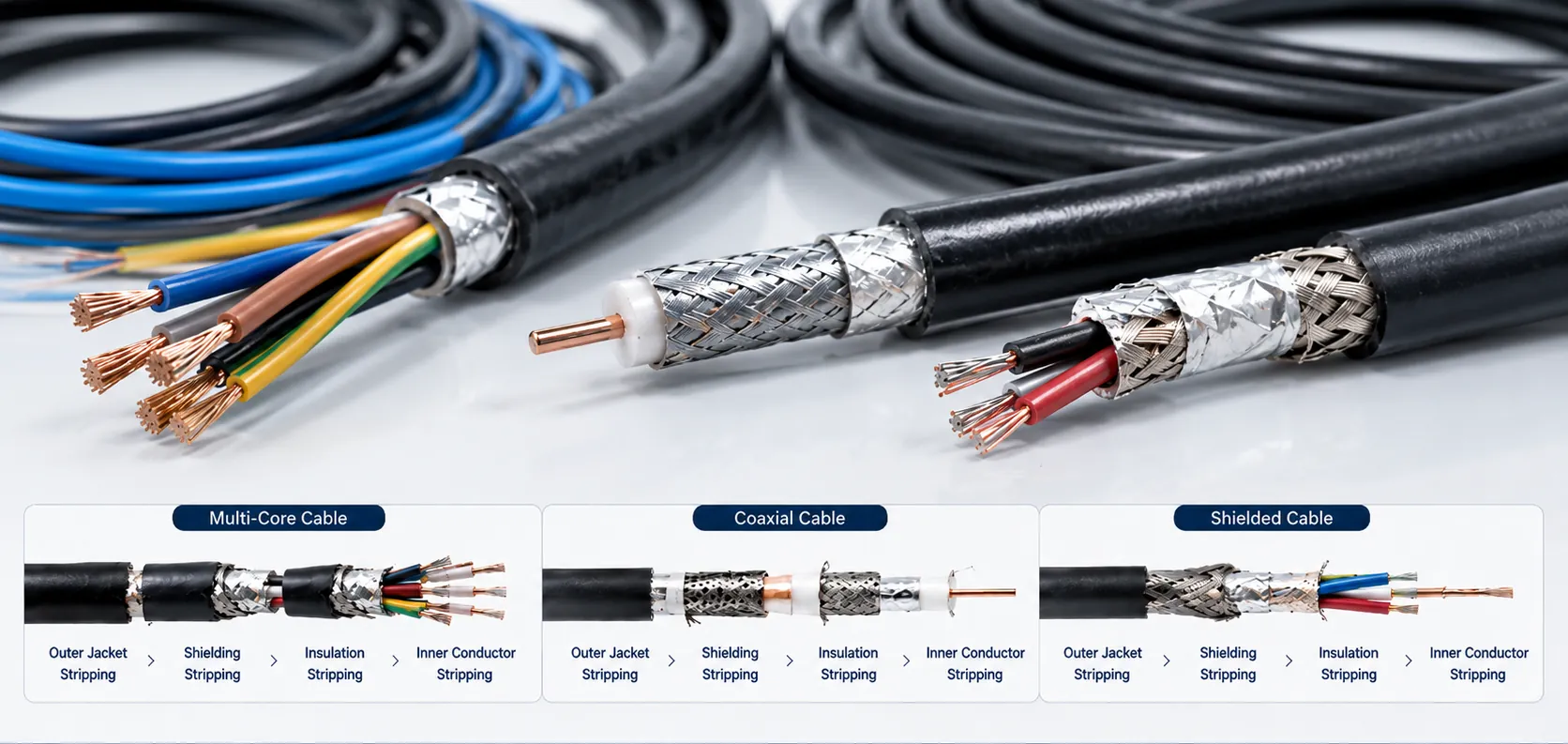
Power distribution, energy storage and industrial electrical equipment use larger conductor cross-sections and heavier terminal barrels than signal wiring. Some assemblies also require copper-band connections to secure shielding or grouped conductors. These jobs place more attention on mechanical retention, complete terminal deformation and the finished crimp shape. Material thickness and cable construction can vary substantially even when two terminals appear similar from the outside.
Share your wire diameter, cable structure, insulation material and stripping length for application review.
Sedeke treats this as a crimp-setting problem rather than relying on visual inspection alone. TM-20S provides continuous crimp-height adjustment with a listed 0.03 mm tolerance. When the job also needs controlled settings, the TM-T servo series uses a 1 μm optical encoder and stores recipes and historical crimping data. This keeps the terminal, wire, Applicator and press setting connected to the same production job, making it easier to return to the approved setup for repeat batches.
Sedeke matches the feed path to the actual carrier strip instead of treating every terminal as the same job. Mechanical and pneumatic Applicators are available for side-feed, rear-feed, flag and insulated terminals, with 30 mm and 40 mm press-stroke routes. SAT-AS6P and related Applicators also provide 0.025 mm crimp-height adjustment increments. The correct feed direction and terminal pitch place the strip in the intended crimp position, while replaceable crimpers and anvils allow worn tooling to be addressed separately.
Sedeke separates the physical tooling change from the machine settings that belong to the job. Applicators are selected around feed direction, terminal pitch, stroke and shut height, and compatible tooling can use replaceable crimpers and anvils. On a TM-T production route, the corresponding recipe can be stored with the terminal job. When a repeat order returns, the operator can reinstall the required tooling and recall the saved settings instead of rebuilding the full setup from handwritten notes.
Sedeke uses the TM-T series when the crimping process needs a clearer record than handwritten settings can provide. Servo control, the optical encoder, stored recipes and historical crimping data keep the main setup information with the job. Optional LAN to MES and barcode-scanner to ERP connections can extend that record into the production system. Quality and production teams can then compare the recorded setup when a later batch behaves differently.
Sedeke supplies the machine, terminal feeding tooling, crimp control functions and inspection equipment used around independent terminal crimping. You can source a standard benchtop press or a dedicated connection solution, then add the Applicator and quality equipment required for that production task.
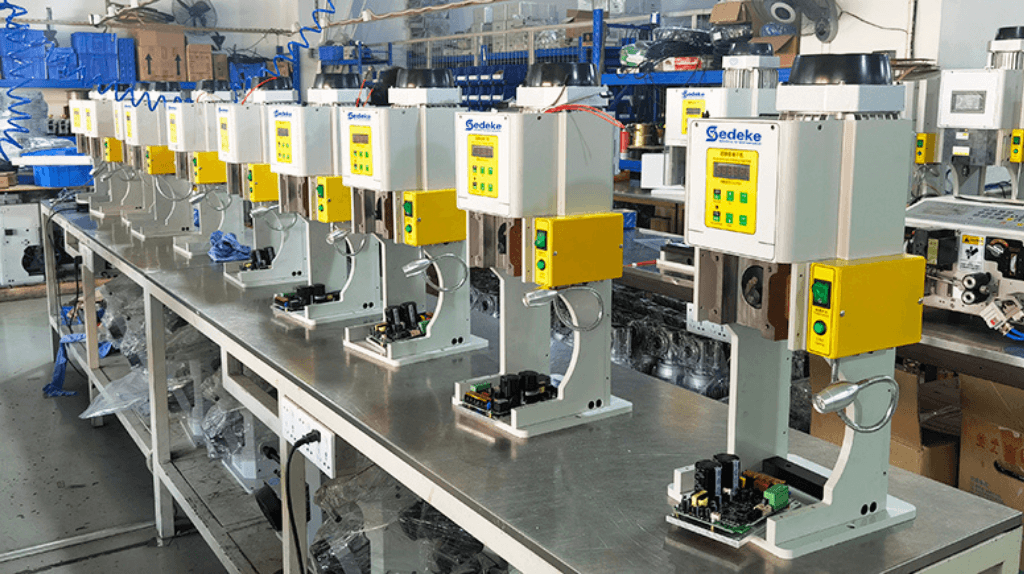
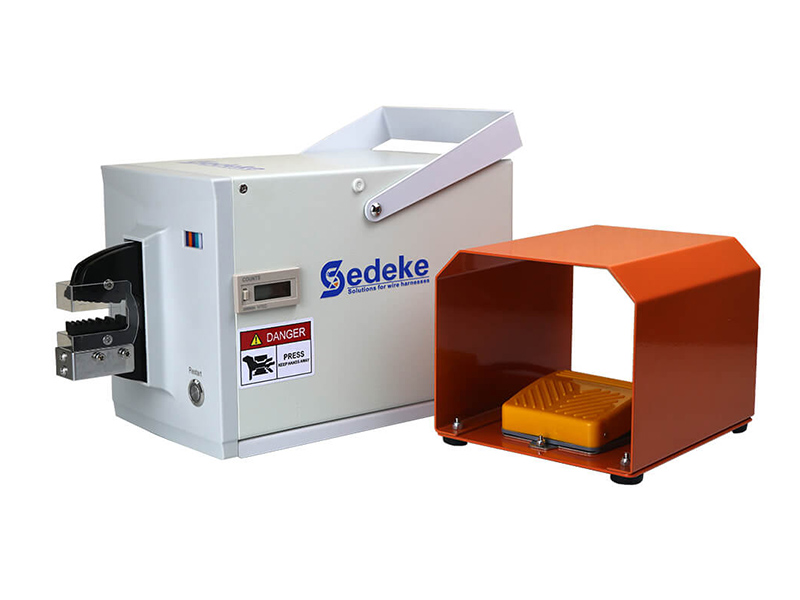
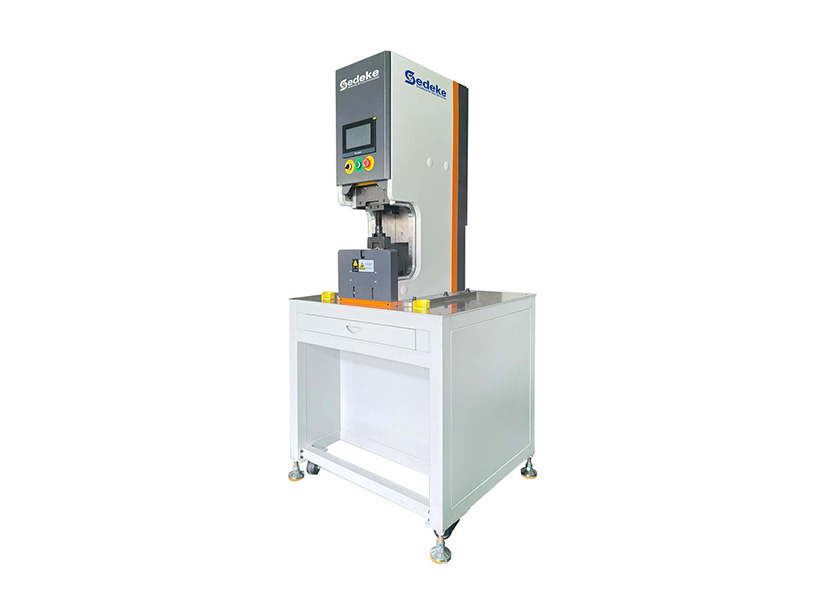
Sedeke's independent crimping range covers standard open-barrel terminals as well as connection tasks that need a dedicated machine or forming method. The available directions include general terminal presses, FAKRA connector crimping, RJ modular connector crimping, ferrule processing, copper-band connections and high-force crimping for large cable terminals. This range allows manufacturers to keep common terminal work and specialized connections within the same crimping equipment portfolio without treating every task as a variation of one general-purpose press.
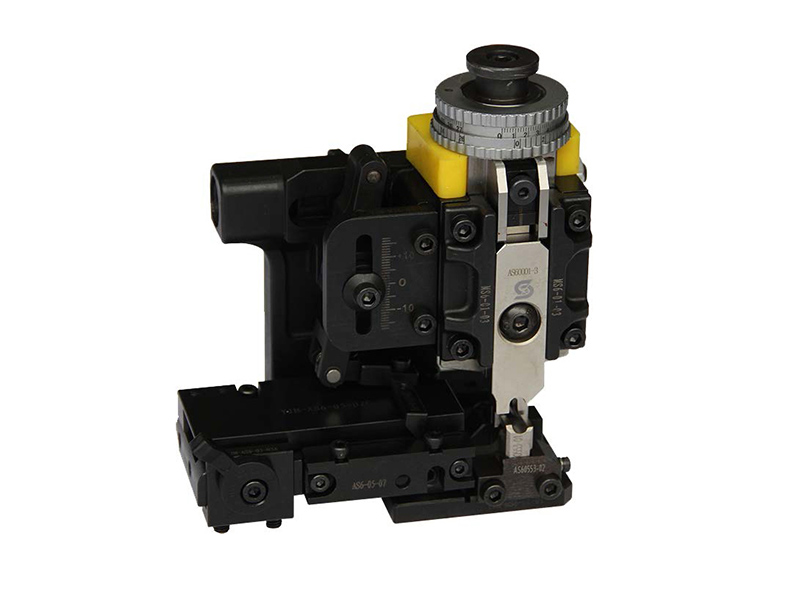
Sedeke supplies Applicators for side-feed, rear-feed, flag and insulated terminals, with mechanical and pneumatic feeding available across the supported formats. The tooling range also includes replaceable crimpers and anvils where the Applicator design allows them. This gives the press a terminal-specific feeding and forming path instead of relying on a generic die description that does not account for carrier position or feed direction.

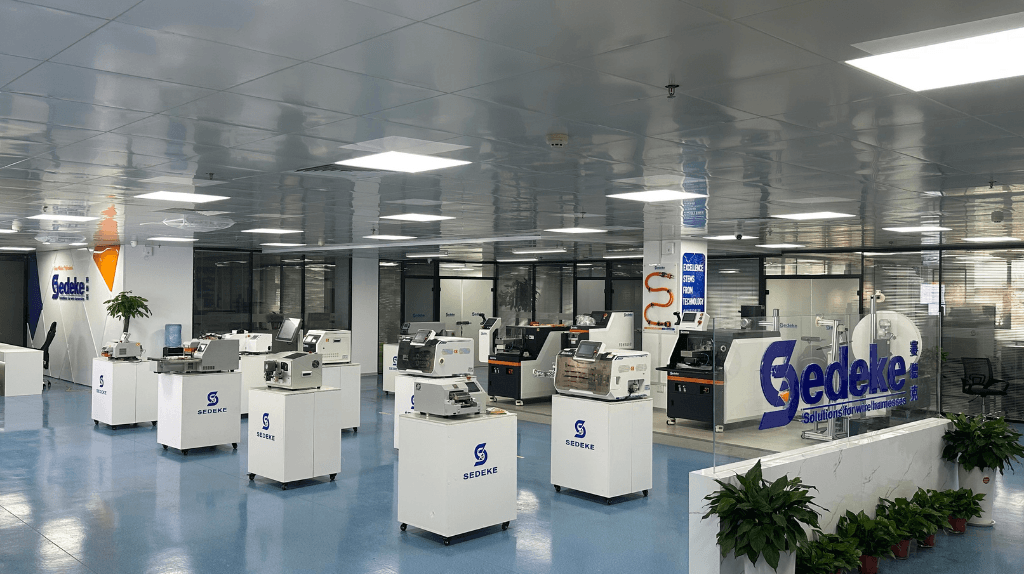
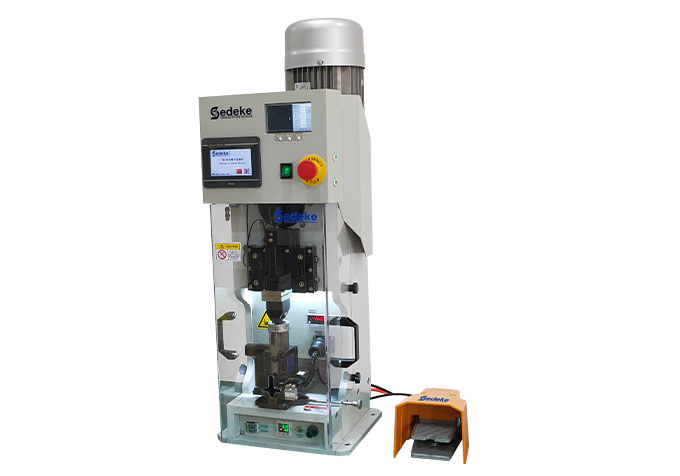
Sedeke crimping equipment supports different levels of process control. Selected presses provide continuous crimp-height adjustment, while supported Applicators allow 0.025 mm crimp-height adjustment increments. The TM-T servo range adds servo control, a 1 μm optical encoder, stored crimp records and a recipe database for product changeovers. Optional connections can link supported configurations to LAN and MES or use an external scanner for ERP data entry. These functions give production teams a controlled setup path for repeat jobs and data-managed crimping lines.
Sedeke also supplies equipment for the main inspection directions used in terminal crimping. CHM instruments cover crimp-height measurement, PFM machines cover terminal pull-force testing, and TCA systems cover terminal cross-section analysis. The TCA range includes semi-automatic, fully automatic and water-cooled cross-section systems. These products allow crimping and inspection equipment to be sourced within the same Sedeke product range.
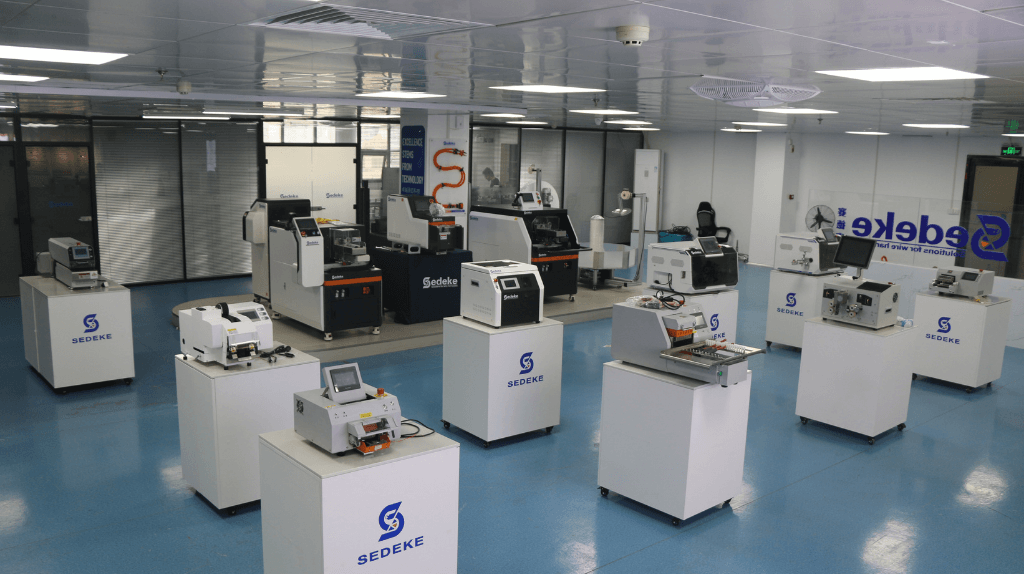
Include the cable OD, structure, material, strip length, number of layers and target output.
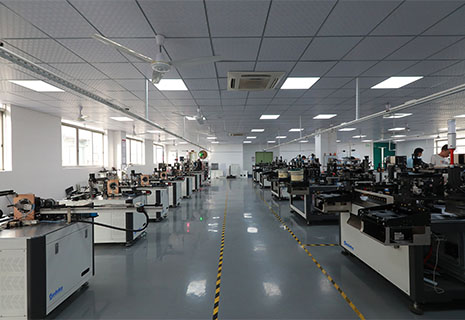
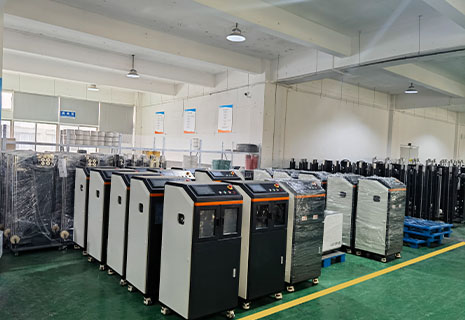
Sedeke has over 25 years of extensive experience in the field of industrial automation wire harness processing. The company operates three R&D and production bases and four major processing plants in Jiangsu and Zhejiang, China, and maintains technical support centers in Europe and Southeast Asia. Its products are sold in more than 50 countries and regions worldwide, and the company has registered its trademarks in nine countries, including Germany and India, demonstrating a mature global supply chain and service capabilities.
The company boasts a technically proficient and experienced R&D team, with a product line that comprehensively covers cutting, stripping, crimping, winding, and fully integrated automated equipment. In addition to offering a series of standardized rubber/plastic wire harness processing machines, Sedeke provides customized wire harness processing solutions that are innovatively optimized and perfectly tailored to meet specific customer requirements.
Sedeke’s equipment and technologies are widely used in high-end manufacturing industries such as automotive wiring harnesses, new energy, rail transit, aerospace, home appliances, power and telecommunications, and medical devices. They help drive the intelligent transformation of factories and serve as a reliable partner brand for industrial support.
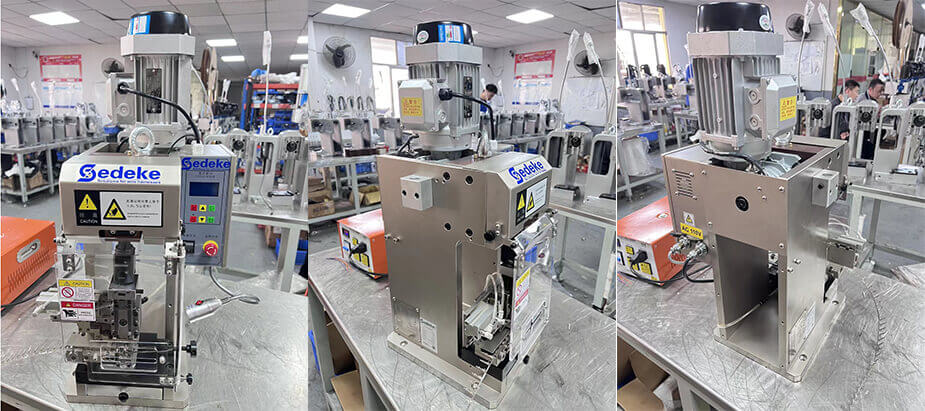
Yes, one terminal crimping machine can process different terminals when the press force, stroke, shut height and Applicator interface suit each setup. Every terminal still needs the correct crimper, anvil, feed arrangement and target crimp height. An overlapping wire range does not prove compatibility. Specialized connections such as FAKRA, RJ plugs, ferrules or copper bands may require a dedicated machine or tooling route.
A terminal crimping press performs the crimping operation, usually after the wire has been prepared separately. The operator presents the stripped wire while the Applicator feeds and forms the terminal. An automatic stripping and crimping machine combines wire stripping with terminal insertion and crimping, and some systems also cut wire to length. The right category depends on whether the production line needs an independent crimping station or an integrated process.
Yes. A pull test confirms mechanical retention, but it does not reveal every internal or dimensional defect. A crimp may hold the required initial load while still having excessive compression, damaged strands, incorrect conductor position or poor barrel formation. Crimp height checks and cross-section analysis examine conditions that pull force alone cannot show, so the approved inspection method should match the terminal specification and finished connection requirement.
Terminal jams usually come from a mismatch or change in the feeding path. Common causes include an incorrect terminal pitch setting, the wrong feed direction, a deformed carrier strip, loose tooling, debris around the track, or worn feed components. Continuing to cycle the press can damage the terminal or crimper. The terminal strip, feed finger, track position and Applicator alignment should be checked before production resumes.
Crimpers and anvils should be replaced when wear begins to change the formed terminal, not at one universal interval. Warning signs include burrs, asymmetrical crimps, terminal marking, unstable crimp height, falling pull force or frequent readjustment. Tool life varies with terminal material, plating, press setup, lubrication and production volume. Sedeke Applicator formats with replaceable crimpers and anvils allow worn forming parts to be renewed without replacing the complete Applicator body.